













Register

Something Old, Something New

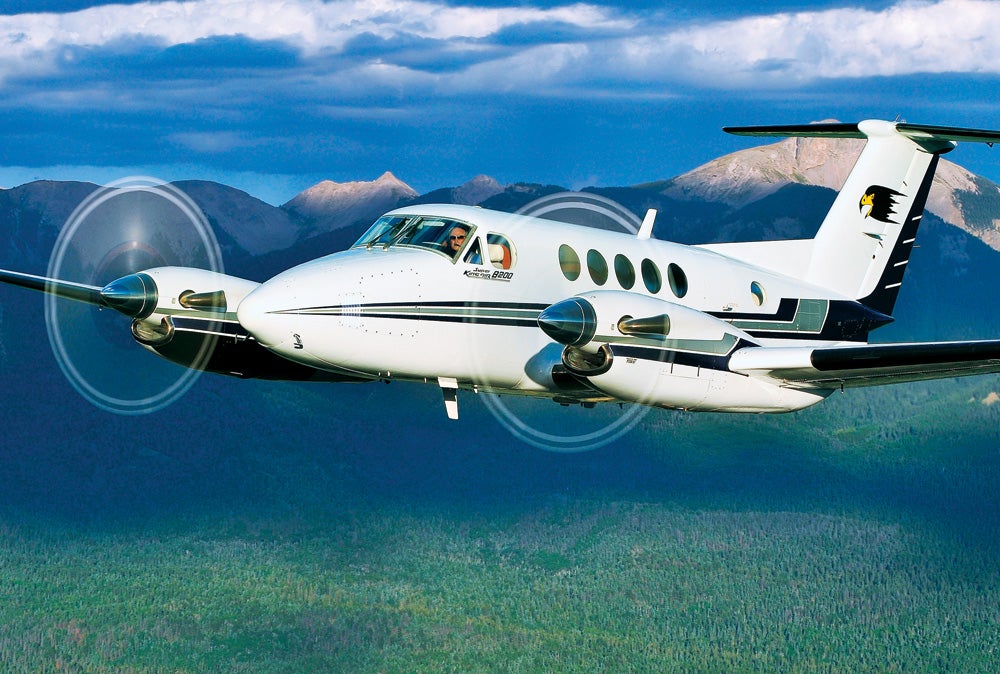
B200 King Air Scott Slocum
Gemini Sparkle

Key Takeaways:

  • Aircraft engine conversions, performed by both original manufacturers and aftermarket shops, upgrade older planes with more powerful, efficient engines via FAA-approved Supplemental Type Certificates (STCs).
  • These conversions offer significant operational benefits including increased horsepower, improved fuel efficiency, better performance, and reduced maintenance costs, often presenting a cost-effective alternative to buying new aircraft.
  • The market for conversions is driven by owners seeking enhanced capabilities, solutions for problematic engines, or specialized performance niches, though the added resale value of such modifications can vary by market and usage.
See a mistake? Contact us.

In 1991, Bobby Bishop and his father were operating a skydiving operation out of Celina, Texas. They had a Cessna 182, a Pilatus PC-6 Porter, a DC-3 and a de Havilland Caribou. But they wanted something in between the Porter and the DC-3/Caribou size aircraft. A de Havilland Twin Otter didn’t seem cost-effective, and the single-engine Otter — even one with a 750 shaft-horsepower (shp) conversion — didn’t have quite the power they wanted.

“We said, ‘What we really need is an Otter with a 1,000 hp engine,'” Bishop remembers.

Ready to Sell Your Aircraft?

List your airplane on AircraftForSale.com and reach qualified buyers.

List Your Aircraft
AircraftForSale Logo | FLYING Logo
Pilot in aircraft
Sign-up for newsletters & special offers!

Get the latest stories & special offers delivered directly to your inbox.

SUBSCRIBE
