Flying an airplane involves multiple concepts from physics: Bernoullis principle, centrifugal force, Newtons law of gravity, to name a few. Theres one more natural law, though, that isnt in the science textbooks: the faster youre trying to get somewhere, the more likely youre going to get unexpectedly delayed.
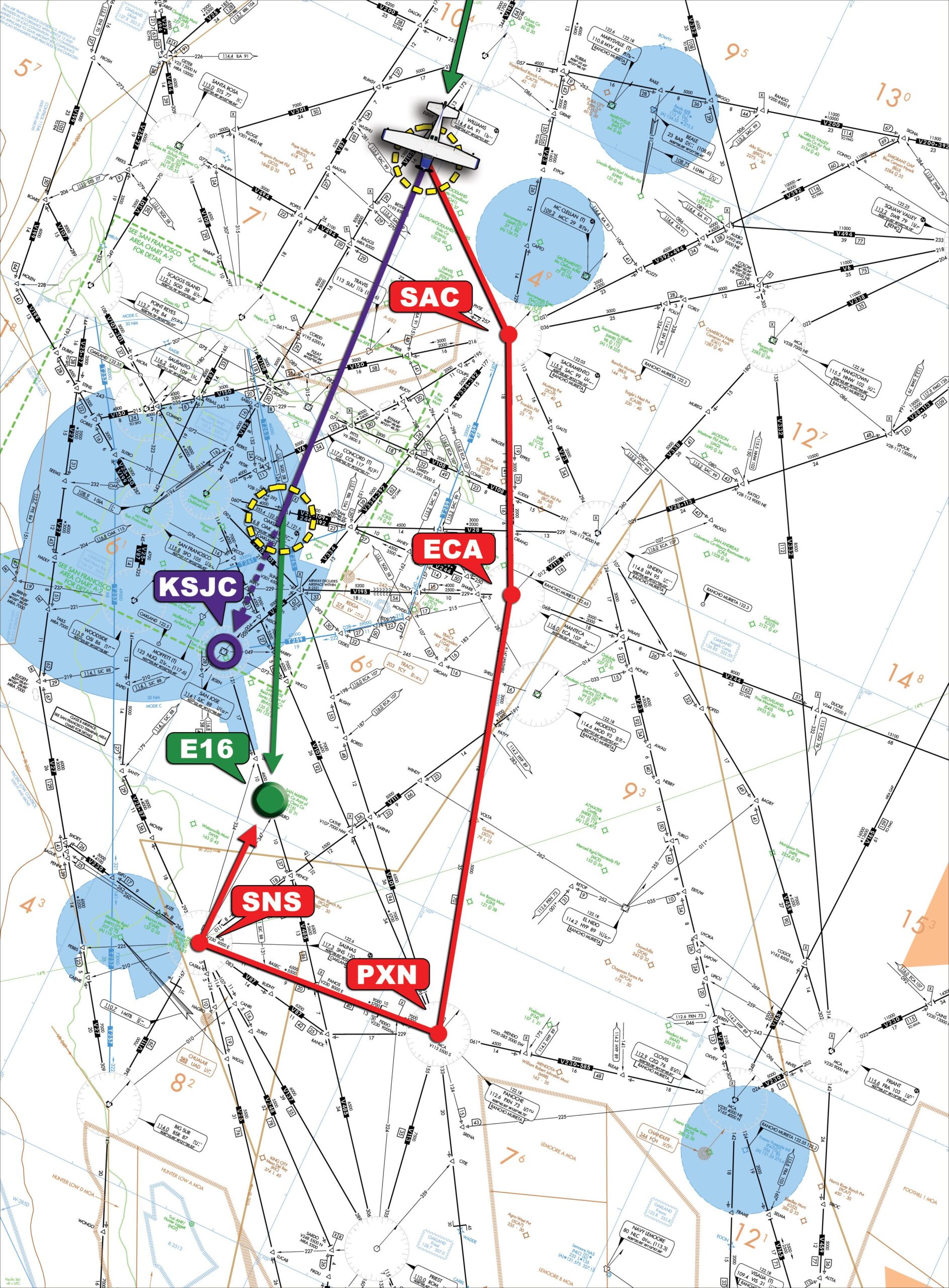
Pilots can circumvent lengthy ATC reroutes by using a "bait and switch" tactic: temporarily changing their destination to gain direct access to desired airspace, then switching back to the original destination.
Executing this strategy successfully requires good judgment regarding timing, and pilots can offer compromises such as canceling IFR for VFR flight following to ease ATC workload when conditions permit.
When a primary ATC controller is too busy to issue an IFR clearance, pilots may contact an adjacent controller who can facilitate a "point out" with the busy controller to obtain the clearance.
Flying an airplane involves multiple concepts from physics: Bernoulli’s principle, centrifugal force, Newton’s law of gravity, to name a few. There’s one more natural law, though, that isn’t in the science textbooks: the faster you’re trying to get somewhere, the more likely you’re going to get unexpectedly delayed.
CREATE A FREE ACCOUNT
Sign up to keep reading
Create a free account to continue. Already a member? Sign in below.