
The aerospace industry is rapidly approaching a technological revolution. Developers are designing, building, and flying electric vertical takeoff and landing (eVTOL) aircraft with the intent of reducing cost and noise as compared to traditional helicopters.
The Top Four Issues Facing the Future of eVTOLs

Key Takeaways:
- The eVTOL industry is rapidly advancing to revolutionize air travel by reducing costs and noise, but faces multiple significant challenges before commercial service can begin.
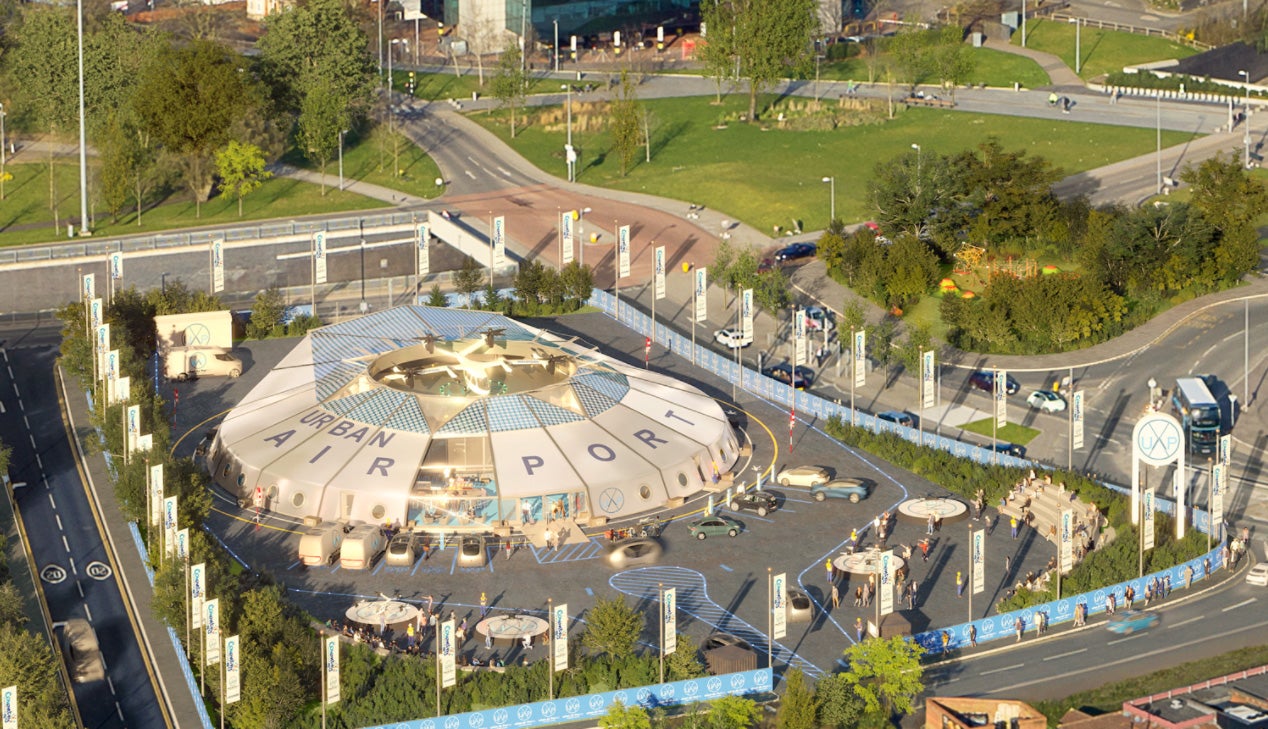
- Key obstacles include developing essential infrastructure like "vertiports" equipped with charging stations and continuing to evolve sustainable and potentially autonomous flight technologies.
- Regulatory bodies lack specific certification standards for eVTOLs, as these aircraft don't fit existing classifications, creating a major hurdle for safety and operational approval.
- Public acceptance is crucial and depends on addressing concerns about safety, mitigating noise pollution in urban environments, and overcoming "not in my backyard" sentiments from communities.
Key takeaways sponsored by Aviator Pro | Start Your Training ->
See a mistake? Contact us.