











Everybody talks about crosswind practice, but few pilots do anything about it. Crosswinds are the number one factor in weather-related accidents, and even far more in-motion aviation insurance claims. The answer to handling crosswinds is usually to…practice crosswinds. Theres no question that practice makes one (at least closer to) perfect. And, as is the case with most other maneuvers we attempt when flying 288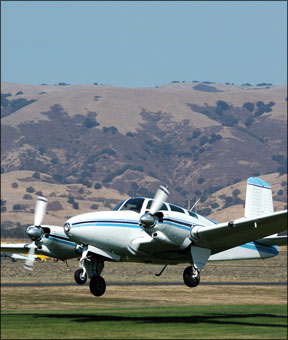
Five Exercises For Better Crosswind Landings
Everybody talks about crosswind practice, but few pilots do anything about it. Crosswinds are the number one factor in weather-related accidents, and even far more in-motion aviation insurance claims. The answer to handling crosswinds is usually to...practice crosswinds. Theres no question that practice makes one (at least closer to) perfect. And, as is the case with most other maneuvers we attempt when flying aircraft, landing in crosswinds requires the artful combination of a number of individual skills. As with so many elements of learning to fly and maintaining proficiency, there are several of ways to develop and improve your crosswind skills. You dont necessarily have to practice them in an actual crosswind, but you do need to be ready to combine them on the day when things are strong and gusty, and not aligned with the runway. Here are five exercises you and your CFI can use to develop better crosswind landing skills.

Key Takeaways:
- Crosswinds are the leading cause of weather-related aviation accidents and insurance claims, emphasizing the critical need for pilots to practice effective crosswind techniques.
- Pilots can significantly enhance their crosswind landing proficiency by focusing on specific, foundational exercises that build individual control skills, rather than solely practicing in actual strong crosswind conditions.
- Key recommended exercises include mastering minimum controllable airspeed, performing Dutch rolls for coordination, practicing both slip and crab landing methods, understanding adverse-yaw steering, and undertaking advanced one-wheel touch-and-goes.
Key takeaways sponsored by Aviator Pro | Start Your Training ->
See a mistake? Contact us.

