













Register

First Come, First Served

Gemini Sparkle

Key Takeaways:

  • ATC aircraft prioritization, while often perceived as first-come, first-served (FCFS), is heavily influenced and frequently overridden by numerous operational factors and regulatory priorities.
  • Key priorities include aircraft in distress, Medevac flights, ground delay programs (EDCTs), IFR vs. VFR status, aircraft type and speed, weather, and overall air traffic flow, all guided by FAA regulations (7110.65, section 2-1-4).
  • Air traffic controllers continuously evaluate these complex variables to ensure the safest and most efficient movement of all aircraft, making decisions based on a "big picture" that pilots may not perceive.
See a mistake? Contact us.

Most pilots have heard at some point that ATC separates aircraft on a first come, first served (FCFS) basis, but have experienced the opposite. Many of us pay for our aircraft by the hour, so it’s understandable to get impatient when you’re first up and Tower tells you there will be others ahead of you. Nearly every day when I’m working Tower I’ll hear, “Uhhh, Tower, N12345 is still ready for departure,” (when passed up) or even a quick, “Tower, N12345 was first…” It’s not the pilot’s fault.

Operational Priority

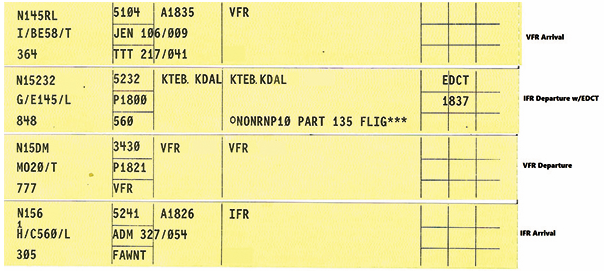
Determining who gets to do what and when, while largely driven by FCFS also must be decided with the big picture in mind. The main reasons are actually lined out in the 7110.65, section 2-1-4 “Operational Priority.” As controllers, this is the very foundation on how we start to prioritize the mentality of FCFS. Some of the many factors that might “adjust” a pure FCFS schedule include: aircraft type or status (Medevac?), IFR or VFR, route, weather, flow, workload, etc.


Ready to Sell Your Aircraft?

List your airplane on AircraftForSale.com and reach qualified buyers.

List Your Aircraft
AircraftForSale Logo | FLYING Logo
Pilot in aircraft
Sign-up for newsletters & special offers!

Get the latest stories & special offers delivered directly to your inbox.

SUBSCRIBE