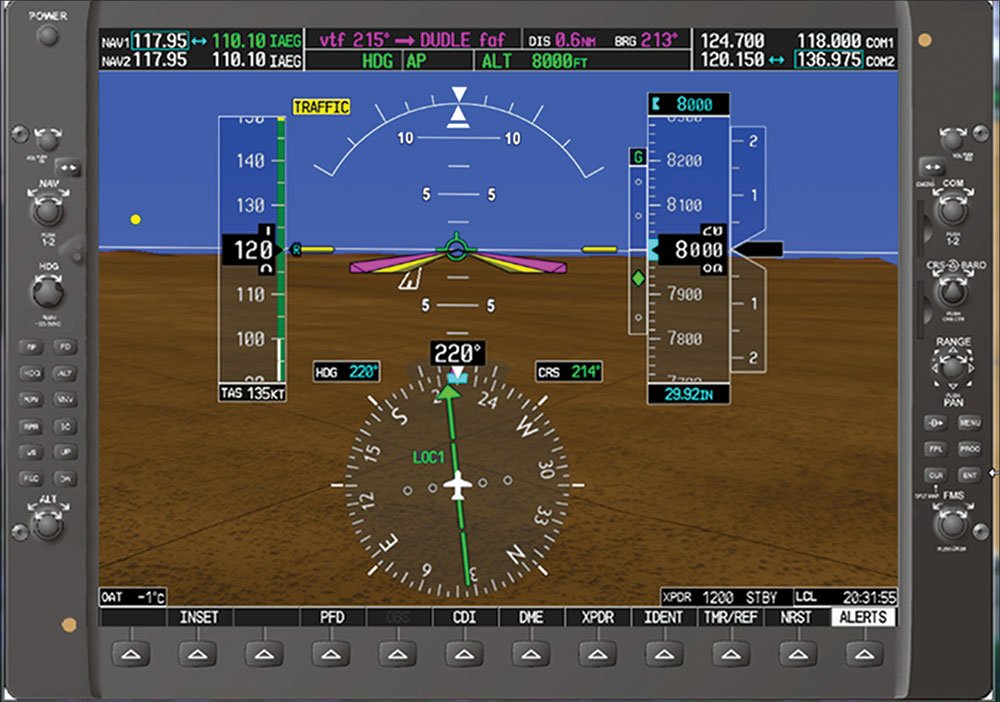
My instrument instructor was a glass half-full kind of guy. His response to my first ILS was, Well, at least there is room for improvement. An ILS became the one approach I most dreaded. But now that Ive got a bunch of em under my belt, its actually the approach I prefer. Howd I get there? Im glad you asked.
Mastering ILS approaches requires frequent practice, including flying them in visual conditions to better understand aircraft responses to environmental factors and instabilities.
Effective glideslope correction involves coordinated and often anticipatory adjustments of both pitch (elevator) and power, with initial corrections being greater than subsequent stabilization adjustments.
Pilots must understand and account for the effects of changing headwinds (e.g., decreasing closer to the ground) on groundspeed and descent rate, adjusting power accordingly to maintain the desired glidepath.
My instrument instructor was a glass half-full kind of guy. His response to my first ILS was, “Well, at least there is room for improvement.” An ILS became the one approach I most dreaded. But now that I’ve got a bunch of ‘em under my belt, it’s actually the approach I prefer. How’d I get there? I’m glad you asked.
CREATE A FREE ACCOUNT
Sign up to keep reading
Create a free account to continue. Already a member? Sign in below.