










Register

Fibbing on Frequency

Like flying itself, air traffic control is complex at first glance, but below the surface its driven by basic principles. One ATC cornerstone is the need for timely, accurate information. As an air traffic controller, when I ask a question or issue an instruction to a pilot, the ol trust but verify adage kicks in-but only to a point. I can see a lot from the tower or on my radar scope, but I cant look over each pilots shoulder. Are they being straightforward with me and following normal procedures? I want to believe they are. Its their safety and mission on the line, after all.

Gemini Sparkle

Key Takeaways:

  • Pilots must provide timely and accurate information to Air Traffic Control (ATC) as controllers rely on this honesty for safe and orderly operations.
  • Even seemingly minor inaccuracies or "white lies" can lead to significant safety risks, operational complications, and delays for all aircraft.
  • Pilots are solely responsible for honestly assessing and communicating their true capabilities, such as IFR qualification and aircraft equipment compliance, as ATC cannot verify these details.
  • Transparency and honesty, even in challenging situations like declaring an emergency, enable ATC to effectively assist and maintain overall safety.
See a mistake? Contact us.

Like flying itself, air traffic control is complex at first glance, but below the surface it’s driven by basic principles. One ATC cornerstone is the need for timely, accurate information.

Ready to Sell Your Aircraft?

List your airplane on AircraftForSale.com and reach qualified buyers.

List Your Aircraft
AircraftForSale Logo | FLYING Logo
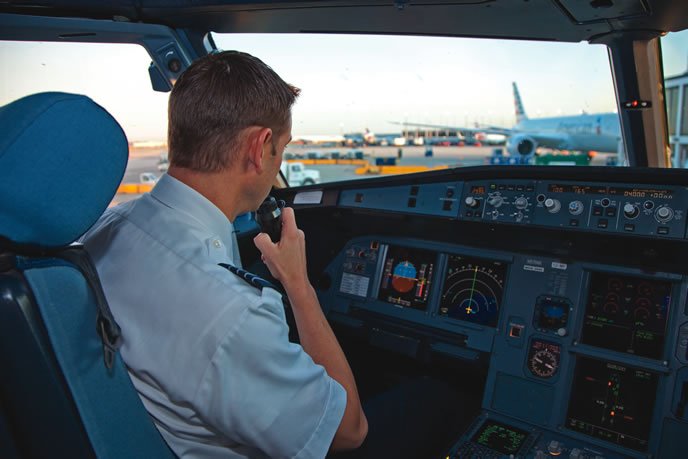
Pilot in aircraft
Sign-up for newsletters & special offers!

Get the latest stories & special offers delivered directly to your inbox.

SUBSCRIBE


