











One of the things the FAA has done right in recent years involves charting. First, instead of standing by while the National Oceanic and Atmospheric Administration office responsible for aeronautical charts shut down its printing presses, the FAA established a new office to handle the work and took on the responsibility. Second, as electronic distribution became the norm, not the exception, the FAA made many of its products-including the all-important instrument approach procedure charts-available free of charge. The agency still has a long way to go (see the sidebar on page 10), but were all familiar with how it could be doing much, much worse. 288
Electronic Charting
One of the things the FAA has done right in recent years involves charting. First, instead of standing by while the National Oceanic and Atmospheric Administration office responsible for aeronautical charts shut down its printing presses, the FAA established a new office to handle the work and took on the responsibility. Second, as electronic distribution became the norm, not the exception, the FAA made many of its products-including the all-important instrument approach procedure charts-available free of charge. The agency still has a long way to go (see the sidebar on page 10), but were all familiar with how it could be doing much, much worse. Of course, if youre flying one of the new-generation glass panels with built-in electronic charting, all this may seem like old news. And, depending on what youre flying and how, you may not have a requirement for en route charts or terminal procedures in your cockpit. Its likely you still need some kind of paper references, even if your glass panel is the latest and greatest, and even if all its costly databases are kept current. The rest of us are on the look for a simple, cost-effective solution allowing IAPs and en route charts to be displayed electronically. Sectionals, too, perhaps. The degree to which any or all of this is possible depends on how much money youre willing to throw at the problem, and with how many downsides youre willing to deal. Lets take a look why.

Key Takeaways:
- The FAA has taken positive steps in aeronautical charting by taking over production and making many electronic products, particularly instrument approach procedures, available for free.
- Commercial electronic charting solutions, both panel-mounted and portable, offer integrated features like geo-referencing but come with significant purchase and update costs.
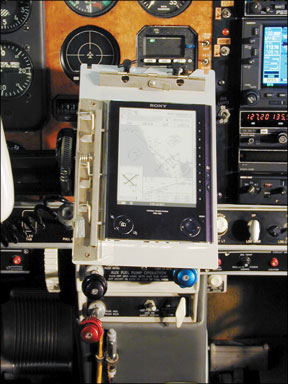
- Consumer devices like tablets and e-readers can serve as more affordable electronic charting options, but often have drawbacks such as inadequate screen size, lack of geo-referencing, limited processing for complex charts, and performance issues at altitude.
- While modern glass cockpits integrate electronic charting effectively, many pilots still find that paper charts or a hybrid approach of electronic and paper charts remain necessary, especially for en route and sectional charts, due to the cost and limitations of current portable electronic solutions.
Key takeaways sponsored by Aviator Pro | Start Your Training ->
See a mistake? Contact us.

