Register

Down to the Driggs

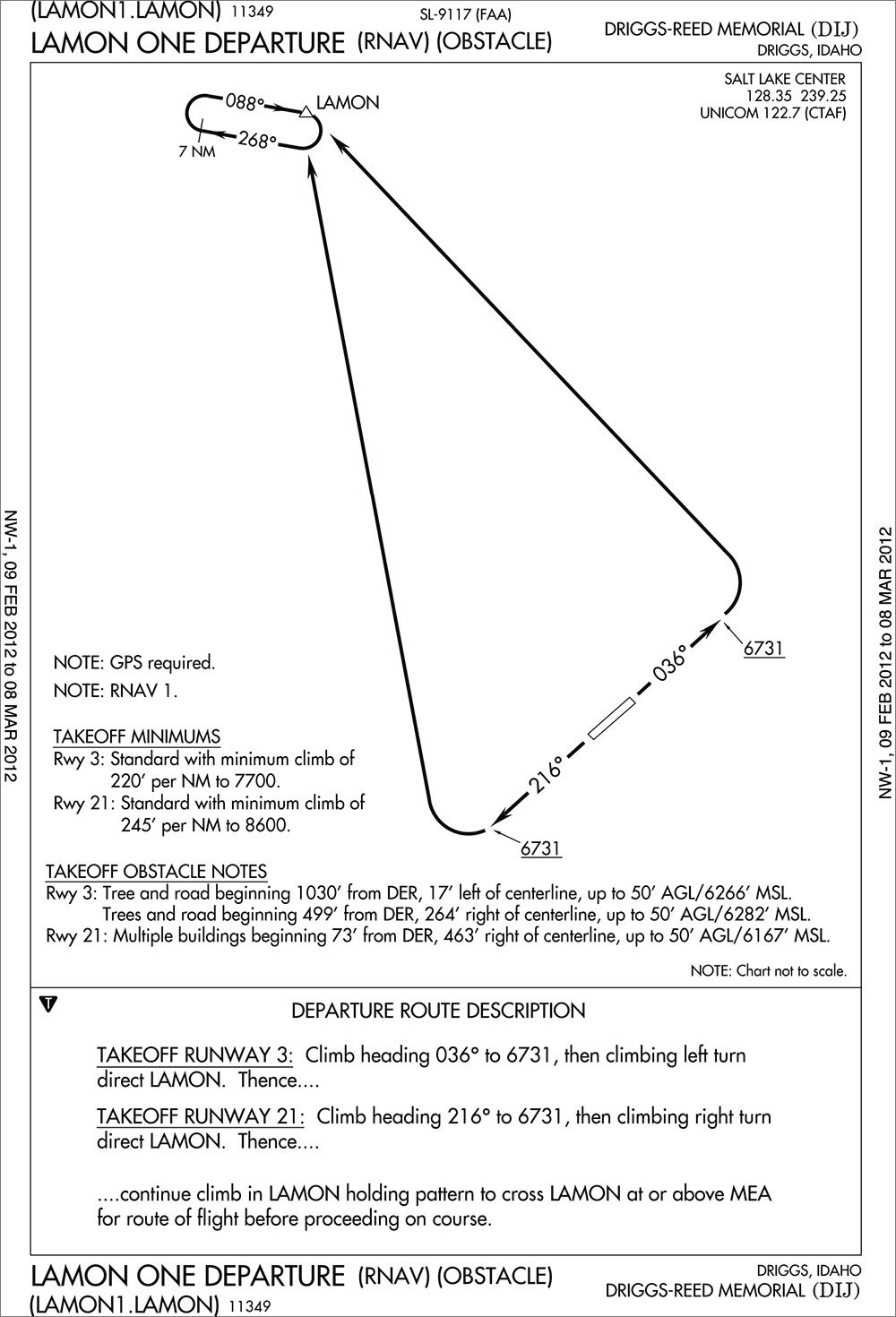
On a fine spring day, you trundled off to Driggs, Idaho, to meet your buddy and sneak off to the best-kept-secret fishing spot in the west Tetons. Your buddy made a killing because he was an Apple geek in the '80s and bought no stock but theirs. He chartered a plane to Driggs. You invested heavily in the DeLorean Motor Company-and arrived in your dads old 172H.

Gemini Sparkle

Key Takeaways:

  • Under Part 91, pilots are not legally obligated to fly published IFR departure procedures, meaning a pilot could theoretically depart even if unequipped for an RNAV procedure.
  • However, choosing not to fly a published procedure, especially in mountainous terrain, places the full responsibility for obstacle clearance on the pilot and is extremely risky.
  • Using an unapproved portable GPS for IFR navigation, while potentially safer than dead reckoning, is illegal under current FAA rules and can lead to severe consequences if an incident occurs.
  • Unlike Part 91, commercial operators (Part 135) are legally bound to follow published IFR departure procedures, even if their aircraft has the performance to clear obstacles independently.
See a mistake? Contact us.

Every airport with an instrument approach must have some blessed IFR departure. But that doesn’t mean you can fly it, and the problem might not be climb rate.


Ready to Sell Your Aircraft?

List your airplane on AircraftForSale.com and reach qualified buyers.

List Your Aircraft
AircraftForSale Logo | FLYING Logo
Pilot in aircraft
Sign-up for newsletters & special offers!

Get the latest stories & special offers delivered directly to your inbox.

SUBSCRIBE