













Register

Crosswind Authority

If you’re having trouble with crosswinds, you may not be using enough of your airplane’s control authority.

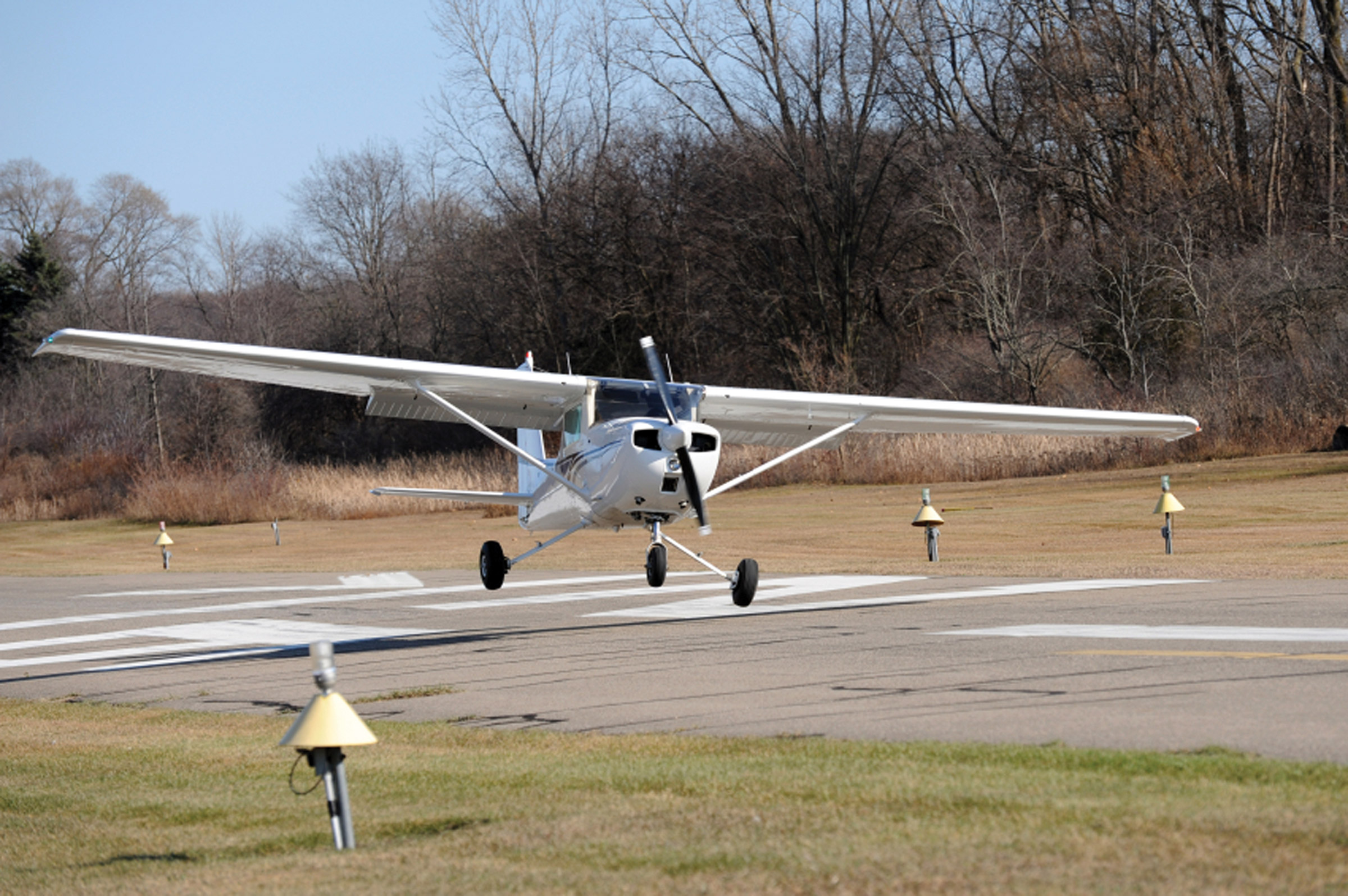
The crosswind technique pictured above is actually pretty good. We can’t know the wind’s velocity, but the pilot has a healthy bit of left aileron cranked in with what appears to be enough right rudder to keep things rolling straight at touchdown. And that’s what we should be trying to achieve. My problem had been not using all the control authority I had. I had established a bank into the wind, and aligned the flightpath with the rudder. But I was still all over the place, unstabilized. Curing this turned out to be as simple as sitting up straight, ensuring my legs could leverage full rudder travel, and then using it to manage the healthy aileron input I needed. Voilà!
Gemini Sparkle

Key Takeaways:

  • The author experienced a decline in crosswind landing proficiency due to a period of piloting downtime and challenging weather conditions, leading to frustration despite prior experience.
  • Effective crosswind landing technique involves a transition from crabbing into the wind at altitude to a sideslip close to the runway, utilizing coordinated aileron (banking into the wind) and opposite rudder to maintain alignment.
  • The author's breakthrough came from realizing he was not applying enough control input, particularly rudder, to counter the forces of stiff, gusty crosswinds on his home airport's challenging runway.
  • The key takeaway is to respect crosswinds and confidently use the full range of available control authority, especially rudder, to execute controlled and smooth landings.
See a mistake? Contact us.

Between several weeks of downtime at the avionics shop and a bunch of personal distractions, my piloting skills had accumulated a layer of rust by the end of 2023. By then, what I and a few million of my closest friends had hoped would be a dry and benign Florida winter turned soggy, overcast and windy. It was okay weather if you wanted to climb to altitude and go somewhere—especially somewhere downwind with better weather—but the kind of flying I needed wasn’t the straight-and-level-in-cruise kind. Instead, I drastically needed some basic pattern work, along with a few more approaches, all of which, of course, is done down low. It took a while for the weather gods and my schedule to agree, but I finally managed to remove some of the rust I’d accumulated.

I didn’t really have any problems flying the airplane; I just wasn’t as elegant as I wanted to be. My landings, normally featuring relatively smooth tire chirps, now more closely resembled standing a one-inch-thick steel plate on edge and letting it drop onto a concrete driveway. The problem was especially acute if there was a crosswind, which there seemingly was for weeks, and if it was gusty, which it also was for weeks. It took me a few tries, but I finally cracked the code that was keeping me from executing the landing technique I had come to expect (which shouldn’t be confused with a “good” technique).


Ready to Sell Your Aircraft?

List your airplane on AircraftForSale.com and reach qualified buyers.

List Your Aircraft
AircraftForSale Logo | FLYING Logo
Pilot in aircraft
Sign-up for newsletters & special offers!

Get the latest stories & special offers delivered directly to your inbox.

SUBSCRIBE