Gyroscopes are an essential component of any instrument rig used for attitude, heading, turning, and navigation. Technological inventions created gyroscopes that work using a variety of theories. Each type of gyro is best suited for particular situations based on the type of information needed and the effect of drift. Three types of gyros are common in aviation. …
Gyroscopes are critical for aircraft navigation and attitude, with various types designed for specific applications and performance characteristics.
Mechanical gyros operate on the principle of rigidity in space, using a spinning mass to maintain a fixed orientation as the aircraft moves around them.
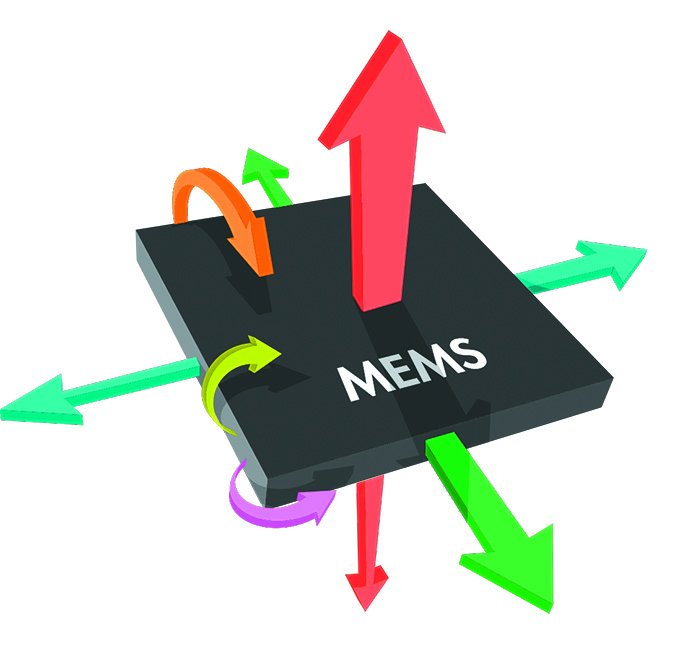
MEMS (Micro-Electro-Mechanical Systems) gyros detect angular acceleration by converting Coriolis forces acting on a vibrating plate into electrical signals.
Laser gyros (including RLG and FOG) measure rotation using the Sagnac effect, detecting light wave phase shifts to provide highly accurate and stable data for inertial navigation systems.
Gyroscopes are an essential component of any instrument rig used for attitude, heading, turning, and navigation. Technological inventions created gyroscopes that work using a variety of theories. Each type of gyro is best suited for particular situations based on the type of information needed and the effect of drift. Three types of gyros are common in aviation.
CREATE A FREE ACCOUNT
Sign up to keep reading
Create a free account to continue. Already a member? Sign in below.