Its no surprise that many pilots go into hibernation during the winter. Winter flying has its own set of risks and operational challenges. Its cold. Theres the potential for frost on the wings and ice in the clouds. The winds are generally stronger. There are icy ramps and runways with poor traction. Oh, and did we mention that its cold?
While cold air improves aircraft performance, it causes pressure altimeters to indicate an altitude higher than the aircraft's true altitude, which significantly reduces obstacle protection on instrument procedures.
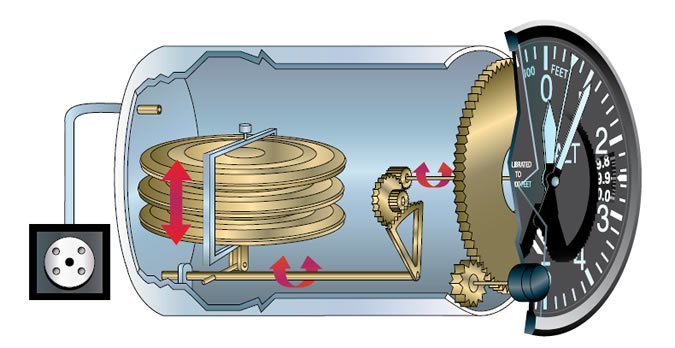
This altimeter error occurs because altimeters are calibrated for standard atmospheric temperatures, and they do not have a mechanism to correct for non-standard cold temperatures.
To address this safety concern, the FAA has made cold-temperature altitude compensation mandatory for pilots at "Cold Temperature Restricted Airports" when the reported temperature falls below a critical limit.
Pilots must calculate and apply these adjustments to published altitudes on intermediate, final, and missed approach segments, reporting corrected altitudes to ATC for certain phases of flight.
It’s no surprise that many pilots go into hibernation during the winter. Winter flying has its own set of risks and operational challenges. It’s cold. There’s the potential for frost on the wings and ice in the clouds. The winds are generally stronger. There are icy ramps and runways with poor traction. Oh, and did we mention that it’s cold?
CREATE A FREE ACCOUNT
Sign up to keep reading
Create a free account to continue. Already a member? Sign in below.