













Register

Cleaning Up Your Comms

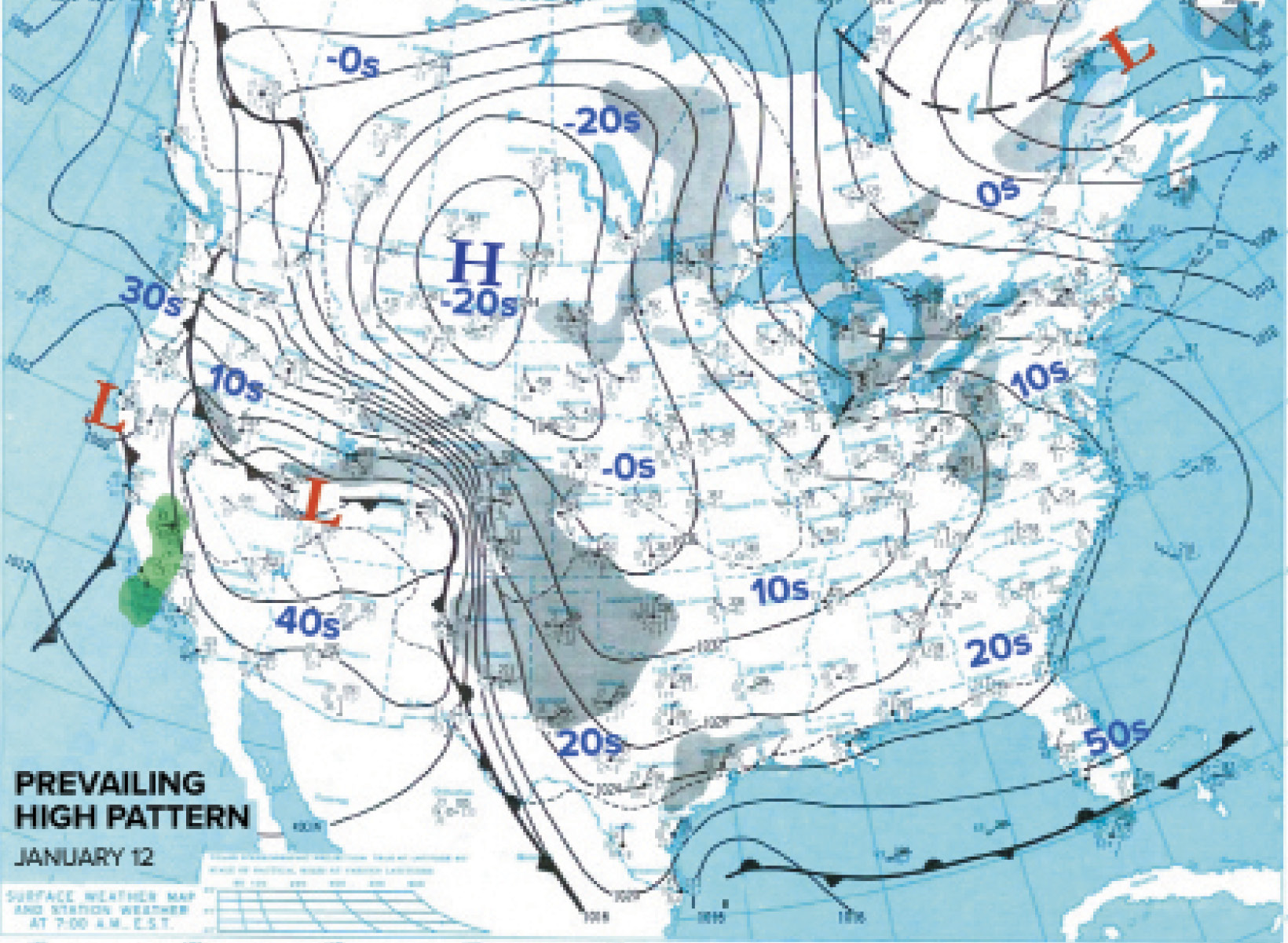
A prevailing high from Canada dominates most of the U.S. weather.
Gemini Sparkle

Key Takeaways:

  • Aviation communication is an evolving skill requiring continuous practice, exposure to diverse environments (both towered and non-towered), and mindful anticipation of calls.
  • Pilots should strive for concise, standard phraseology by using official resources like the AIM and Pilot Controller Glossary, aiming to reduce unnecessary radio clutter.
  • Effective communication prioritizes safety and clarity, urging pilots to test equipment, ask for clarification when unsure, think before speaking, and avoid in-flight arguments with ATC or other aircraft.
See a mistake? Contact us.

did my primary flight training at a slow, towered airport, where our flight school consisted of about 70% of the traffic taking off and landing. There was a commuter operation with three or four flights a day, and occasional private jet and corporate traffic. The controllers were fantastic about slowing down calls for student pilots, and the flight school regularly scheduled visits to the tower so we could see how the other side operates.

For variety, we often did pattern work at the nearby non-towered field, which truly felt pilot-controlled. There were a few additional flight schools at that airport, plus more jet traffic. The pattern frequently had six to eight aircraft in it, with a jet on a long final. I have often heard that pilots who train at towered airports are more comfortable at towered airports, and pilots who training at non-towered airports prefer non-towered airports. Luckily for me, comfort is usually the result of a healthy dose of exposure therapy. 

Ready to Sell Your Aircraft?

List your airplane on AircraftForSale.com and reach qualified buyers.

List Your Aircraft
AircraftForSale Logo | FLYING Logo
Pilot in aircraft
Sign-up for newsletters & special offers!

Get the latest stories & special offers delivered directly to your inbox.

SUBSCRIBE
