











Early in my multi-engine flight training in the Cessna 310, the instructor and I practiced the required maneuvers, including loss of an engine on takeoff, as well as an engine failure in cruise. To this day I remember Dave telling me to consider a cruise engine failure just as seriously as the one at takeoff from one simple perspective—that whatever killed the first engine might soon claim the second.
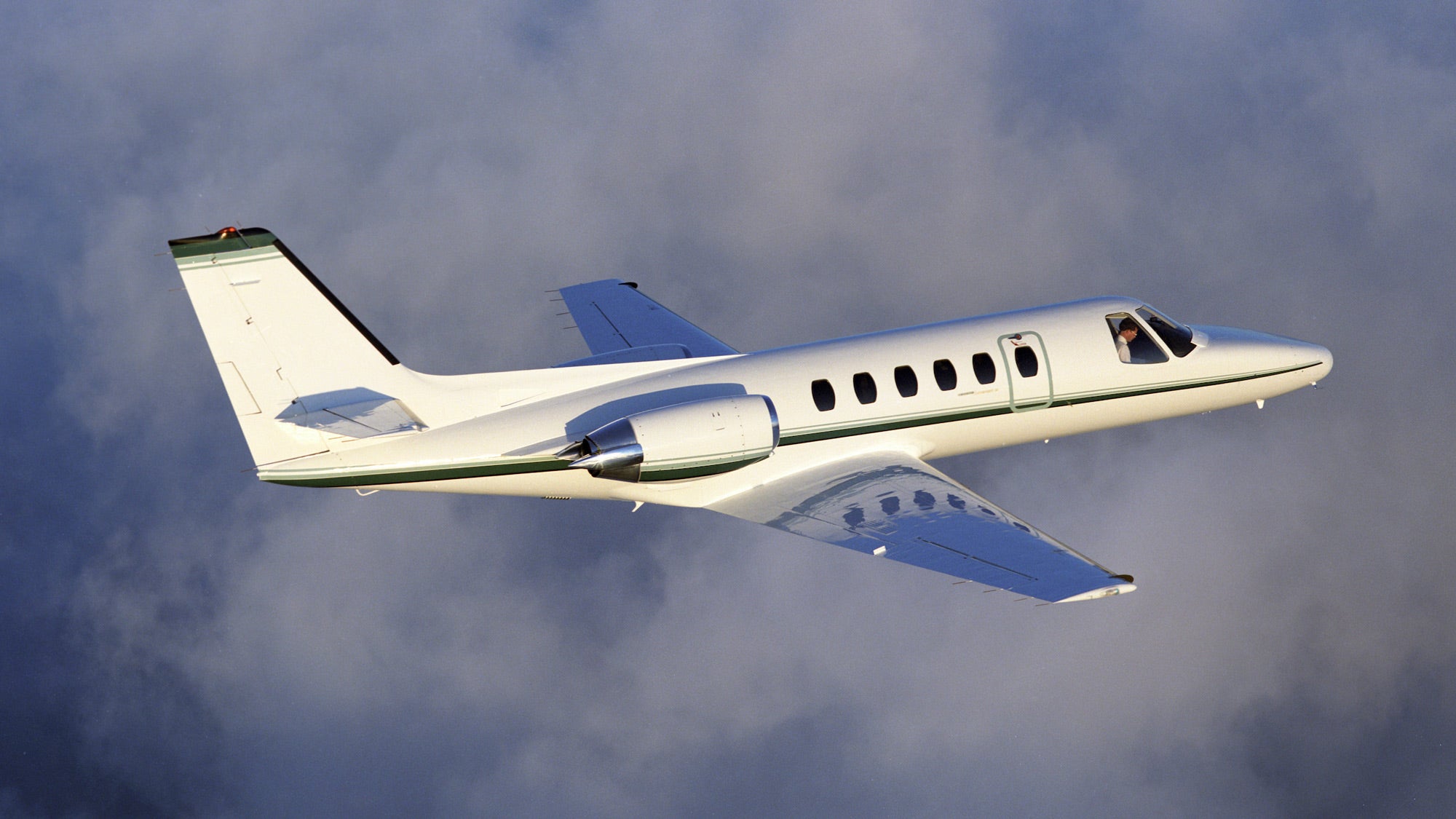
Citation 550 Crew Experiences Double Engine Failure

Key Takeaways:
- A Cessna Citation 550 air ambulance flight experienced a dual engine failure during cruise, leading to a successful emergency landing with no engine power and no injuries.
- The NTSB investigation revealed the engine failures were caused by fuel contamination with Diesel Exhaust Fluid (DEF), which a line service worker mistakenly mixed into the jet fuel tank instead of the proper fuel system icing inhibitor (FSII).
- DEF is not approved for aircraft as it forms crystalline deposits that clog fuel filters and engine components, leading to power loss, a hazard highlighted in multiple NTSB alerts and other incidents.
Key takeaways sponsored by Aviator Pro | Start Your Training ->
See a mistake? Contact us.

