













Register

Buttonology

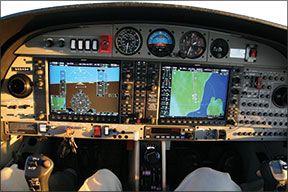
I remember my first flight as left-seater in a TAA (technically advanced aircraft). Too. Many. Buttons. And each switch, knob and button had multiple roles, depending on my stage of flight and the information I wanted to pull up or program into it. And harmony? Well, other than the integrated glass panels available on then-new Cirrii and Cessnas, those first TAAs were hybrids of systems from Avidyne, Bendix/King, Chelton, Dynon and Garmin. The logic of pulling up information or programming them was just different enough between the companies to make you cross-eyed trying to remember it all.

Gemini Sparkle

Key Takeaways:

  • Modern Technically Advanced Aircraft (TAAs) present a steep learning curve due to complex, often hybrid avionics systems, leading to underutilization by many pilots and increased workload during critical flight phases.
  • ATC-mandated changes and unexpected instructions in high-workload situations frequently cause distractions, programming errors, and loss of situational awareness, as evidenced by NASA ASRS reports, significantly increasing the risk of accidents.
  • To counter these challenges, pilots must develop and regularly practice personalized "flow" checklists for their specific aircraft systems, learn to assertively manage ATC requests, and consistently engage in hands-on ground practice to maintain proficiency and safety.
See a mistake? Contact us.

I remember my first flight as left-seater in a TAA (technically advanced aircraft). Too. Many. Buttons. And each switch, knob and button had multiple roles, depending on my stage of flight and the information I wanted to pull up or program into it. And harmony? Well, other than the integrated glass panels available on then-new Cirrii and Cessnas, those first TAAs were hybrids of systems from Avidyne, Bendix/King, Chelton, Dynon and Garmin. The logic of pulling up information or programming them was just different enough between the companies to make you cross-eyed trying to remember it all.

My first IFR student in a TAA—an aircraft equipped with an autopilot, a GPS navigator and a moving map—flew a new Cessna 182 with a first-generation Garmin 1000. What a difference, and what a challenge all on its own. Instead of pushing and pushing to get my student’s scan up to speed, we worked on decoding the vast amount of information he was being presented, and built his system knowledge, layer upon layer, as his blind-flying skills (almost a misnomer in an MFD-equipped aircraft) improved. Since this was before really good Garmin 1000 PC simulation was available, that meant pages and pages of manuals, combined with hours sitting on the ground with the aircraft plugged into ground power to get the finer points right. The good news is that’s not a bad way to learn glass panels.


Ready to Sell Your Aircraft?

List your airplane on AircraftForSale.com and reach qualified buyers.

List Your Aircraft
AircraftForSale Logo | FLYING Logo
Pilot in aircraft
Sign-up for newsletters & special offers!

Get the latest stories & special offers delivered directly to your inbox.

SUBSCRIBE