












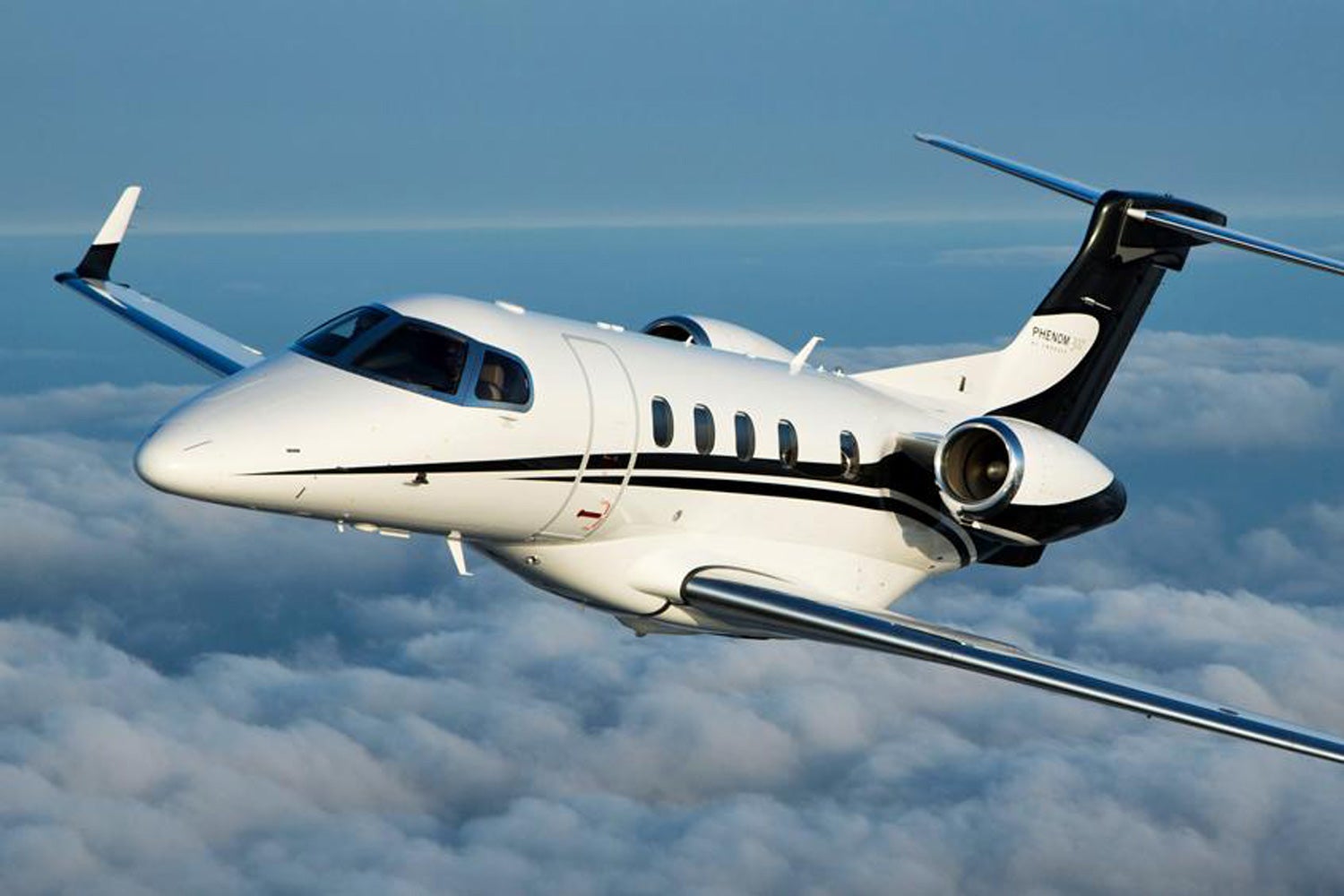


Private jet use is up for 2025 after two consecutive years of declines, prompting speculation that President Donald Trump’s constantly changing directives on tariffs may actually be boosting corporate travel even as they destabilize other parts of the economy.
A report by Bloomberg’s Brooke Sutherland suggests executives are meeting more frequently as they attempt to navigate the new trade barriers, some of which are imposed and then canceled within the same week. Huddling with directors at a corporate headquarters, scoping out new potential sites, and keeping appointments with customers and suppliers all require air travel, Sutherland pointed out.

The hypothesis fits into a broader picture of private jet utilization, which has been propped up by increasing activity in certain economic sectors, a worldwide rebound in air travel following the height of the COVID-19 pandemic, and the return of 100 percent bonus depreciation in the U.S. through the One Big Beautiful Bill Act, which Trump signed into law in July.
Most of the recent growth in private aviation has been captured by fractional operators such as NetJets, which allow individuals and companies to buy shares of an aircraft, which gives them guaranteed usage rights for a certain amount of time. This approach allows customers to limit costs and maintain anonymity, which could be valuable for celebrities, politicians, or businesspeople who want to keep a potential deal secret while it is still in the works.
Traditional corporate travel, in which companies fly airplanes they own and maintain, is still below pre-pandemic levels, according to a recent note from Jefferies Group.

At the same time, private jet orders and deliveries are rising, gradually inching back to a rate not seen since before the 2008 financial crisis.
In its recently published annual outlook, Honeywell predicted 8,500 new business jets with a projected value of $283 billion will be delivered to buyers over the next 10 years, translating to an annual average growth rate of 3 percent. The number of expected deliveries is the highest it has been since Honeywell started publishing its forecast 34 years ago.
Exception to the Rule
Business aviation marks one bright spot in an increasingly dark economic picture. While the stock market is up, hiring has weakened, consumers are spending less, and many executives and analysts have raised concerns about a potential artificial intelligence bubble in the tech sector. This is particularly worrying because much of the country’s economic growth over the last year has been driven by enthusiasm for AI and its various applications.
Trump further unsettled markets this week by appearing to reignite his trade war with China. The president has proposed 100 percent tariffs on most Chinese imports in retaliation for China tightening its control over domestically mined rare earth minerals, and for not buying enough American goods, specifically soybeans.
Trump acknowledged Friday that a 100 percent tariff on China would not be sustainable in the long term.

