













Boeing and Leonardo Partner to Modernize U.S. Army Flight School

New alliance plans to revamp rotary-wing training with AW119T helicopter and contractor-owned, contractor-operated program.

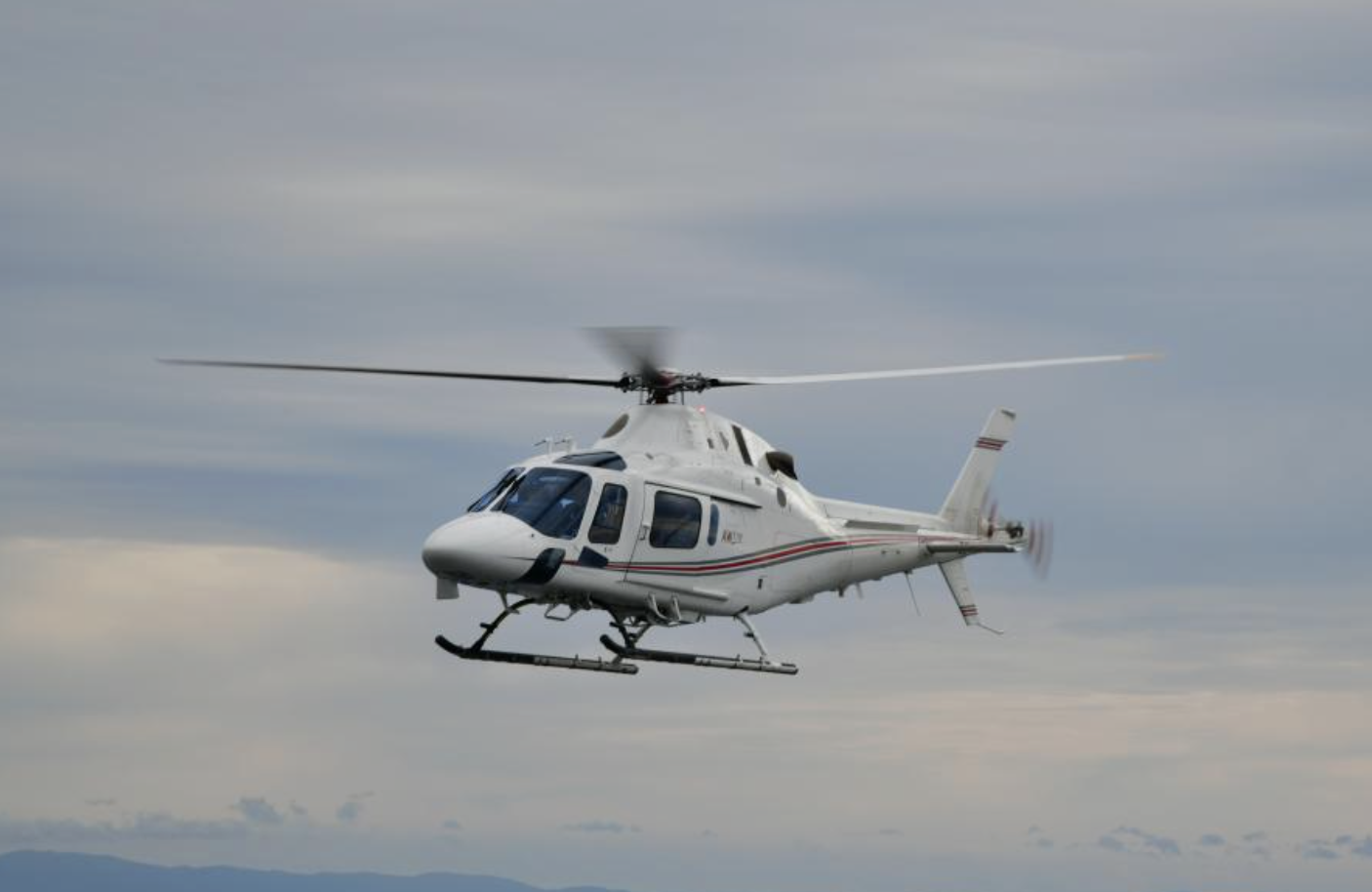
The Leonardo AW119T is the most spacious helicopter in its class and can accommodate two pilots plus up to six additional passengers. [Credit: Leonardo Helicopters]
Gemini Sparkle

Key Takeaways:

  • Boeing and Leonardo have partnered to modernize the U.S. Army's rotary-wing flight training program, aimed at revamping its flight school.
  • The collaboration will deliver a comprehensive "contractor-owned, contractor-operated (COCO)" solution, leveraging Boeing's operational expertise and Leonardo's proven AW119T single-engine trainer helicopter.
  • Their offering includes a full turnkey training system comprising aircraft, maintenance, instructors, advanced simulators, and a validated curriculum to enhance aviator proficiency and operational efficiencies.
See a mistake? Contact us.

Boeing and Leonardo, the Italian helicopter manufacturer, are joining forces to meet the needs of the U.S. Army’s flight school.

According to a media release from Boeing, the partnership will help the Army revamp its rotary-wing training by combining the global aerospace giant’s operational expertise with Army rotary-wing training and program delivery with Leonardo Helicopters’ AW119T to offer a more modern option for the next generation of military aviators.

Boeing, a top U.S. exporter, has customers around the world, which includes significant Army training experience. That encompasses training services and mission systems support for the AH‑64 Apache, live, virtual, and constructive simulation as well as cockpit‑procedure trainers and instructor development programs to support Apache aircrew readiness.

Boeing has also provided the CH-47 Chinook cargo helicopter to the Army.

Leonardo is an international industrial group with 60,000 employees worldwide. The company specializes in global security through the helicopters, electronics, aeronautics, cybersecurity, and space sectors.

The new partnership is part of the Army’s plan to revisit the type of aircraft used for training, which includes a shift to a contractor-owned, contractor-operated (COCO) program.

According to Boeing, the company’s history of service, combined with systems integration, simulation, and program management capabilities, positions the team to deliver a full COCO.

“We are bringing together two industry leaders to offer the Army a turnkey, innovative approach to rotary-wing training with an integrated, long-term training solution that increases aviator proficiency and operational and sustainment efficiencies and will deliver measurable value throughout the life of the program,” said John Chicoli, senior director of U.S. Army/Marines and special operations/missions for Boeing Global Services.

About the Aircraft

The AW119T is a single-engine trainer that has surpassed 100,000 flight hours, including more than 16,000 flown under IFR with more than 40,000 touchdown autorotations. Leonardo officials note it is a proven aircraft, as it is currently operated by the U.S. Navy near Fort Rucker, Alabama.

“The AW119T is a proven platform that already supports U.S. military training every day,” said Clyde Woltman, CEO of Leonardo Helicopters U.S. “With more than 100,000 flight hours accumulated and a sustainment network in place in Florida, Leonardo and Boeing are uniquely positioned to deliver immediate capability and long-term value to the Army through Flight School Next [program].”

Next Step

Boeing and Leonardo are creating a plan to provide a multifaceted program with increased flight training hours that will enhance skill and pilot proficiency over the life of the contract using the AW119T.

Key elements will include:

  • A full turnkey training system that includes airframes, parts, maintenance, instructors, simulators, and validated curriculum.
  • Enhanced instruction that will support a proficiency‑based, phase‑driven program blending in‑aircraft instruction, advanced simulators, virtual instructor pilot capability, and cloud‑based progress tracking to individualize learning and maximize flight hours.
  • Operational efficiencies, which include automated logistics, optimized maintenance scheduling, and adaptive training calendars to mitigate weather and daylight impacts and improve aircraft use.
  • Sustainment and production capacity, which includes an established support network, including a fully operational AW119T sustainment facility and production capacity to meet program demand.

Meg Godlewski

Meg Godlewski has been an aviation journalist for more than 24 years and a CFI for more than 20 years. If she is not flying or teaching aviation, she is writing about it. Meg is a founding member of the Pilot Proficiency Center at EAA AirVenture and excels at the application of simulation technology to flatten the learning curve. Follow Meg on Twitter @2Lewski.
Pilot in aircraft
Sign-up for newsletters & special offers!

Get the latest stories & special offers delivered directly to your inbox.

SUBSCRIBE
