



Whether you’re a student pilot on your first solo cross-country or a seasoned professional flying jets at 35,000 feet, a high-quality headset is one of the most essential pieces of gear in your flight bag.
It’s your critical link to air traffic control (ATC) and your primary defense against the fatiguing drone of the cockpit. With a market full of advanced options, choosing the right one can be a challenge.
To help pilots navigate this crowded field, FLYING has compiled details on five of the current best-selling aviation headsets on Amazon, from trusted brands like Bose, Lightspeed, and David Clark. Here’s a look at the features and prices that are making these models popular this summer throughout the aviation community.
Bose A30 Aviation Headset
Engineered for comfort during long flights, the Bose A30 Aviation Headset features a lightweight design with adjustable active noise reduction (ANR) and noise-canceling capabilities. [Read full review]
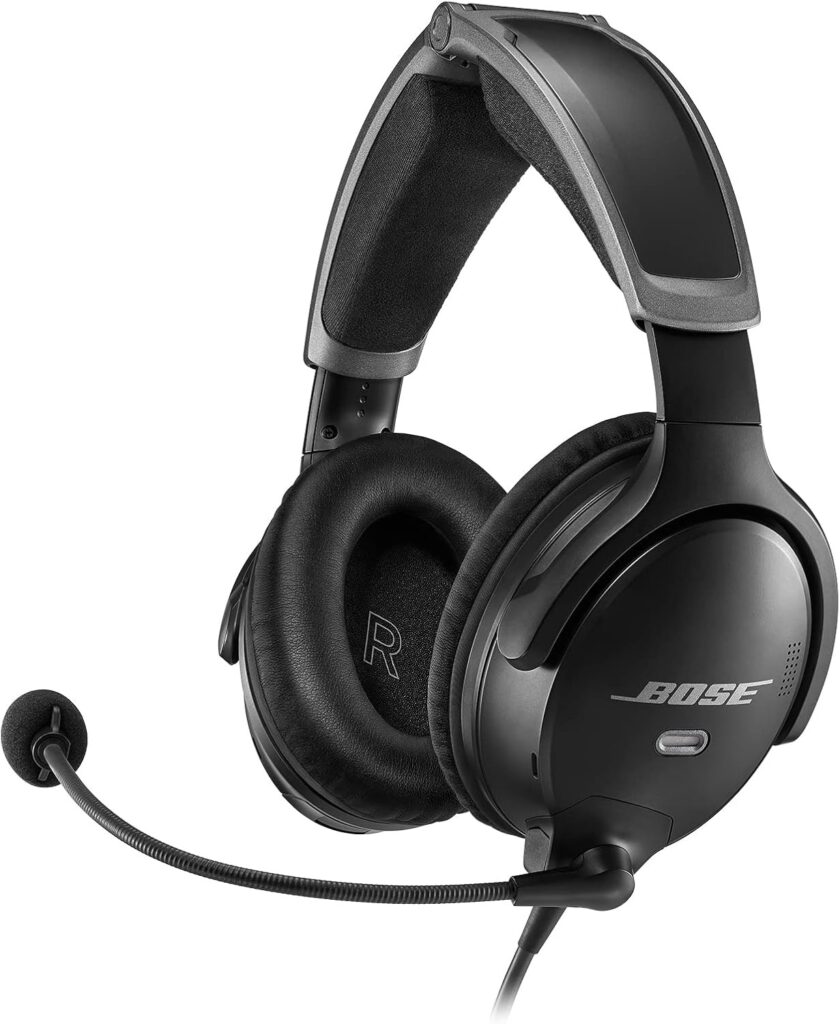
This model, priced at $1,299, includes Bluetooth connectivity and uses a dual plug configuration.
Lightspeed Delta Zulu ANR Aviation Headset
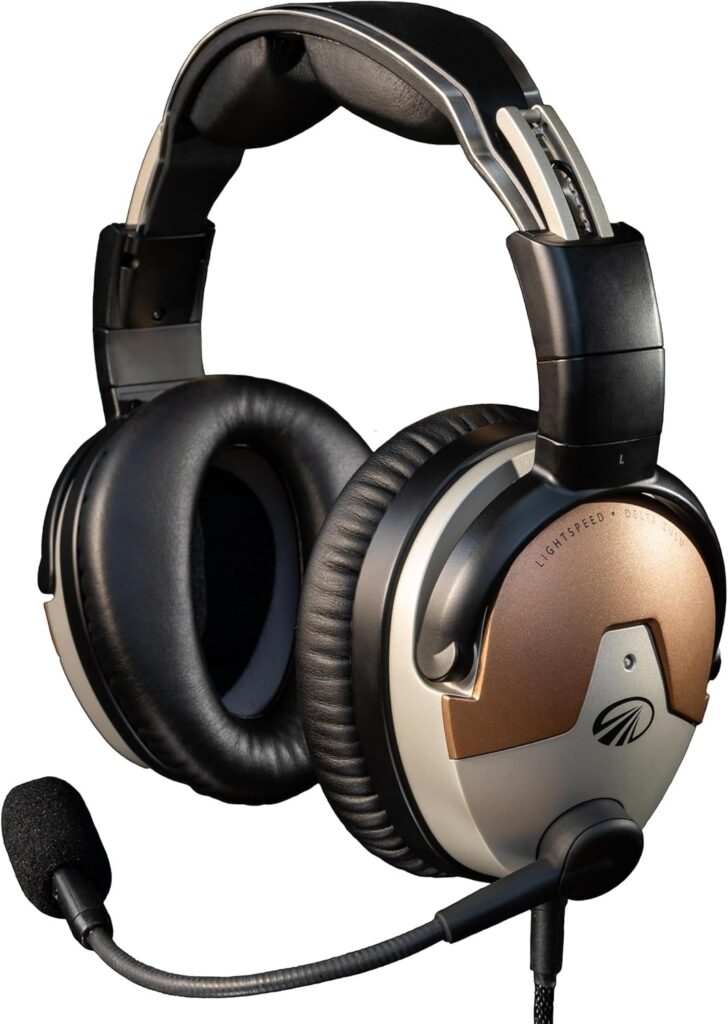
The Lightspeed Delta Zulu headset has won a lot of fans for its comfort, noise reduction, and top-notch sound quality. It rivals the popular Bose A30 but also carries an additional perk—a built-in carbon monoxide detector to keep things safe in the cockpit. [Read full review]
Lightspeed Zulu 3 Premium ANR Aviation Headset
Enjoy quiet and comfortable flights this year with the Lightspeed Zulu 3 ANR Headset. Its ANR features reduce a broad range of low frequency noise, while magnesium ear cups block out high-frequency clutter.
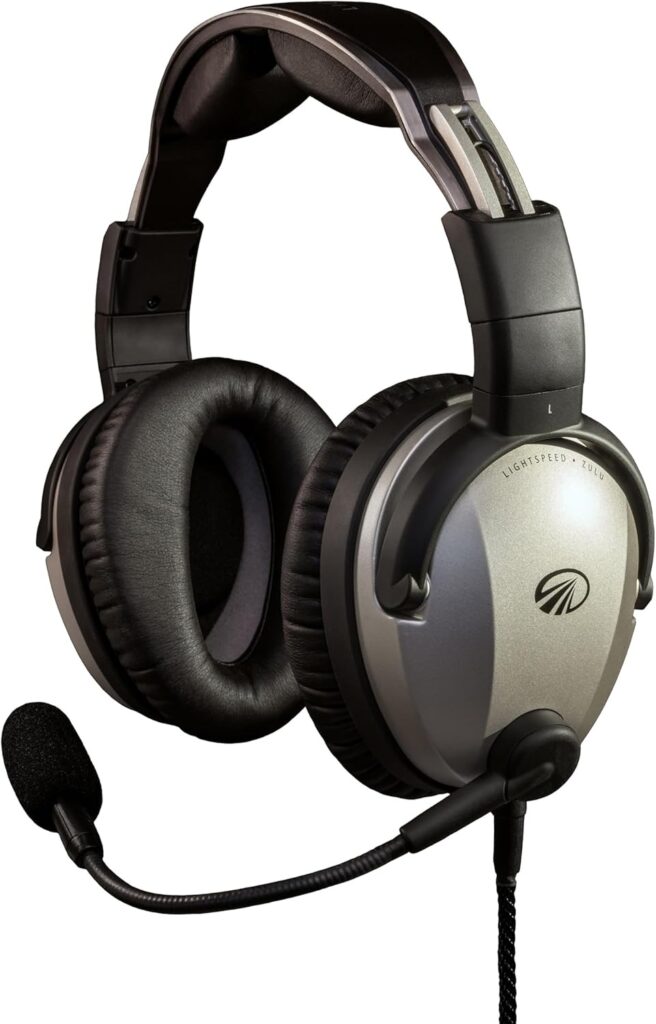
Lightweight and designed for longevity, it has patented technology to automatically lower the volume of other devices when radio or intercom transmissions come in. You can record incoming and outgoing communication with its free FlightLink app for Apple iPads and iPhones. [Read more]
Lightspeed Aviation Sierra ANR Aviation Headset
If the Zulu model is more than you wanted, treat yourself to the Lightspeed Aviation Sierra ANR headset and still find what you want. You get the clarity and stereo sound of ANR technology, with auxiliary audio input and Bluetooth connectivity to your cell phone.
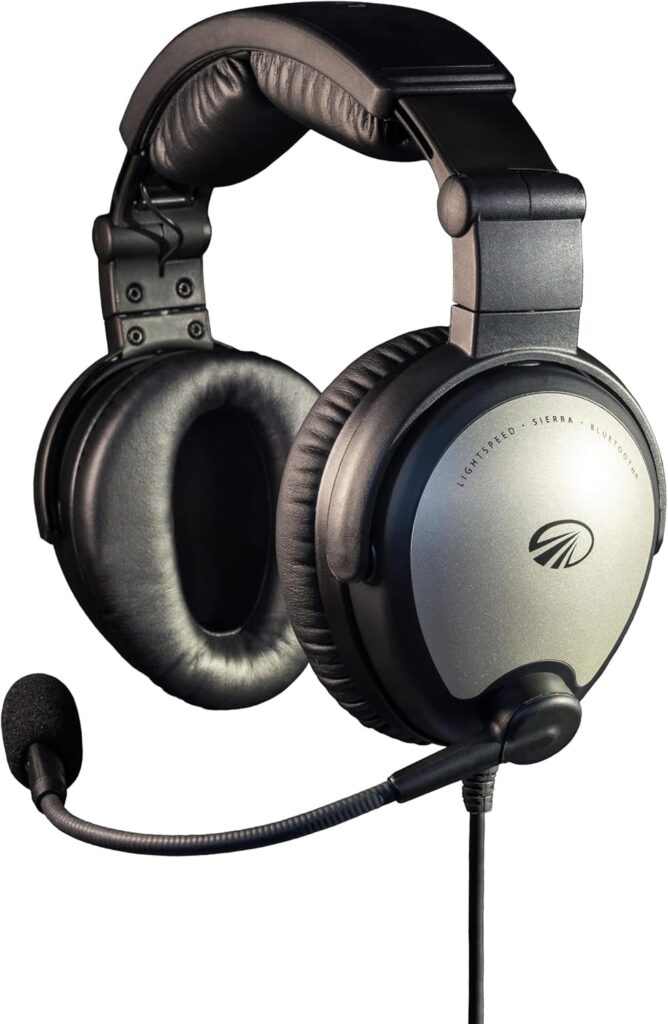
The Sierra version retains the ComPriority feature that reduces background sound (like music) by 80 percent when radio comms come in. Plush ear seals offer comfort for long hauls, and an auto shut-off feature will keep the battery from draining when it’s not in use.
David Clark DC ONE-X ENC Headset
Praised for its superior build quality, this headset features a magnesium alloy construction that is both durable and comfortable. A hinged design allows the earcups to press evenly against the head, maintaining a firm seal.
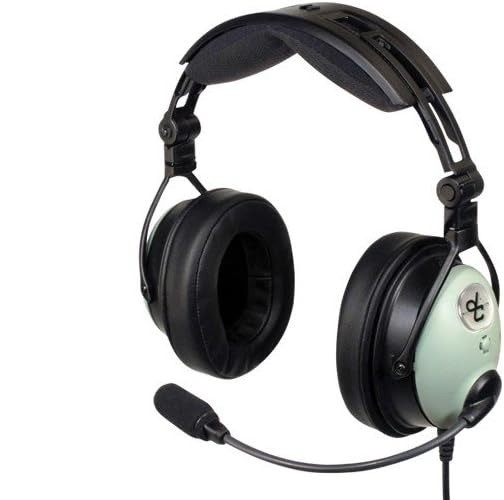
In a direct comparison, one pilot in a jet cockpit found its ANR superior to the Bose A30, noting the DC ONE-X cuts noise precisely without adding audible “white noise.” It also boasts excellent battery life, Bluetooth connectivity, and strong passive noise reduction. [Read more]
Choosing Your Aviation Headset: An FAQ
Selecting the right aviation headset is crucial for clear communication, hearing protection, and comfort in the cockpit. With a variety of options available, it can be a daunting task. This FAQ will help you navigate the key considerations and make an informed decision.
What are the main types of aviation headsets?
Aviation headsets generally fall into two main categories:
- Passive Noise Reduction (PNR) headsets: These rely on the physical design of the earcups and materials to block out noise. They are typically lighter, more affordable, and don’t require batteries.
- Active Noise Reduction (ANR) headsets: These use electronics to actively cancel out low-frequency noise, resulting in a quieter experience. They offer superior noise reduction but are more expensive, heavier, and require batteries for the ANR function.
PNR vs. ANR: Which one is right for me?
The best choice depends on your needs and budget:
- PNR is suitable for:
- Pilots on a tighter budget.
- Aircraft with lower noise levels (e.g., gliders, some lighter sport aircraft).
- Pilots who prefer a simpler, battery-free operation.
- ANR is highly recommended for:
- Pilots of noisy aircraft (e.g., piston singles, turboprops).
- Pilots who fly frequently or for long durations.
- Anyone prioritizing maximum hearing protection and a more comfortable listening experience.
- Pilots with pre-existing hearing issues.
What factors should I consider when evaluating comfort?
Comfort is paramount, especially on long flights. Consider:
- Weight: Lighter headsets generally cause less fatigue.
- Clamping force: How tightly the headset presses against your head. Too much can cause discomfort.
- Ear seal material: Gel ear seals offer excellent comfort and seal, while foam can be more breathable for some.
- Headband design: Padded and adjustable headbands distribute weight better.
- Ventilation: Some headsets offer better airflow to prevent your ears from getting hot.
- Glasses compatibility: If you wear glasses, ensure the ear seals don’t create uncomfortable pressure points around the temples.
What kind of microphone should I look for?
- Noise-canceling microphone: This is crucial. It filters out cockpit noise, ensuring your transmissions are clear to ATC and others.1 Look for electret or dynamic noise-canceling microphones.
- Flexible boom: A flexible boom allows you to position the microphone optimally for clear voice pickup.
Are there different types of connectors?
Yes, the most common connectors are:
- Dual plugs (GA Plugs): The standard for most general aviation aircraft, consisting of a separate microphone plug and headphone plug.
- LEMO (Panel Power) Pplug: A single, multi-pin connector that provides both audio and power to the headset from the aircraft’s electrical system. This eliminates the need for batteries in ANR headsets.
- Helicopter plugs (U-174/U): A single, larger plug used in many helicopters.12
- Airbus plugs: A 5-pin XLR connector found in many Airbus aircraft.13
Ensure the headset’s connector matches your aircraft’s intercom system. Adapters are available but can add bulk.
What additional features should I consider?
- Bluetooth connectivity: Allows you to connect your phone for music, calls, or flight app audio.
- Audio input jack: For connecting external devices like an iPad or auxiliary music player.
- Auto shut-off: Saves battery life by turning off the ANR when not in use.
- Stereo/mono compatibility: Most headsets can switch between stereo and mono operation to match the aircraft’s intercom.
- Durability and build quality: A robust headset will withstand the rigors of cockpit use.
- Manufacturer Warranty and Support: Important for long-term peace of mind.
How much should I expect to spend?
The price range for aviation headsets is broad:
- PNR headsets: Can range from $150 to $500.
- ANR headsets: Typically range from $500 to over $1,200, with high-end models offering premium features and comfort.
By carefully considering these factors, you can choose an aviation headset that will serve you well for years to come, enhancing your flying experience and ensuring your safety in the cockpit.
FLYING may earn revenue from the products available on this page and participate in affiliate programs.