
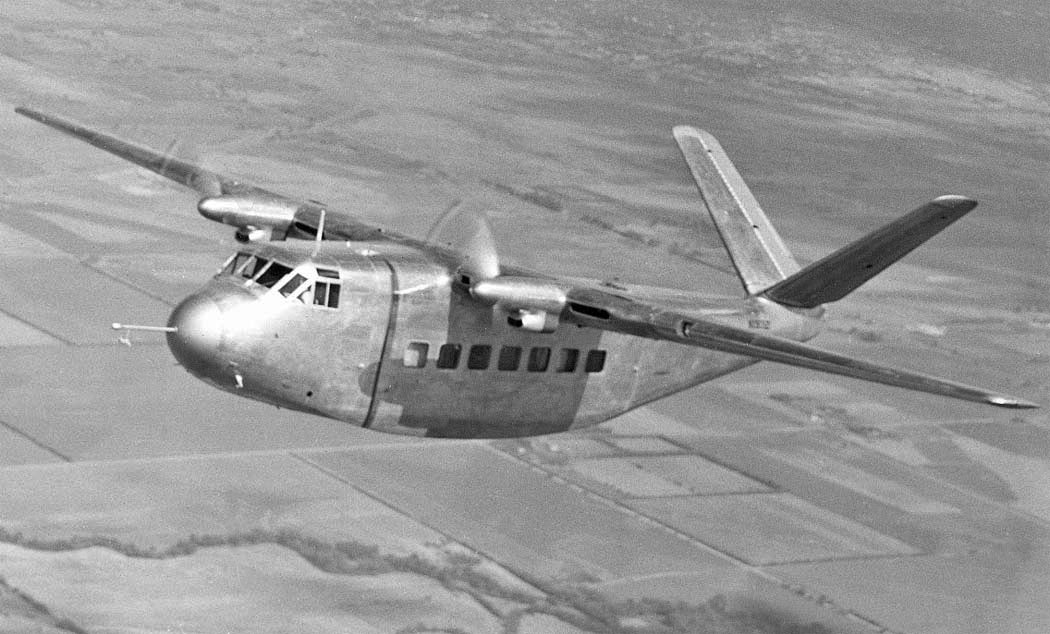


In the years following World War II, the economy was booming, Americans were beginning to travel, and aircraft manufacturers were brimming with experienced teams of engineers. With the demand for military aircraft subsiding, virtually all of these companies began exploring new avenues for product development and innovation. It didn’t take Beechcraft long to identify civil aviation as a burgeoning opportunity.
Fresh off the success of the V-tail Bonanza and the larger, 8-to-10 passenger Model 18, Beechcraft management explored the market and noticed a gap in the industry’s product offerings. Prior to the war, types such as the Ford Trimotor, Boeing 247, and Curtiss taildraggers served as the era’s smaller “regional airliners,” but the war effort paused any further development of that segment. Referring to it as a “Feederliner,” Beechcraft reasoned that a small, modernized civil airliner was just what the industry needed.