











Shrinking Gaskets
The following information is derived from the FAA’s Service Difficulty Reports and Aviation Maintenance Alerts

The following information is derived from the FAA’s Service Difficulty Reports and Aviation Maintenance Alerts
The landing gear would not retract after takeoff, or extend when gear down was selected. The emergency gear extension handle was pulled, but it broke off in the pilot’s hand. The aircraft was landed gear-up. Troubleshooting revealed that the cable broke at the base of the handle.
Left and right elevators were disassembled for repair. When the inboard flange was removed, exfoliating corrosion was found on spar. Corrosion is located under flange attach to spar and is not visible until parts are disassembled. The submitter suggests the issue isn’t one of flight time but the calender.
The following information is derived from the FAA’s Service Difficulty Reports and Aviation Maintenance Alerts.
The following information is derived from the FAA’s Service Difficulty Reports and Aviation Maintenance Alerts.
While complying with Service Bulletin 55-3835 “Installation of Empennage Inspection Access Panels,” the horizontal stabilizer forward spar and ribs were found not riveted correctly from the factory. Many rivets that go through the forward spar are too short, and where the rib and forward spar come together, the rivet misses the rib. We have found this same problem on other aircraft we have inspected.

This aircraft has factory-installed, extended range fuel tanks, a “wet wing” design in each wing tip. These tanks were found leaking through the fuel vent tubes (p/n 60-170010) on both sides. The cause of the leak was found to be the deterioration of the sealant around the tube slip-joint fittings.
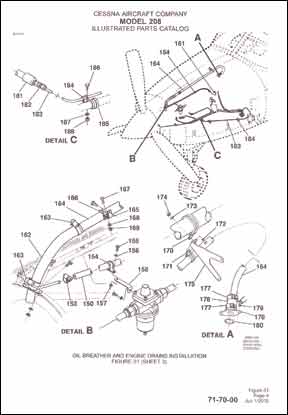
The pilot reported an unusual amount of oil was being consumed and oil pressure was fluctuating. There were no external signs of an oil leak. When bleed air was turned on, a fine mist of oil issued from the heater vents. Troubleshooting found the engine vent line (p/n: S51-14) had collapsed, internally pressurizing the case and causing the oil to leak internally into the compressor.
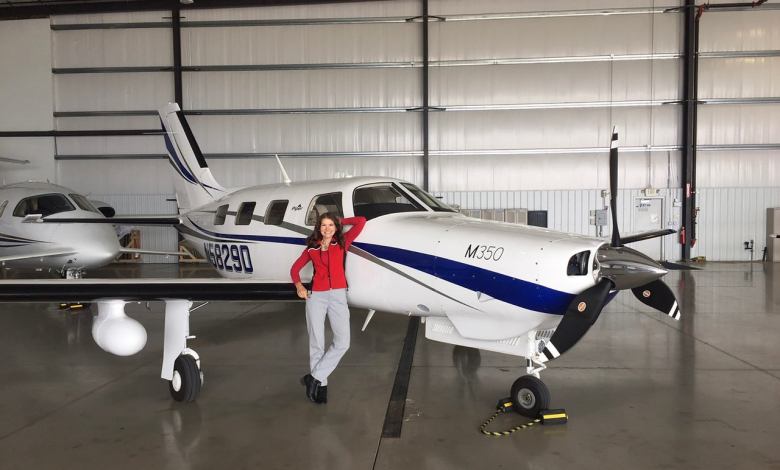
A casting crack was found visually during the course of an annual inspection. The crack is located on the forward end of the support casting (p/n 07416031), starting 0.25 inches from the outboard mount holes and ends within 0.25 inches of the mount holes on the inboard side of the casting.
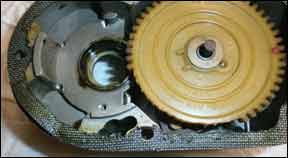
The nosegear collapsed on landing. The nosegear actuator was removed and tested in a controlled environment. When the actuator was cold-soaked, the microswitch (p/n 1CH16) failed to activate properly, giving a false indication the gear was down and locked. Due to gear failure, both aircraft propellers struck the ground, causing sudden stoppage to the engines. The aircraft also suffered structural damage to the nose section.

Get the latest stories & special offers delivered directly to your inbox.
SUBSCRIBE