Squawk Box

Antennas

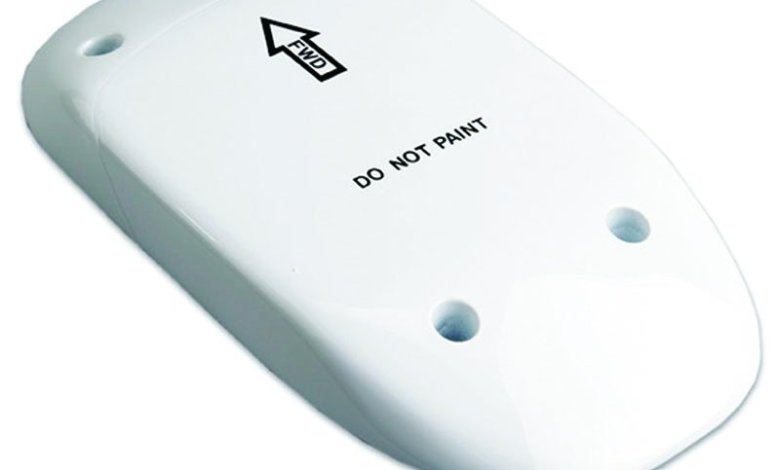
During post-flight inspection, cracks were discovered on the ELTs rod antenna, approximately six inches from the base. The #2 GPS lost signal during an RNAV approach, generating a warning on the Garmin G1000. An operator noted it had experienced four-plus failures of the whip antenna installed for the Artex ME406 ELT. Flight experienced en route loss of GPS reception on all four devices, including a GTN 750/650 installation plus two portable WAAS GPS receivers. The GNS 430W indicated no satellite coverage while in flight. A portable GPS also indicated lost coverage.

Read More »

The Aircraft Engine Cylinder Report

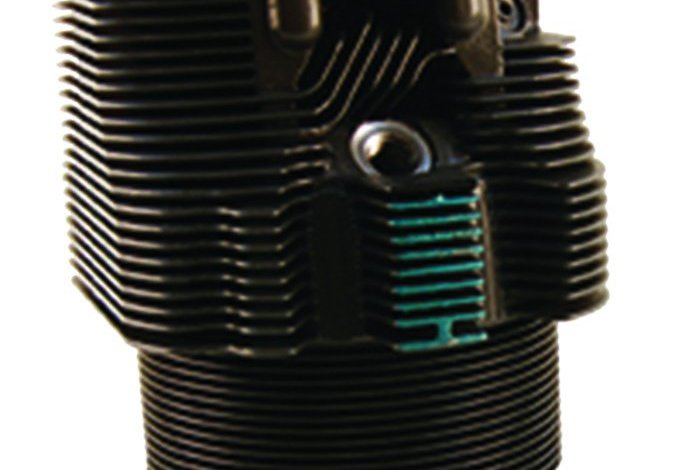
Cracks in your aircraft’s cylinders will lead to problems in-flight. Somewhat fortunately, your engine will alert you with roughness, and you will have time to land. But your cylinders are crucial – keep them clean and sturdy, or expect malfunction. Here are some recent FAA Service Difficulty Reports that highlight the issue.

Read More »

Pipers

The following information is derived from the FAAs Service Difficulty Reports and Aviation Maintenance Alerts.

Read More »

Cessnas

Cessna Model 172S Skyhawk SP Frayed Control Cable During an annual inspection, an aileron control cable (p/n 0510105-364) was found worn at the pulley cluster (p/n S378-4) in the center overhead ceiling area. Cable must be rotated so access can be gained where cable rests on the pulley at the six o’clock position. The cable […]

Read More »

Strutting

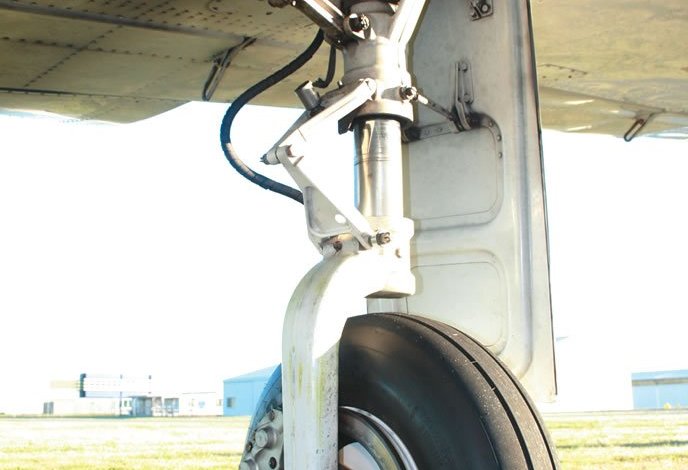
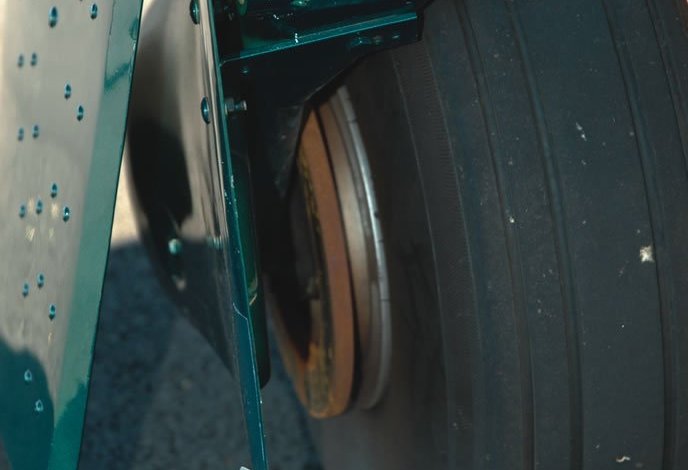
During landing gear retraction tests, it was noted the nose wheel assembly would contact the right nose gear doors aft hinge during landing gear cycle. Also, the nose wheel assembly contacted the nose wheel well structure when fully retracted. Precision measurements determined the nose strut assembly-to-aircraft-structure attach points were misaligned.

Read More »

Pumped

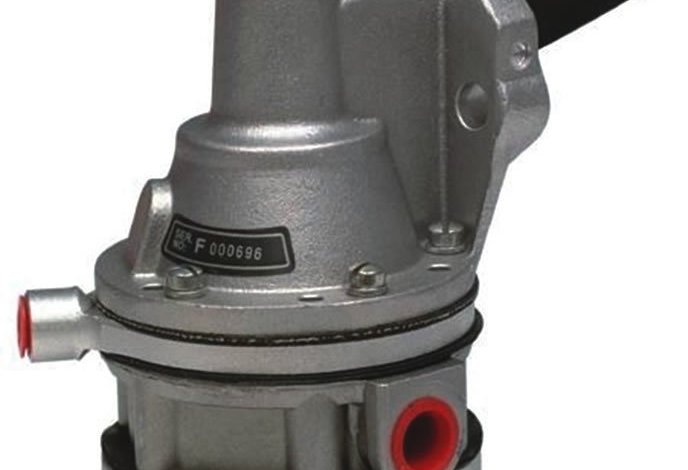
This aircraft was equipped with a turbonormalizing system, which requires a fuel pump with an aneroid compensator to regulate the mixture replaces the original pump. On this installation, the fuel mixture cam profile was erroneous. Fuel flow rate increased normally from idle cutoff to approx 80 percent of mixture-lever range of motion where fuel flow is at maximum. Then the fuel ratio decreases as lever continues toward maximum position: 80 percent mixture provides 37.5 gph; 100 percent provides 35.5 gph.

Read More »

Alternators

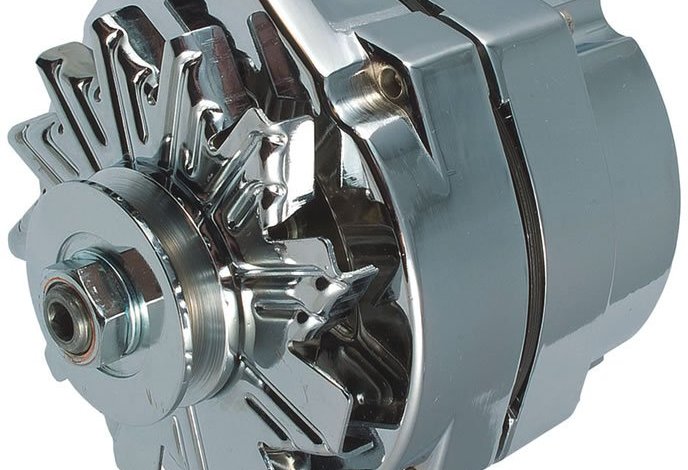
The alternator cooling fan came apart after takeoff, and parts punched a hole in the induction air box downstream of the air filter. Also, the alternator belt became loose in the engine compartment. Loss of power from engine FOD damage resulted in an uneventful landing back to the airport. The cooling fan had fractured at one of the fins spot welds.

Read More »

Shafted

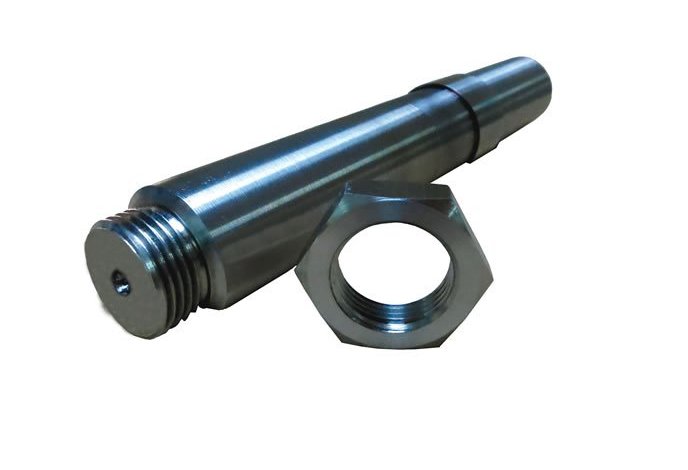
As the aircraft climbed through FL190, the pilot reported a loss of power. An emergency descent was begun and an unscheduled landing was planned. Some power was restored as the airplane descended. On landing, inspection revealed the shaft between the turbocharger compressor and exhaust wheels had broken in two.

Read More »

Switched

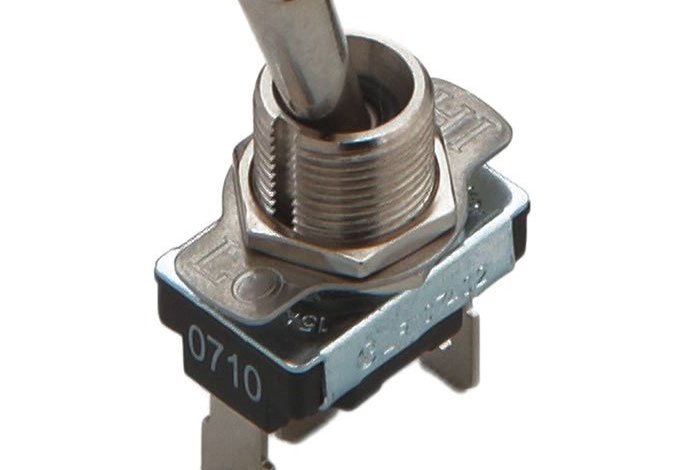
The navigation light circuit breaker switch trips and will not reset. Fault in circuit breaker switch (p/n 35-380132-101). These switches are the new and improved versions installed under AD 2008-13-17, but are continuing to fail internally.

Read More »

Geared Up

Crew observed right main landing gear unsafe indication on extension at destination. Emergency gear extension procedures did not result in safe indication. After landing, right main gear collapsed as aircraft came to a stop. Significant damage was discovered to the right main gear actuator support structure.

Read More »
Pilot in aircraft
Sign-up for newsletters & special offers!

Get the latest stories & special offers delivered directly to your inbox.

SUBSCRIBE