Aviation Safety

Beyond Flaps

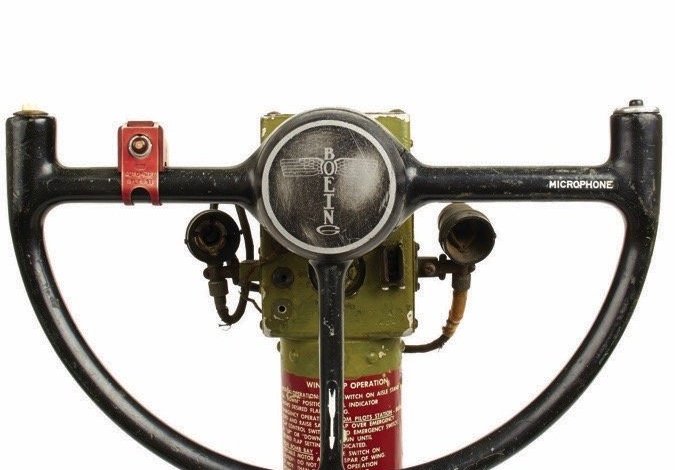
Boeings 727 has always been one of my all-time favorite airplanes. Ive never flown in one as anything other than self-loading freight, but Im old enough to remember when the 727 (and the DC-9) brought jet comfort and performance to smaller, outlying airports where the eras long-haul mainstays-707s and DC-8s-couldnt operate. These days, of course, economics-fuel burn, plus the need to pay three pilots-and noise regulations have relegated the venerable three-holer to tramp-freighter status or the scrapyard.

Read More »

FAA Urges Best Practices For Turbocharger Exhaust

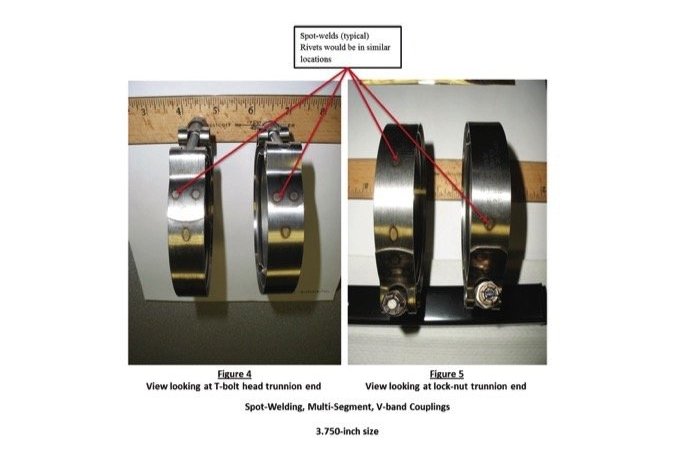
As part of its charter to help minimize GA accidents, the General Aviation Joint Steering Committee (GAJSC; see the article beginning on page 4 for background) earlier this year published a Best Practices Guide designed to ensure airplanes equipped with turbocharged reciprocating engines fitted with turbocharger to tailpipe V-band coupling/clamps, remain in their original type design configuration. It will also help to effectively manage the risk associated with the use of V-band coupling/clamps in this application.

Read More »

Backcountry Safety Culture

Many of todays workplaces seek to create a formalized safety culture, an environment where employees practice behaviors that minimize accidents, look out for their co-workers and where reporting unsafe conditions is encouraged, not subject to retaliation, and frequently rewarded. It can be a great goal, but it often creates an exaggerated sense of safety where people need safety training to use a power strip and posters about how to get out of a car without tripping. The goal of creating a safety culture often ends up a corporate farce, since the best safety cultures are not created by artifice, but happen naturally because people really care.

Read More »

Maneuvers

But if you struggled to get the knack of flight maneuver exercises that often seemed far removed from the realities of coaxing an aircraft between Points A and B, you have our sympathy. Training for the private and commercial certificates in particular requires learning to master maneuvers whose relation to practical aviation is, to put it charitably, not obvious. (If you can envision a situation in which your life depends on being able to fly lazy eights to airman certification standards, by all means write in to describe it, as we cant.) This raises the question: Having once done them well enough to persuade an examiner to issue a certificate, is there any reason to go on spending flight time and the money it represents maintaining those elusive skills?

Read More »

Its Your Job To Check

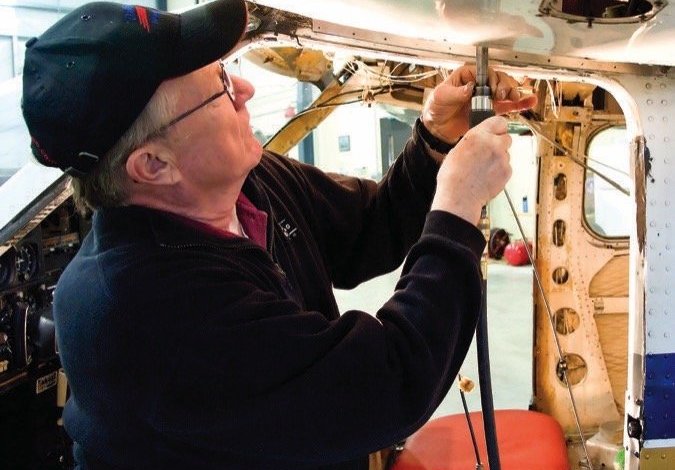
Theres an opinion among some pilots and mechanics that inspections and scheduled maintenance can do more harm than good. By constantly disassembling and reassembling an aircraft to inspect it, they argue, were prematurely wearing out the aircraft and actually making it less safe. Those same pilots and mechanics note that this is largely true, in their opinion, for aircraft that arent flown very much. For more active aircraft, however, they acknowledge that regular inspections and maintenance are less intrusive and, in fact, beneficial.

Read More »

Making GA Safety Policy

Recent, similar efforts involving the FAA and the GA community are picking up in tempo. Youve already seen some of the institutional changes: relaxed certification standards for installing advisory angle-of-attack indicators and the new rash of all-electronic attitude indicators, among others, which are designed to help minimize the classic loss-of-control inflight accident. These and other outcomes may be producing tangible results, but its too early to be sure. Regardless, by using a data-driven approach and producing specific safety enhancements, these efforts are creating some useful outcomes for GA pilots. The way this came to be is an example of why you never want to see sausage made.

Read More »

Pothole

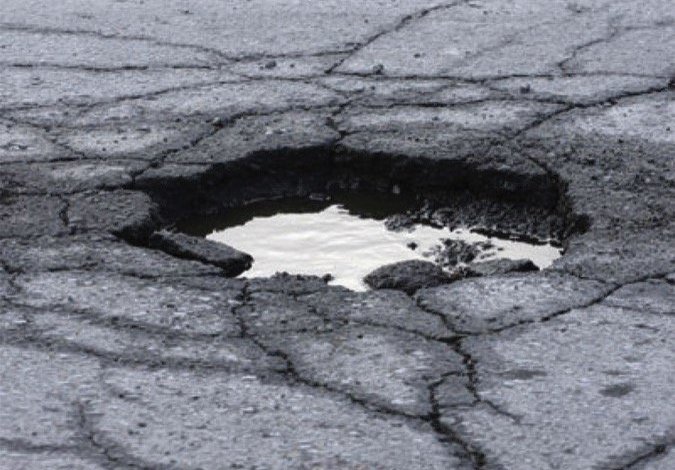
The landing was normal, and I took a close look at the left landing gear after shutting down but couldnt find anything amiss. The tire and wheel looked good, and there was no hydraulic fluid seeping from the strut. The brake was secure and had tested fine on the landing, and when taxiing in. There was no damage to the wing, the landing gear door or any other part of the airplane. Not finding anything wrong with the airplane I forgot about it, wondering if I had imagined it. Ultimately, I figured Id hit a dog with the landing gear and, sadly, someone had lost their pet.

Read More »

Bad Yokes

During a scheduled inspection, technicians encountered corroded and bent control yoke boss attachment hardware that proved difficult to remove. After consulting with the manufacturer, the final recommendation was to remove the boss via cutting the bolts (p/n 2315152-33). Manufacturer was able to repair the yoke assembly using SB 31-27-11 and kit 2381602-801. Aircraft had been parked outside without gust locks.

Read More »

Good Days In The Plane

Like thousands of my closest friends, I made the pilgrimage to Oshkosh, Wis., in late July for the Experimental Aircraft Associations annual AirVenture Fly-In and Convention. As has been the case with the show in recent years, the 2018 edition set another new record for attendance, with some 601,000 people moving through the gates. At Oshkoshs Wittman Field, there were 19,588 aircraft operations during the 11-day period from July 20-30, according to EAA, an average of approximately 134 takeoffs/landings per hour. I contributed two of those operations.

Read More »
Pilot in aircraft
Sign-up for newsletters & special offers!

Get the latest stories & special offers delivered directly to your inbox.

SUBSCRIBE