Aviation Safety

November 2, 2005, Sparks, Nev. / Schleicher ASH 26 E

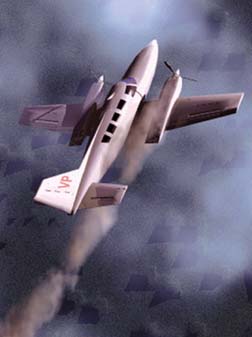
The powered glider was destroyed and the Airline Transport pilot was seriously injured at about 0940 Pacific time when the aircraft experienced an in-flight breakup during an unknown phase of flight. Visual conditions prevailed at the impact site; undetermined conditions existed aloft. The pilot had been cleared to fly in an airspace block between FL180 and FL280. Controllers opined that the pilots communications sounded normal during conversations within minutes of their losing radio and radar contact. The last Mode C radar hit was at 0939:30, when the glider was about 0.8 nm north-northeast of Sparks. One minute later the glider was about 2.2 nm and 032 degrees from Sparks. Air traffic…

Read More »

A Little Ice?

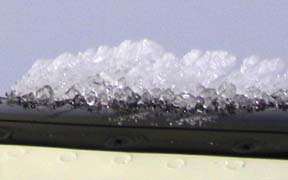
Tis the season-time to stop thinking thunderstorms and start thinking ice. And while youre thinking, ask yourself-how much ice is too much?

Read More »

Overgross!

Even a small amount of weight in excess of max gross can drastically affect performance. Heres what to expect if you overload your airplane.

Read More »

In-Flight Fire

Do you know your airplanes most likely sources of an in-flight fire? How quickly you respond and get on the ground means everything.

Read More »

Learning Experiences: 01/06

Its Not A River In Egypt
Having completed an IFR ground school and earning a multi-engine rating a few months before, I was preparing for a career change to professional pilot. A classmate had asked me to fly his wife from Lees Summit, Mo., to Norman, Okla., to pick up their two children, a 12-hour round-trip drive. I chose the aircraft I obtained my multi-engine rating in, a Model 55 Baron/Colemill Conversion, and asked a close friend/instructor to accompany us. My now ex-girlfriend came along.

The first indicator of a problem was when we had to use a ground cart to get the engines started. In the run-up, every system behaved as it should. After an uneventful flight and ab…

Read More »

Editors Log: 01/06

Talking About Ice
Winter will be upon us in North America by the time this issue arrives in your mailbox. Already, my flight planning concerns have shifted from worrying about thunderstorms over the Great Plains to worrying about ice over the Appalachians.

Much of the talk among pilots and in this magazine about ice focuses on avoiding it or coping with it if you cant avoid picking up a load. Theres also the legal issue of flying an unapproved aircraft in known or forecast icing conditions.

That doesnt mean we should keep the airplane in the shed all winter; nor does it mean flying into ice with impugnity. Indeed, most of the ice Ive found over the years wasnt where…

Read More »

Squawk Box: 01/06

Cessna 150M
Cracked Engine Mount

A mechanic found the R/H lower engine mount tube cracked. The crack is located within one inch of the nose wheel strut support. This crack is -inch in length, moving around the circumference of the tube. The mount (p/n 0451120-1) was replaced.Part Total Time: 5002.1 hours.

Cessna 172
Cracked Rear Wing Spar

A crack was found in the rear wing spar. A search of the SDRS database found three airplanes where cracked spars were detected. The total time in service (TIS) for these three airplanes ranged between 12,000 and 16,000 hours. The cracks are hidden between the lower skin and the flap track support rib. Use of a magnify…

Read More »
Pilot in aircraft
Sign-up for newsletters & special offers!

Get the latest stories & special offers delivered directly to your inbox.

SUBSCRIBE