











Aviation Safety

May 12, 2006, Cumming, Ga. / Cessna 150L

At 1145 Eastern time, the airplane collided with the ground shortly after takeoff. Visual conditions prevailed. The airplane was destroyed by impact forces; the Airline Transport pilot and Private-rated passenger were fatally injured. A witness stated the pilot had topped off the airplanes fuel tanks. The witness noted that the takeoff roll was much longer that expected. The airplane climbed to approximately 50 feet, followed by a left turn. The witness stated that the airplane never exceeded 50 feet agl. The airplane came to rest a mile from the airport in a residential subdivision….

Read More »

May 12, 2006, Del Norte, Colo. / Piper PA-46-350

The airplane was substantially damaged during a hard landing at approximately 1645 Mountain time. Visual conditions prevailed; the Private pilot and three passengers were not injured. The pilot later said he made his final approach to 85 KIAS with two notches of flap. About 150 yards from the runway threshold, the airplane fell and began to sink excessively in a nose-high attitude. He attributed this to windshear. The airplane landed hard and bounced. A pilot-witness said the wind was about 5-10 knots down the runway with no gusts. The accident airplanes approach was low and with a high power setting. When the airplane touched down, it rolled forward on its nose wheel. He heard power appl…

Read More »

May 14, 2006, Pompano Beach, Fla. / Cessna 414A

At about 1647 Eastern time, the airplane was substantially damaged during a forced landing on a road. Visual conditions prevailed. The Commercial pilot and pilot-rated passenger were not injured. The pilot subsequently stated that when the flight was approximately three miles north of the airport, the right engine surged. He checked the fuel selector and turned the electric boost pump to no effect. He then secured the right engine, turned onto base leg and requested a priority to land but declined declaring an emergency. The controller advised him to continue on the downwind leg which he complied with. Then, the left engine began experiencing problems. The pilot declared an emergency, an…

Read More »

May 18, 2006, North Las Vegas, Nev. / Cessna 210N

The airplane was substantially damaged when it landed with partially extended landing gear at about 0850 Pacific time. The Private pilot and single passenger were not injured. Visual conditions prevailed. The pilot later stated that she lowered the landing gear and saw a green light, which indicated that the gear was down and locked. She did not look out the window to verify that the main gear was down. She touched down and the airplane veered off the runway. The nose gear was down, but the main gear legs were retracted….

Read More »

May 18, 2006, Battle Ground, Wash. / Cessna T210L

At 2009 Pacific time, the airplane sustained substantial damage after impacting trees following an aborted landing at a private airstrip. The Private pilot received serious injuries, while the two passengers sustained minor injuries. Visual conditions prevailed. It was reported that the airplanes approach to the private airstrip was long and fast. The airplane impacted a series of trees before crashing and catching fire….

Read More »

May 20, 2006, Jennings, La. / Boeing A75

The airplane was substantially damaged at about 1830 Central time during a forced landing following a loss of engine power shortly after takeoff. The Commercial pilot and his passenger were not injured. Visual conditions prevailed. The pilot reported that while climbing through an altitude of 30 to 40 feet agl, the airplanes engine lost power. The pilot elected to turn toward an open field. Shortly before touchdown, as the pilot was attempting to avoid a fence, the airplane stalled and impacted the ground….

Read More »

May 22, 2006, Levelland, Texas / Cessna 150F

At approximately 1840 Central tine, the airplane was destroyed during impact with terrain following a loss of control during a landing approach. The Flight Instructor and Student pilot were fatally injured. Visual conditions prevailed. According to witnesses, the wind was reported at about 20 knots, gusting in excess of 25 knots. The airplane was observed to take off and level out. It then made a slight climb before a sharp 180-degree turn was observed. The witnesses stated that the airplane then lost altitude, before climbing back up to about 200-300 feet again, at which time the airplane made a sharp, high-banked turn towards the runway. During the turn the left wing continued to drop, and…

Read More »

NTSB Preliminary Reports

May 3, 2006, Aguila, Ariz.
Schweizer SGS 1-26D

At about 1430 Mountain time, the glider collided with terrain during takeoff. The Private pilot and sole occupant sustained fatal injuries; the glider was substantially damaged. The tow pilot subsequently stated that, with the towplane at about 40 feet agl and the glider airborne, the glider assumed a severe pitch-up attitude. The tow rope separated and the glider climbed to about 150 feet agl. The glider stalled, making a right turn while descending toward terrain.

May 4, 2006, Lincoln, Neb.
BAE125-800A

Its crew lost control of the business jet on a maintenance test flight at about 1800 Central time. The even…

Read More »

May 23, 2006, St. Augustine, Fla. / Cessna 172S

The airplane experienced a failure of the crankshaft and separation of the propeller and propeller flange shortly after takeoff at about 1258 Eastern time. Visual conditions prevailed. The airplane was not damaged and the Commercial pilot was not injured. The pilot stated that he was ferrying the airplane; another pilot had performed a precautionary landing the day before after experiencing a rough-running engine. The pilot performed a preflight inspection and several engine run-ups; no discrepancies were noted. At 500 feet during the initial climb, engine rpm decreased from 2390 to 2200. The pilot then heard a loud noise, noted vibration of the engine and engine cowling, and performed an un…

Read More »

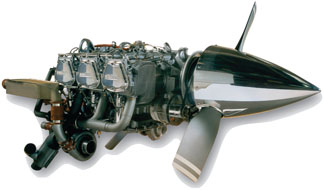
Engine Break-In

How you fly the first few hours after installing new cylinders can mean the difference between a reliable engine and another top-end job.

Read More »
Pilot in aircraft
Sign-up for newsletters & special offers!

Get the latest stories & special offers delivered directly to your inbox.

SUBSCRIBE