Aviation Safety

Whats Your Vector, Victor?

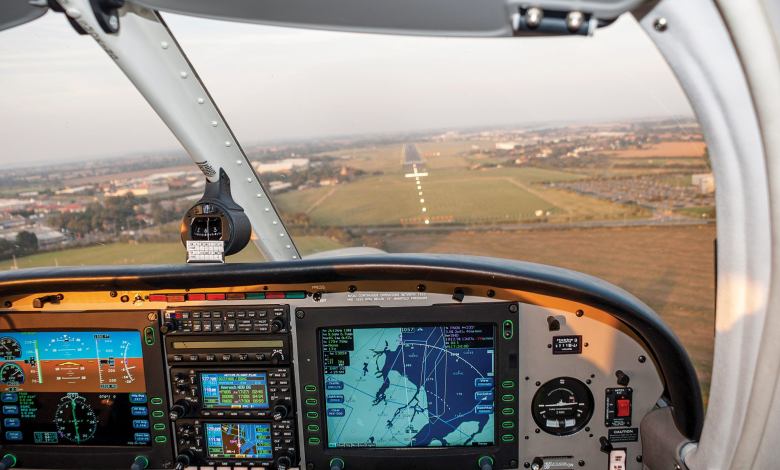
November 12345, turn right, heading 140, vector around traffic.” So begins yet another excursion off our planned course, courtesy of ATC: a vector. In their primary role-helping prevent us from swapping paint with each other-controllers use vectors to maintain spacing or establish sequencing for a runway. Other reasons for a vector include helping keep us out of weather or airspace, or because we request it. In fact, ATC always is supposed to tell us why were being vectored, something well get to in a moment. The reality in todays go-direct-everywhere ATC system usually means a heading to fly is not something we want or appreciate, since its usually an off-course delay, lengthening our trip and wasting time and fuel. But there are times-in terminal airspace especially, or when circumnavigating special-use airspace while en route-when vectors are good things and can help us cut various corners.

Read More »

Taking Hostages

Its been almost four years since the FAA has been able to engage in the kind of long-range planning most other federal agencies enjoy. Thats because the most-recent multi-year legislation authorizing its activities expired in 2007, forcing the agency into a situation where its been subject to a series of short-term extensions-21 of them so far, as of this writing-to continue operating. Most recently, the agencys offices and employees tasked with airport construction, facilities modernization, and research and development, were forced to shut down when Congress failed to renew the latest extension.

Read More »

Open-Door Policy

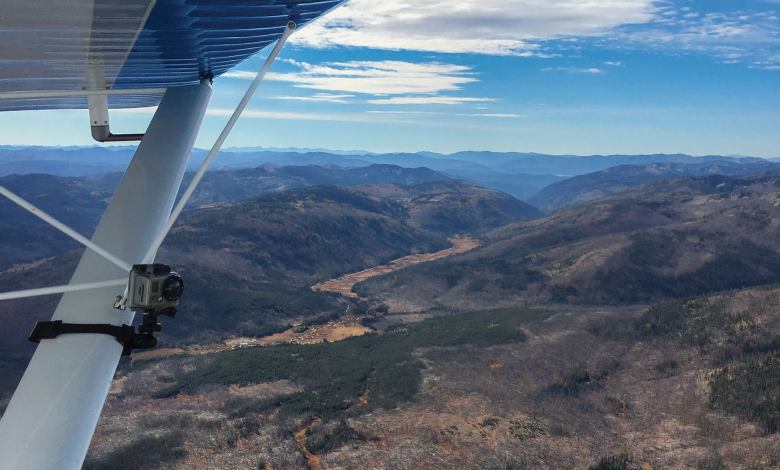
I had almost the same experience (“Open-Door Policy,” Learning Experiences, August 2011) with my father. It was just after WWII, and I was 10 or 11. He had a Piper Cub. It was a nice, late summer evening and we had just taken off from the Whitman County Airport in Eastern Washington. The window was open and-why, I dont know-I reached up and pulled its quick release. It promptly fell off, but my dad had seen me do it and, as luck would have it, caught the door! He calmly reached around with it, handed it to me and said “Hang on to it; Ill land and well put it back on.” Which we did, on a hilltop in wheat stubble out in the middle of nowhere.

Read More »

Open-Door Policy

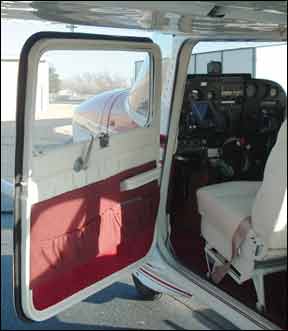
My earliest aviation-related learning experience came years before I earned my private certificate, or even soloed. I was a passenger in a Cessna 182 Skylane my father rented for a business trip to central Missouri. I dont remember all the details, but I was probably in elementary school, so it likely was during the summer. At the time, I was too young to see over the Skylanes seemingly massive instrument panel. We were droning along on the flight home, minding our own business, with my father flying from the left seat and me in the right, when a sudden rush of air and noise announced the pilots-side door had sprung open.

Read More »

Burned And Separated

The pilot reported a burning smell in the cabin. Inspection revealed the taxi light circuit breaker switch had burned internal components. This switch (p/n 35-380132-105) is the improved model required by AD 2008-13-07. Unfortunately, when these switches overheat, it can be impossible to determine if the insulators had been installed improperly, or installed at all. This was the second post-AD switch failure in this fleet.

Read More »

June 1, 2011, Nome, Alaska, Eclipse EA500

At about 2140 Alaska time, the airplane was substantially damaged during landing. The commercial pilot and the sole passenger were not injured. Visual conditions prevailed; an IFR flight plan was in effect for the flight, which originated in Russia.

Read More »

June 1, 2011, Wendover, Utah, Cessna 172R

While executing a go-around at about 1433 Mountain time, the airplane entered a rapid vertical descent and collided with the ground. The private pilot and three passengers were fatally injured; the airplane was substantially damaged. Visual conditions prevailed.

Read More »

June 4, 2011, Astoria, Ore., Piper PA-24-250 Comanche

At about 1741 Pacific time, the airplane crashed into an open field, sustaining substantial damage. The student pilot owned and operated the airplane; he was fatally injured. Visual conditions prevailed. The pilot was completing a solo, round-robin, cross-country instructional flight. The student pilot telephoned his CFI during the accident flight, initially reporting a discharging ammeter, then reporting total loss of electrical power.

Read More »

June 8, 2011, Santa Clarita, Calif., Cessna 177 Cardinal

The airplane sustained substantial damage during a forced landing onto a road at about 1730 Pacific time. The commercial pilot and the pilot-rated passenger were not injured. Visual conditions prevailed. The pilot reported visually checking fuel quantity and determining he had enough fuel to make the cross-country flight and return.

Read More »

June 10, 2011, Westbrook, Conn., Piper PA-24-250 Comanche

At about 1435 Eastern time, the airplane was substantially damaged when it collided with wooded terrain during a forced landing, which followed total loss of engine power. The airline transport pilot was fatally injured; the private pilot passenger was seriously injured. Visual conditions prevailed.

Read More »
Pilot in aircraft
Sign-up for newsletters & special offers!

Get the latest stories & special offers delivered directly to your inbox.

SUBSCRIBE