Aviation Safety

Pilot-Related

It’s not a secret that the vast majority—almost 70 percent in 2010, according to the AOPA Air Safety Institute—of non-commercial general aviation accidents are caused by or result from loose nuts behind the wheel: pilots. According to the AOPA ASI 2011 Nall Report, which looked at all GA accidents during 2010, “Most pilot-related accidents reflect specific failures of flight planning or decision-making or the characteristic hazards of high-risk phases of flight.”
Read More »

Climb Considerations

long ago, an instructor explained to me that knowing the various options for using the airplane, the different ways to make it do what’s needed, and the savvy to use those different models as appropriate, differentiated aviating from rote piloting. In the case of using climb abilities to your benefit, the best preparation begins with knowing and understanding all available options, knowing the plane and practice.

Read More »

Hand-Propping Demystified

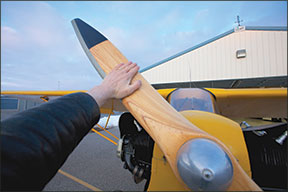
Most casual discussions of hand-propping begin and end with the admonition “Don’t.” That’s not bad advice, except when there’s no other way to start the engine. In fact, hand-propping is a time-honored practice, dating to the beginning of heavier-than-air flight. That it’s still employed says as much about the legacy of aviation as it does our ability to manage risk.

Read More »

Turbo Troubles

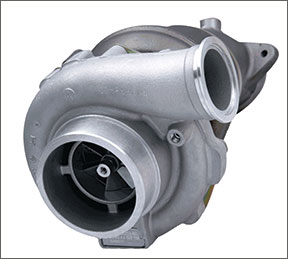
The turbocharger is a useful part of a pilot’s toolbag. When flying an airplane with one installed, it can increase our rate of climb, boost our groundspeed and lift us above a lot of the weather. It also can be used to pressurize the airplane’s cabin, allowing us to enjoy a shirtsleeve environment in the flight levels.

Read More »

Disoriented

License to learn” is the description often given to a freshly earned certificate or rating. The phrase describes a pilot’s new ability to get into conditions for which he or she has been trained but lack experience. Most of the time, we don’t read about what happened on a pilot’s first few forays with a new piece of paper. It’s a good idea if the first few flights during which we exercise our new certification are over familiar territory in relative benign conditions. The aircraft should be in good condition, as should the pilot.

Read More »

One Trip, Two Surprises

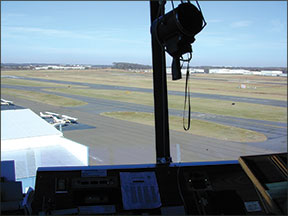
This is a story of a trip with two surprises, one with ATC and one with the airplane. Both resulted in momentary confusion, but they taught me two important lessons

Read More »

Sequestered

It’s been at least five minutes since the last manufactured budget crisis in Washington, D.C., so it must be time for another one. The previous cliffs, shutdowns, grand bargains and other adolescent actions over the last 15-20 years have mostly avoided aviation operations in the U.S. Thanks to the latest federal foot-stamping, that could change, however, impacting how you and I aviate.

Read More »

Fly The Airplane

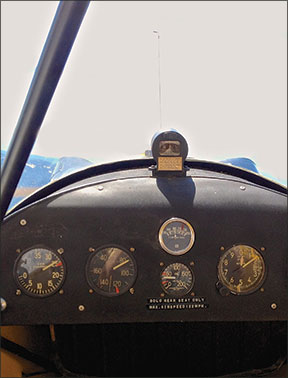
Having learned to fly in a J3 Cub, I enjoyed March’s article on no-radio flying, “No Electrics? No Problem!” I did not know then how blessed I was. I also had an excellent pre-solo learning experience.

Read More »

January 12, 2013, Winder, Ga., Piper PA-28R-180 Arrow

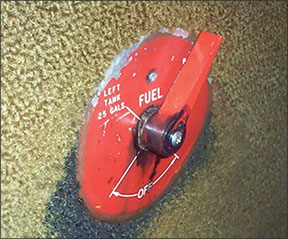
The airplane was substantially damaged during a forced landing to a bog following a total loss of engine power at about 1500 Eastern time. The flight instructor, private pilot and a passenger were not injured. Visual conditions prevailed. The airplane was on a left downwind for landing. Per the Before Landing checklist, the private pilot turned on the fuel pump and positioned the fuel selector to the fullest (right) tank. The engine then ran rough and lost all power.

Read More »
Pilot in aircraft
Sign-up for newsletters & special offers!

Get the latest stories & special offers delivered directly to your inbox.

SUBSCRIBE