











Aviation Safety

February 17, 2013, Casper, Wyo. Cessna T310R

The airplane was substantially damaged at about 1530 Mountain time during landing. The private pilot and passenger were not injured. Visual conditions prevailed. According to the pilot, after takeoff he selected the landing gear to the retracted position and heard an unusual banging noise on the right side of the airplane. The right main landing […]

Read More »

February 20, 2013, Thomson, Ga. Beech 390 Premiere I

The airplane was destroyed when it collided with a utility pole, trees and terrain at 2006 Eastern time, following a go-around attempt. The airline transport-rated pilot and co-pilot were seriously injured; five passengers were fatally injured. Night visual conditions prevailed; an IFR flight plan had been filed. Witnesses reported the airplane appeared to be in […]

Read More »

February 24, 2013, Homestead, Fla. Cessna T337G Turbo Skymaster

The airplane was substantially damaged at about 1142 Eastern time when it was ditched in Biscayne Bay. Visual conditions prevailed. The private pilot and three passengers sustained minor injuries. While the flight was in cruising flight at about 900 feet agl, the rear engine quit without warning. The pilot added full power to the front […]

Read More »

February 12, 2013, Williams, Calif. Lancair 360 Experimental

The airplane was destroyed after landing hard at about 1130 Pacific time during a forced landing following an in-flight fire. The private pilot and pilot-rated passenger were seriously injured. Visual conditions prevailed.After the airplane leveled off at 10,000 feet msl, smoke began to stream from the lower center console. The pilot initiated an emergency descent. […]

Read More »

February 14, 2013, Yeehaw Junction, Fla. Cessna 310H

The airplane was substantially damaged when it impacted terrain at about 1630 Eastern time, following an in-flight loss of control. The private pilot, pilot-rated passenger and a second passenger were fatally injured. Marginal visual conditions prevailed While in cruise, the pilot advised ATC he had entered instrument conditions and requested assistance. The controller attempted to […]

Read More »

February 21, 2013, Indianapolis, Ind. Lancair Evolution Experimental

At about 0850 Eastern time, the airplane was substantially damaged during a gear-up landing. The pilot and flight instructor were not injured. The airplane sustained damage to the fuselage, right wing, vertical stabilizer and rudder. Visual conditions prevailed. The first two landings were uneventful. After the third takeoff, the landing gear indicator lights remained green […]

Read More »

February 27, 2013, Deming, N.M. Cessna 150M

At about 1230 Mountain time, the airplane impacted terrain, fatally injuring the solo pilot. The airplane was substantially damaged. Visual conditions prevailed. Preliminary information indicates that the pilot was receiving VFR flight following services from the ATC and told the controller he was losing his vision and was experiencing pain. His speech then became slurred […]

Read More »

February 8, 2013, Garden City, Texas North American-Medore SNJ-4

At approximately 1245 Central time, the airplane was substantially damaged during a forced landing. The solo pilot was not injured. Visual conditions prevailed. The airplane had undergone maintenance on its fuel system and was being ferried to Midland, Texas. While cruising at 8500 feet msl, the pilot switched fuel tanks and subsequently lost fuel pressure. The pilot attempted to restore fuel pressure but was not successful. During the ensuing forced landing on a road, the right…

Read More »

Approach Configuration Management

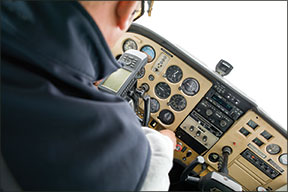
The concept was new to me when I first started teaching in high-performance aircraft: There are pre-chosen settings for aircraft power and configuration, i.e., flap and landing gear position, that result in predictable performance. Set the power, establish the configuration, and the airplane will perform as expected. Manage the drag (with gear and flaps) and power (manifold pressure and propeller, turbine speed or pressure) and the airplane will attain the proper airspeed and vertical speed for an approach or a missed approach.

Read More »
Pilot in aircraft
Sign-up for newsletters & special offers!

Get the latest stories & special offers delivered directly to your inbox.

SUBSCRIBE