Airmanship

Accelerated Stalls

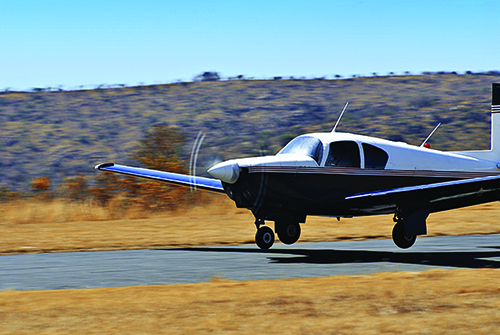
One of the reasons pilots so frequently lose control in flight is they forget—or never were properly instructed—that an airplane’s published stall speed applies only when at gross weight, in a specified configuration and in level, 1G flight. Perhaps they believe that as long as their airspeed indicator shows a value above the bottom of […]

Read More »

Engine-Out Drills

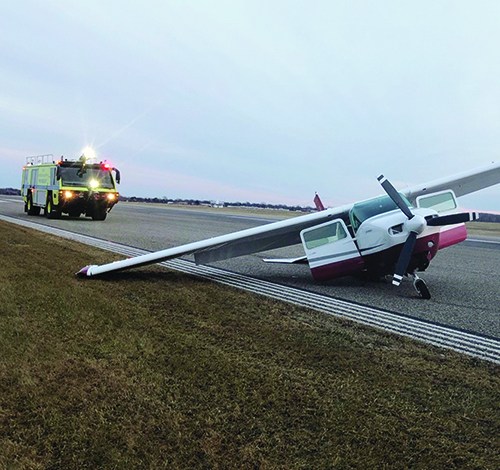
Anyone who’s taken more than a couple of flying lessons has been exposed to simulated failure of a single-engine airplane’s powerplant. For ab initio students, the first engine-out drill often is a demonstration that the airplane won’t fall out of the sky and that the situation can be managed to successfully get on the ground […]

Read More »

Retractable Procedures

Retractable landing gear seems to have fallen out of favor among designers and manufacturers of new piston singles. Cessna hasn’t made a retractable single since the mid-1980s. Today’s most popular single-engine piston airplanes, the Cirrus SR20 and 22, have fixed gear. In fact, 2019 member-company data from the General Aviation Manufacturers Association show a grand […]

Read More »

Fixing Your Float

A common problem students and rusty pilots may have with their landings involves floating down the runway, waiting for the airplane to quit flying. We’re often tempted to force it onto the runway, which can result in all kinds of mischief, including landing on the nosewheel of a tricycle-gear airplane. That’s bad, since the nosewheel […]

Read More »

The ATC Academy

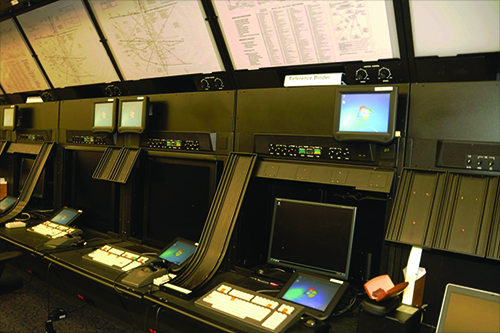
My present career as an air traffic controller started in 2008, when I took my first tower tour. I had earned my private pilot certificate earlier that year and wanted to meet the faces behind the voices I kept hearing. The two gentlemen I met had lengthy careers in the FAA, which included Flight Service […]

Read More »

Steep Turns

Most of us spend our time aloft droning along in straight-and-level flight. For the typical pilot, turns are reserved for the traffic pattern or flying an approach, and occasionally for entering a holding pattern or performing a course reversal. And we rarely exceed 30 degrees of bank. On one hand, that’s okay, since our relative […]

Read More »

The Emergency Mindset

I learned a lot about flying airplanes while working 60 feet underground. I served as a missile launch control officer in the U.S. Air Force in the waning days of the Cold War. We worked in two-person crews, a commander and a deputy, behind a sealed blast door in a small room filled with old-school […]

Read More »

Is Vmc Fixed or Variable?

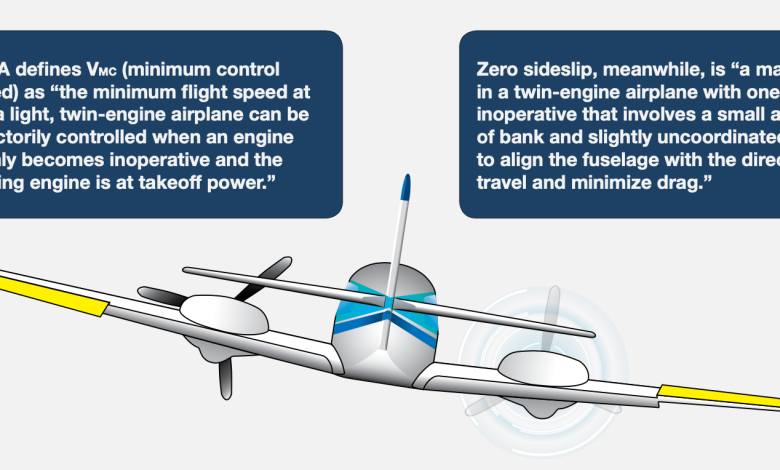
For the most part, flying a multi-engine airplane is just like flying a single. Until an engine fails. When transitioning from a single to a conventional twin, pilots spend most of their training learning to handle engine failures and to eke out what little performance remains. In conventional twins we’re likely to fly, that means […]

Read More »

Hot Fun In The Summertime

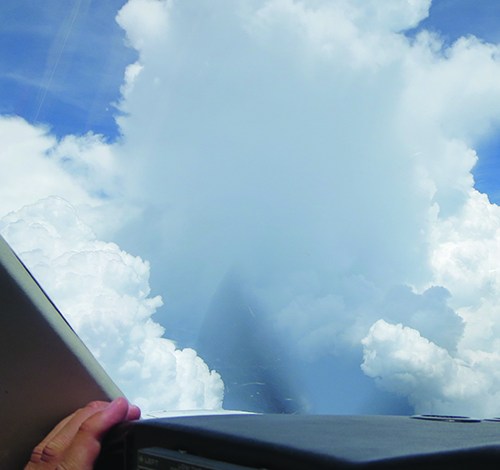
Each season presents its own set of weather challenges. In winter, icing may be more prevalent, along with low ceilings, freezing precipitation and snow-covered runways. Tailwinds can be epic; so can headwinds. Spring and fall can be mirror images, but both often come with good-weather clouds and great visibilities, plus gusty winds and constant change. […]

Read More »

What’s Your Angle?

In our April issue, we explored the theories of generating lift from Bernoulli and Newton, and how neither of them alone fully explains how airfoils work. Bernoulli’s basic understanding of low pressure above an airfoil is correct, but the math is wrong and his assumptions are faulty. He also doesn’t explain inverted flight. Meanwhile, Newton […]

Read More »
Pilot in aircraft
Sign-up for newsletters & special offers!

Get the latest stories & special offers delivered directly to your inbox.

SUBSCRIBE