Aircraft Analysis

Ag Pilots

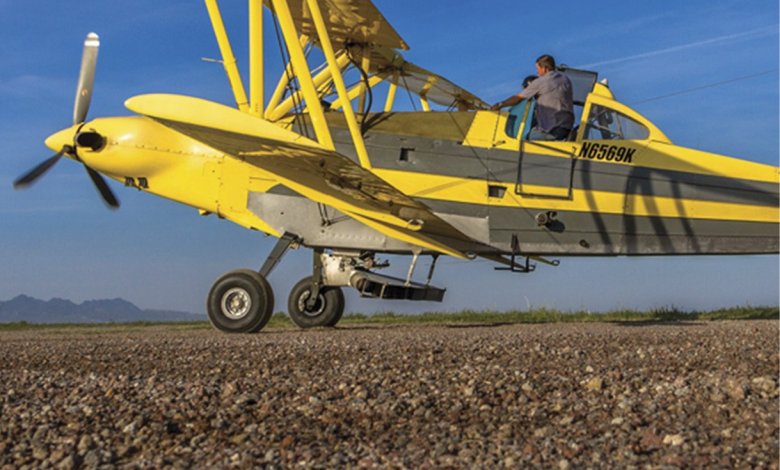
The old stereotype of crop dusters-excuse me, aerial applicators-is that they are scofflaw daredevils, perhaps with behavior issues. That caricature is a relic of the past, when an enterprising farmer would buy a $300 war-surplus Stearman, put a hopper in the front cockpit and fly the plane hard until it broke. It follows that some might think ag pilots are an unlikely source of safety wisdom, and have fallen far behind aviations cutting-edge technology, but the truth is quite different.
Read More »

Shut Down

The recent partial shutdown of the U.S. federal government had a far-reaching impact on aviation, thanks to its parent Department of Transportation (DOT) being one of the agencies lacking an enacted appropriations bill for the current fiscal year. Since related agencies are tacked onto DOT spending bills, the NTSB also closed for the duration, delaying ongoing investigations and postponing new ones. (Our monthly listing of preliminary accident reports might look a bit strange until the NTSB has caught up with the backlog.)

Read More »

Why We Lose Control

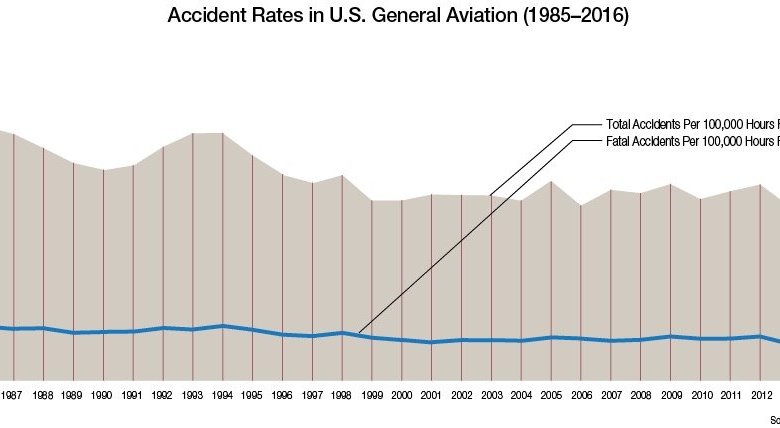
The aviation industry in recent years has highlighted loss of control in-flight (LOC-I) as the leading cause of general aviation fatal accidents. Many aviation organizations, including government agencies, have devoted considerable time and resources to target this problem and develop effective mitigations to reduce the number of LOC-I accidents. Much of that effort focuses on a pilot losing control, and how to train and equip to prevent it, because its the final event in the accident chain.

Read More »

Engine-Failure Risks

It fascinates me that many GA pilots of single-engine airplanes cruise at such low altitudes. Theyre apparently oblivious to the fact that they are flying behind a single engine and if it fails you are on short final to somewhere! Extra altitude not only increases your radius of action, it also adds extra time for trouble shooting (which might eliminate the initial problem altogether) and increases the probability that a Mayday call might be heard. The side benefits include greater aircraft efficiency, cooler temperatures in the summer and possibly a smoother ride, in addition to less-congested airspace. Those long, low, flat, power-on final approaches can put you in the trees if your engine even coughs on short final. Keep a little energy in the bank and make it SOP to shoot for a reasonable aiming point on the runway.

Read More »

Fixing Your Bounce

The primary cause of a bounced landing is flaring too high above the runway, perhaps with too much speed. In our ideal, perfect landing, the airplane will quit flying just inches above the runway. Instead, a bounce results when the flare occurs a few feet above it, and the airplane has the energy-resulting from excess altitude, excess airspeed or both-to rebound back into the air. In any event, a bounce results when the airplane isnt finished flying.

Read More »

Control System Servos

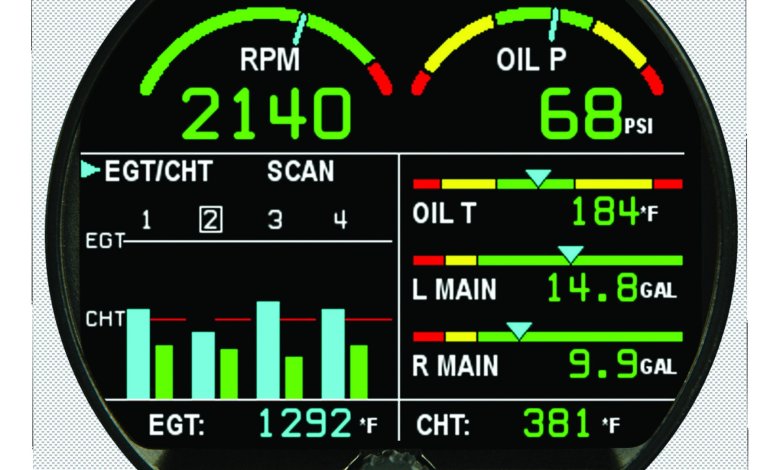
At FL400, the autopilot started porpoising and was turned off. Afterward, the aircraft would not trim properly. The crew diverted; it was difficult to keep it pitched down while descending. During the final phase of flight, the yoke was very difficult to input pitch changes, but was okay in the roll axis. After landing, troubleshooting duplicated the problem. Elevator servo (p/n 4006719914) was replaced with serviceable unit.

Read More »

NTSB Reports

After flying south through the Cajon Pass at 6500 feet msl, the airplane turned west and encountered what the commercial pilot presumed was leeside turbulence from the mountain range. She turned back south to find smoother air but the turbulence became more severe and the airplane began to descend rapidly. As the airline transport pilot struggled to change frequencies in the turbulence, the airplane descended to 2000 feet msl (about 500 feet agl). The commercial pilot applied full power but the engine did not respond. After the airline transport pilot enrichened the mixture and applied carburetor heat, the engine momentarily regained power. At about 2300 feet msl, the engine again lost power, and the ATP decided to land on the westbound lanes of a freeway. As he attempted to avoid a vehicle, the airplane landed hard.

Read More »

Express Elevator Up

As the morning waned, the weather picture improved greatly, with only scattered showers and clouds over the Mojave Desert and clearing over the west side of the Tehachapi Mountains. We ended up filing to go over Victorville and into Bakersfield to visit family. Soon, we were cruising in VMC at 10,000 feet and looking at the activity over the Mojave. Ahead, there were Pireps for icing above 8000 feet, so we asked for and received routing over Edwards AFB at 6000. Based on what we saw visually and on the FAAs flight information system (FIS-B), we thought we were well out of danger.

Read More »

Lack Of Peer Pressure

When I was a student pilot, I was lucky to have some grizzled mentors. There were a lot of do this and dont do that admonitions, a lot of tips regarding shortcuts and rules of thumb, plus some sage advice about decision-making. A lot of that advice could be broken down into the old Its better to be on the ground wishing you in the air than to be in the air wishing you were on the ground genre, but it was often accompanied by a Let me tell you what I learned the hard way kind of introduction.

Read More »
Pilot in aircraft
Sign-up for newsletters & special offers!

Get the latest stories & special offers delivered directly to your inbox.

SUBSCRIBE