Aircraft Analysis

E/AB Aircraft Safety

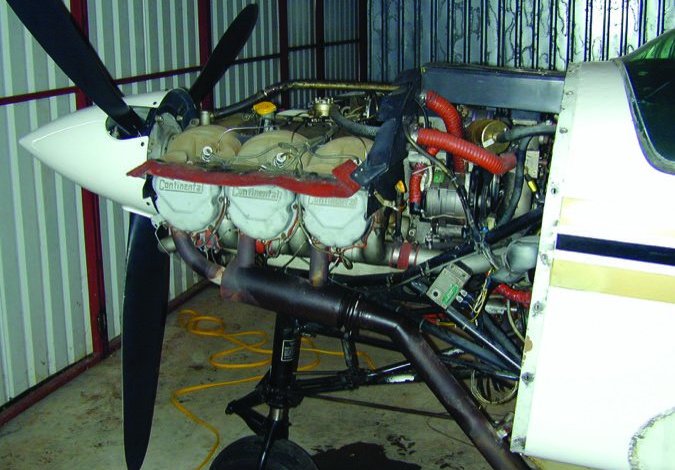
The Experimental/Amateur-Built aircraft category has been the fastest-growing segment of general aviation for some years. The term amateur-built suggests the aircraft was assembled by an individual instead of a factory. In fact, the FARs state that an amateur-built aircraft is one that the major portion of which has been fabricated and assembled by persons who undertook the construction project solely for their own education or recreation. The FAA requires that an amateur-built aircraft must be assembled or constructed at least 51 percent by an amateur, not including the engine(s), propeller(s) or accessories. Meanwhile, the term experimental encompasses much more than just amateur-built aircraft. Examples include those used for research and development, air racing, exhibition, etc.

Read More »

Alternate Alternatives

One thing from the article Id like to emphasize is the difference between the filed, legal alternate and the real Plan B. The requirements for identifying and filing an alternate are designed to ensure we have options for when the weather forecast goes wrong, when someone lands gear-up on the runway or when an equipment malfunction-whether involving a ground-based navaid or a panel-mounted radio-means we cant shoot the approach into our original destination.

Read More »

Down Time

If youre an aircraft owner like me, you enjoy rolling up your sleeves and tackling various tasks to help maintain or preserve your airborne conveyance. Those tasks can be as simple as a wash and wax, or more complicated, like an engine oil and filter change, or other preventive maintenance (PM) items allowed in FAR 43s Appendix A. And if youre also busy like me, you may find it difficult to work these projects into your schedule. One result is starting a PM project and not having time to finish it. Thats a place I find myself.

Read More »

Download the Full February 2018 Issue PDF

Recently I had lunch with my friend and colleague Jeff Van West, Jenny Van West, a talented musician and Jeffs delightful wife, and 14-year-old Baxter, their youngest son. Baxter is an uncommonly bright and interesting young man with the not-uncommon black-and-white simplistic view of the world that is the purview of youth.

Read More »

A Renters Lament

Pilots wanting to fly but who dont have the resources to own and operate their own airplane usually find themselves renting from an FBO or training organization, joining a flying club or entering into some kind of shared ownership arrangement. Renting or sharing airplanes often can be a good choice for someone with varying needs, but experiences can vary and your operational priorities, to put it gently, may not be shared by the organization supplying the aircraft.

Read More »

One Pilots Progression

Like most pilots, my primary training started at the local FBO. After a few months of the usual plateaus and valleys, I was progressing well and nearing the private checkride. But within a matter of a few weeks, all the instructors left for greener pastures and there was no one available to finish me off. In the meantime, the Cessna 150 and Cherokee 140 I had been flying were sold; there was nothing to fly…

Read More »

How Will They Know?

Many years ago, I happened to overhear one pilot ask another, How did they find out? The question revolved around a situation resulting from an error in judgment concerning operation of an unairworthy (out-of-annual-inspection) aircraft. While there was no accident, a somewhat unusual event occurred that was traced to a mouse nest in the carburetor heater duct, which caused a rough-running engine. After a precautionary landing, mechanics discovered the problem and thought it was hilarious.

Read More »

Wheres It Say That?

I read Jeb Burnsides article about ILS and LPV approaches, (Say Approach Request, December 2017) and therein was a comment that had me doing internet searches: Im sure all of us are completing that paperwork every 30 days, right along with logging when we update the GPS navigators database.

Read More »

Download the Full December 2017 Issue PDF

When it does, that new generation of personal aircraft likely will include technologies designed to prevent accidents. Things like envelope protection, where the machine doesnt allow its pilot to put it into an unsafe situation. Technologies like GPS and ADS-B are a given, along with a networked operating environment where it and all other nearby aircraft talk to each other to manage collision avoidance, sequencing and efficient routing. Operator certification wont be nearly as complex, time-consuming or expensive as it is today.

Read More »
Pilot in aircraft
Sign-up for newsletters & special offers!

Get the latest stories & special offers delivered directly to your inbox.

SUBSCRIBE