Aircraft Analysis

Good To Go?

Regardless of what you fly, how its equipped, and how old or new it is, you eventually will encounter inoperative instruments and/or equipment during a preflight inspection. It can be something known to the operator and the maintenance department, or it can be something new. Once the inoperative component is discovered, you have to make a determination whether its legal to fly the airplane without repairs, and then decide if its safe to fly. The two are not the same.
Read More »

Risk And Benefit

I much appreciated Robert Wright’s May 2018 article, Risk Assessment Tools. We use a version of a flight risk assessment tool in our flying club, and while I agree that numerical values should not be the sole criteria for the go, no-go decision, the process does provide a checklist of sorts for decision-making. The most valuable risk assessment tool I use is not found on any web site or aviation app, but is the application of a simple philosophy: If I have to analyze a go, no-go decision for more than a few seconds, it is a sure sign that the risk requires serious mitigation or a willingness to stay safely on the ground.

Read More »

Aviation Accident Data For Skeptics

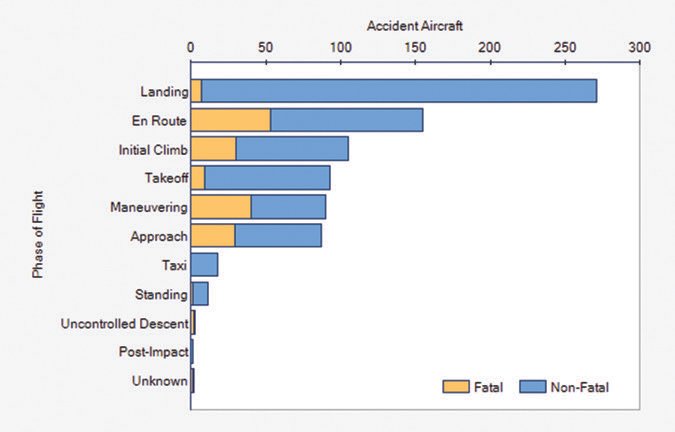
An aircraft accident would seem like an easy thing to identify: Look for the smoking crater with a few pieces of empennage sticking out, right? Okay, that one probably qualifies. But the national statistics are derived from a very specific definition of accident thats not based on either the events immediate effects on airworthiness or the projected cost of repairs. Airplanes can be and often are scrapped for damage that would cost more to fix than their hulls are worth but still doesnt qualify as substantial enough to merit reporting. Conversely, damage that does qualify sometimes goes unnoticed by the pilots who inflicted it, only to be discovered on a later pre-flight inspection.

Read More »

Rationalization

People wouldnt fly personal aircraft-or participate in many other activities-if there werent benefits. Thats human nature. Some benefits we seek by taking risks are intangible and hard to quantify. Others can be readily identified and weighted. Its a calculus we all employ daily in mundane ways. However, the problem isnt that we fail to assess benefits when we analyze risk. Instead, the issue is the inaccurate values we assign on both sides of the equation.

Read More »

Braking Tactics

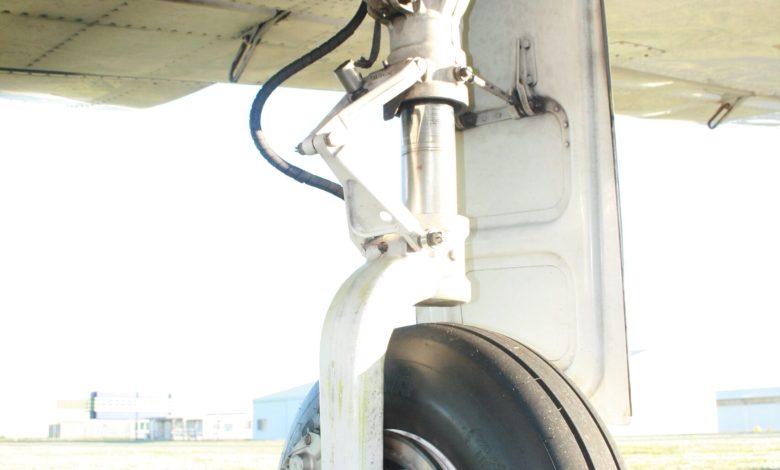
While conducting flight reviews and stage checks for students working toward various airman certificates, Im finding pilots who do not have a strong understanding of the operation and limitations of light aircraft braking systems. Ive also noticed many pilots misuse the brakes in landing and taxiing. For the former, brakes are incorrectly and/or unnecessarily applied immediately following landing. For the latter, excessive engine power requires the pilot to ride the brakes to control the airplane. Both are examples of poor technique.

Read More »

Lack Of Assertiveness

Any pilot whos flown in the system much knows air traffic controllers can be intimidating. The very use of the term controller implies a level of authority over pilots, which often translates into the mindset that pilots always must comply with a controllers instructions, or else. Thats true to an extent, but the pilot is always the final authority as to the operation of the aircraft. It says so, right there in FAR 91.3

Read More »

NTSB Reports

At about 1051 Eastern time, the airplane was substantially damaged when it struck terrain during an attempted go-around. The private pilot and the pilot-rated passenger were not injured. Visual conditions prevailed.

Read More »

FAA Rolls Back Complex Airplane Checkride Rule

Less than a month after the April 4, 2018, fatal crash of a Piper Arrow during a commercial-pilot checkride, the FAA has changed its policy to no longer require a complex airplane (one with controllable-pitch propeller, flaps and retractable landing gear) for the commercial pilot-airplane or flight instructor-airplane certificates. The change comes via FAA Notice 8900.463,Use of a Complex Airplane During a Commercial Pilot or Flight Instructor Practical Test, dated April 24, 2018. The policy change reflects the lack of suitable aircraft.

Read More »

Remember Your Training

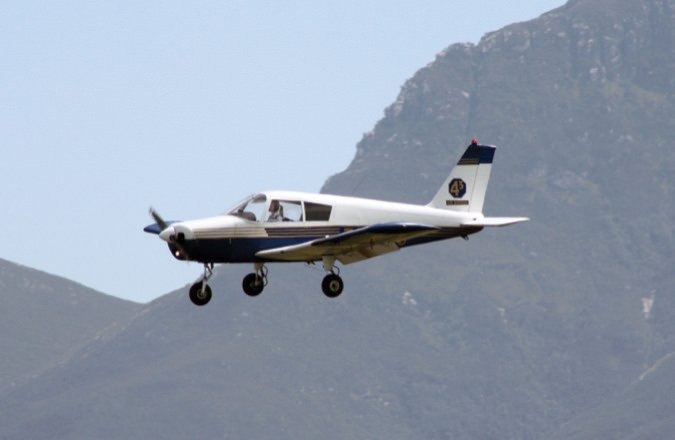
I was still a student pilot, with maybe 20 hours, most of it dual instruction, somewhere between my first solo and the checkride. My primary mount was a Cessna 150 but I had recently been checked out in the FBOs Cherokee 140. One day, rather than take the 150 for a local flight, I opted for the Piper.The airplane actually was a bit intimidating: A more powerful engine. Only one door. A low-mounted wing, like a jet fighter. A fuel system demanding that the pilot energize the auxiliary pump for takeoffs and landings (and change tanks every now and then), both of which were features the 150 didnt have. Rear seats! It was definitely a step up from the 150, at least in complexity, and I was itching to solo it.

Read More »

Nuts And Bolts

While changing an IO-520-BBs oil during an annual inspection, steel and red rubbery pieces were found in the filter. Metal determined to be coming from crankshaft gear driving alternator. Rubber was coming from alternator drive coupler. Four bolts holding crankshaft gear to crank were loose, allowing gear to slop around and cause wear of gears and coupler. Locking plates securing the four bolts were missing.

Read More »
Pilot in aircraft
Sign-up for newsletters & special offers!

Get the latest stories & special offers delivered directly to your inbox.

SUBSCRIBE