
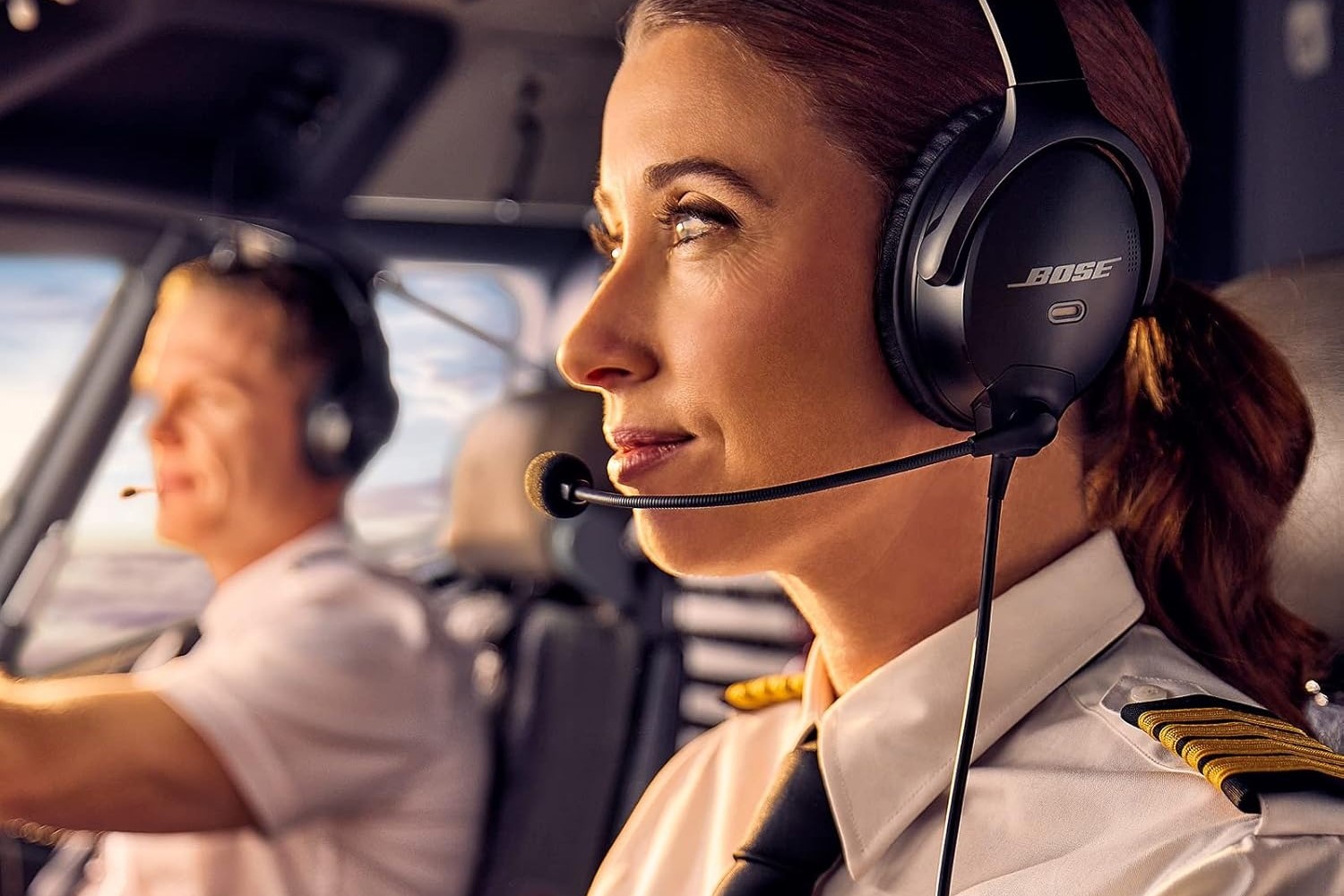


While airlines often provide standard headsets in the flight deck, many professional pilots opt to invest in their own for superior comfort, enhanced audio clarity, and advanced features tailored to long hours in a jet environment.
Unlike the loud cockpits of piston aircraft, the primary challenge in an airliner is not just engine roar but the persistent wind and system noises that contribute to fatigue on long-haul flights.
For an airline pilot, key considerations include Technical Standard Order (TSO) certification, which is often mandated by company policy, lightweight design to minimize neck strain, and effective active noise reduction (ANR). Portability and Bluetooth connectivity for electronic flight bags (EFBs) are also essential factors.
FLYING takes a look at some of the popular headsets you’ll find on the flight decks of commercial aircraft.
Quick Look: 6 Best Aviation Headsets for Airline Pilots
- Best overall headset for airline pilots: Bose A30 Aviation Headset
- Best comfortable headset for airline pilots: Bose ProFlight Series 2 Aviation Headset
- Best warranty headset for airline pilots: Lightspeed Delta Zulu Headset
- Best classic headset for airline pilots: David Clark DC ONE-X Headset
- Best affordable headset for airline pilots: Telex Airman ANR 850 Headset
- Best lightweight headset for airline pilots: Clarity Aloft Pro Plus Headset
Telex Airman ANR 850 Headset
Building on the legacy of the Telex Airman 750, one of the world’s most popular lightweight headsets, the ANR 850 is a common sight in commercial cockpits and is the standard issue on some carriers.
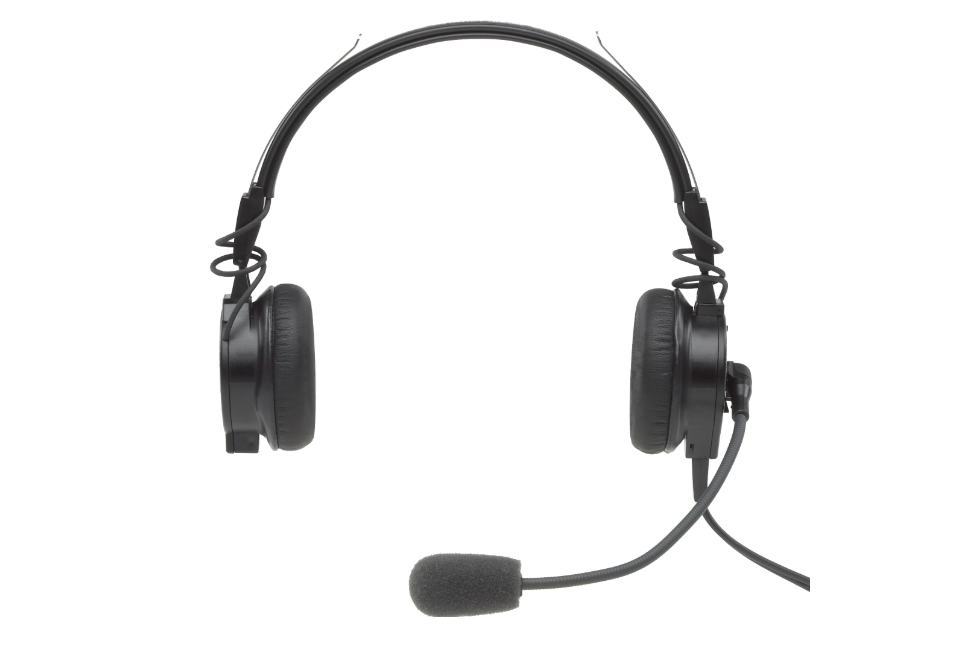
It’s compact, lightweight, and features open-air earphones on a stainless steel bar with minimal clamping pressure, which helps reduce heat and discomfort. A significant advantage is that its ANR is powered by the aircraft and requires no batteries.
- Best for: Affordable, battery-free ANR
- ANR: Yes
- TSO approved: Yes
- Weight: 4 ounces
- Warranty: Three years
- Price: $499
- Disadvantage: Users report its noise cancellation isn’t as effective as premium competitors.
Bose ProFlight Series 2 Aviation Headset
This headset was explicitly designed for the relatively quiet environment of an airline flight deck.
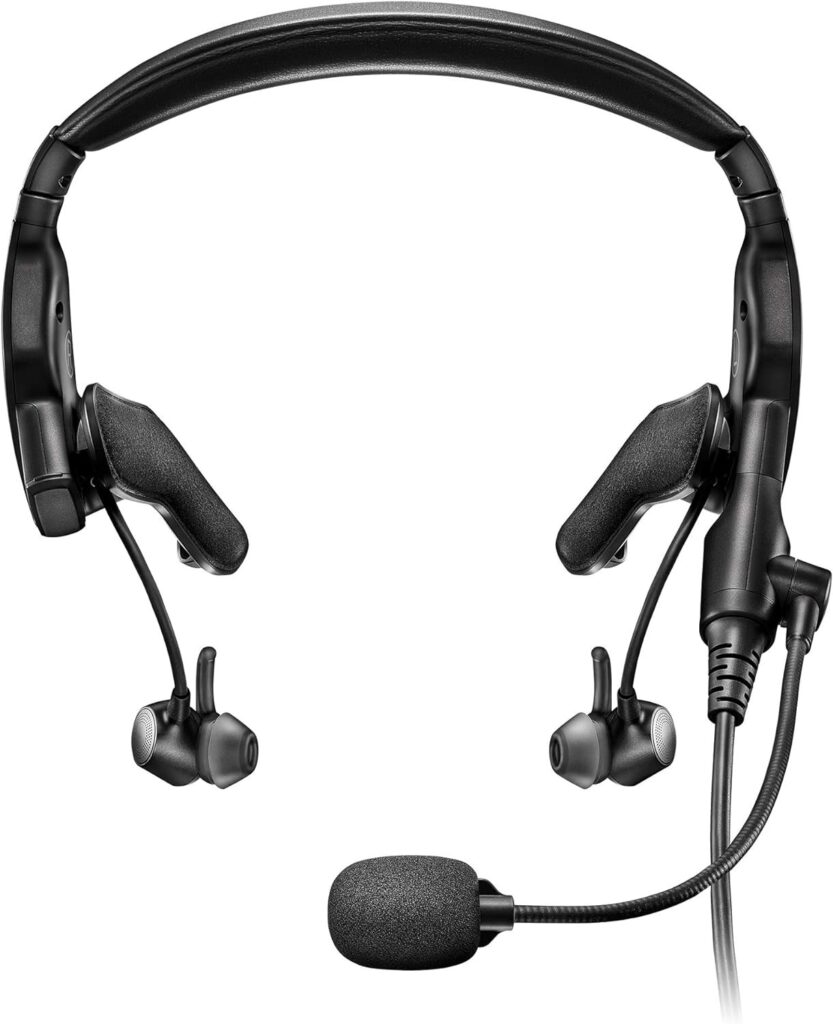
Weighing only 5 ounces, it uses comfortable silicone ear tips instead of traditional over-ear cups, eliminating side pressure. It still offers digital active noise reduction, renowned Bose audio quality, and Bluetooth connectivity, making it a top choice for pilots prioritizing comfort on long flights.
- Best for: Long-haul comfort
- ANR: Yes
- TSO approved: Yes
- Weight: 5 ounces
- Warranty: Five years
- Price: $1,099
- Disadvantage: Some users report issues with the earbud fit, which can impact the effectiveness of the ANR.
Bose A30 Aviation Headset
An upgrade from the legendary A20, the Bose A30 is a top-tier choice for pilots who prefer a traditional over-ear design.
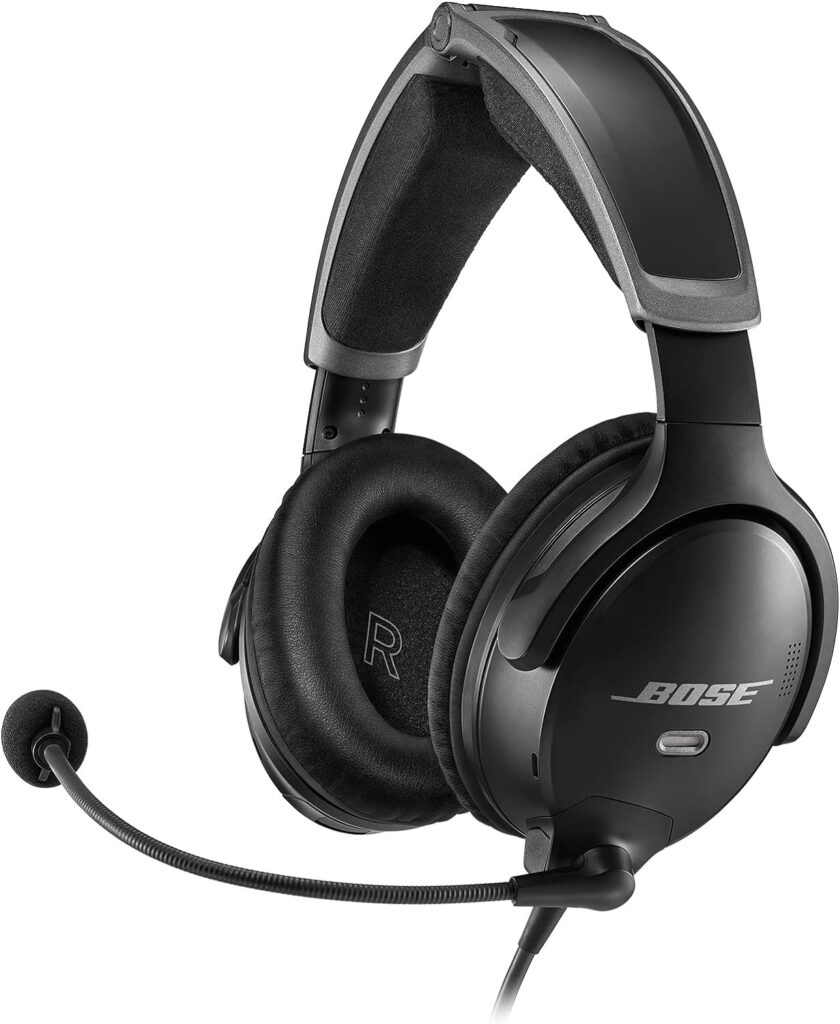
Bose refined this model based on user reviews, reducing its weight and clamping force by 20 percent for increased comfort. It features three modes of active noise cancellation, Bluetooth, and a side-swapping microphone.
It’s known for its excellent performance across various aircraft types.
- Best for: Overall performance and comfort
- ANR: Yes
- TSO approved: Yes
- Weight: 15 ounces
- Warranty: Five years
- Price: $1,299
- Disadvantage: It is one of the most expensive headsets on the market.
David Clark DC ONE-X Headset
From one of the most iconic brands in aviation, the DC ONE-X is a hybrid electronic noise-canceling headset known for its durability.
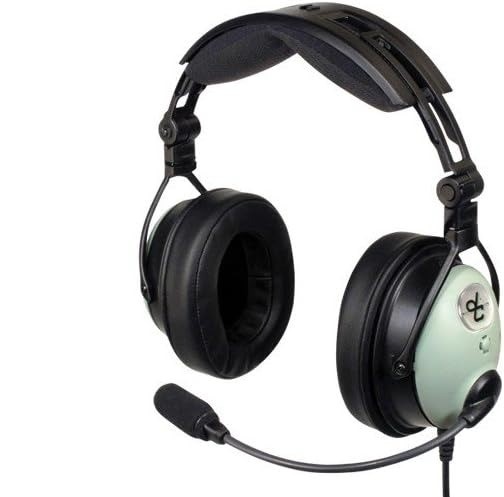
It features plush leatherette ear seals to reduce heat buildup and offers Bluetooth connectivity. A key feature for professional pilots is its ability to fold up compactly, making it ideal for travel.
- Best for: Durability and portability
- ANR: Yes
- TSO approved: Yes
- Weight: 12.3 ounces
- Warranty: Five years
- Price: $995
- Disadvantage: Users have noted that the cables can be prone to tangling.
Clarity Aloft Pro Plus Headset
Another ultralight option, the Clarity Aloft Pro Plus weighs just 1.5 ounces and uses passive noise reduction through its patented Comply Canal Tip earplugs.
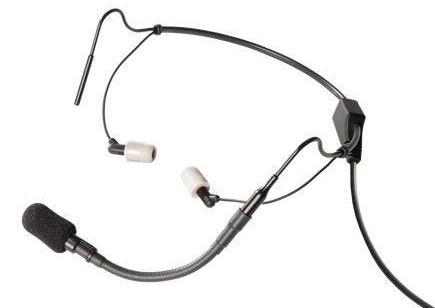
These foam tips provide a tight seal to block noise. The minimalist design, with its low-profile stainless steel headband, makes it suitable for extended wear on long work trips.
- Best for: Lightweight, passive noise-cancelling option
- ANR: Yes (via passive seal)
- TSO approved: Yes
- Weight: 1.5 ounces
- Warranty: Three years
- Price: $775
- Disadvantage: In-ear design can be uncomfortable for some users on long flights.
Lightspeed Delta Zulu Headset
The Delta Zulu introduces innovative safety technology with a built-in carbon monoxide detector, a feature that provides an extra layer of protection.
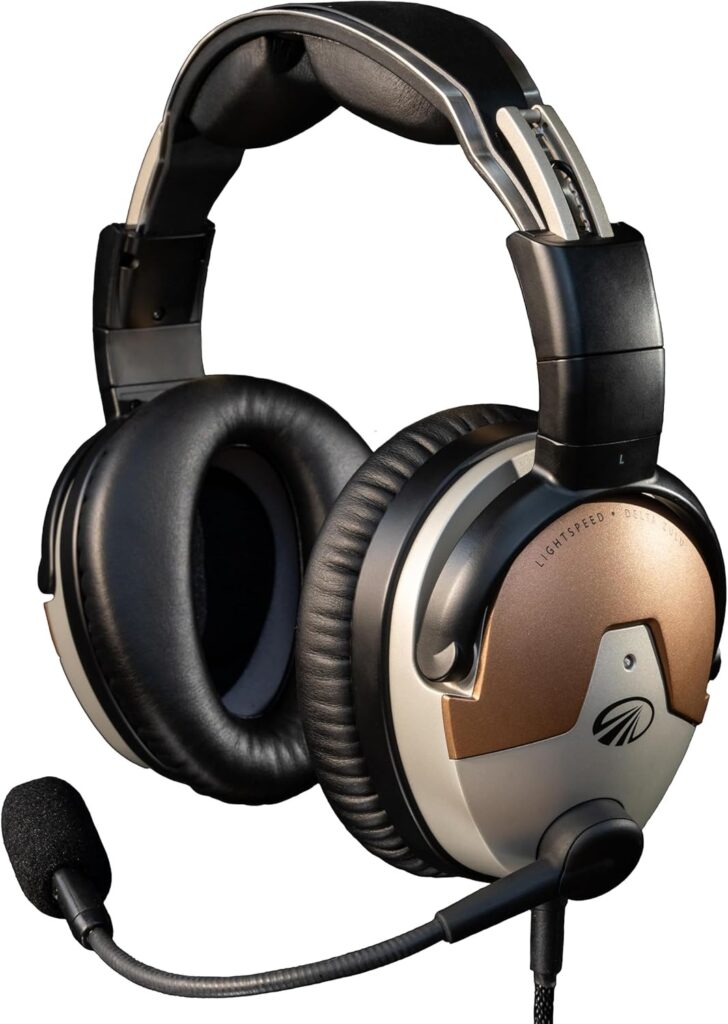
It also features customizable audio profiles and robust Bluetooth support. While it’s a feature-rich headset, pilots must note its TSO status. (Editor’s note: Check out the brand-new Zulu 4 headsets from Lightspeed before deciding which set is for you.)
- Best for: Advanced safety features and warranty
- ANR: Yes
- TSO approved: No
- Weight: 14.9 ounces
- Warranty: Seven years
- Price: $1,099
- Disadvantage: Lack of TSO approval may make it unsuitable for use at airlines that mandate TSO-certified headsets. Users have also reported issues with battery life.
FAQ
Do airlines provide headsets for their pilots?
Yes, airlines typically equip their aircraft with standard headsets. However, many professional pilots choose to purchase their own premium headsets to benefit from enhanced comfort on long flights, superior audio quality, and advanced features like Bluetooth connectivity.
What does “TSO approved” mean, and is it required for airline pilots?
TSO, or Technical Standard Order, is a minimum performance standard issued by the FAA for specific parts and appliances used on civil aircraft. Headset policies vary by airline. Some mandate that pilots use a TSO-approved headset for all communications, while others only require that one be available in the cockpit as a backup. Pilots should always check their specific company’s policy before purchasing a headset.
Is active noise reduction (ANR) necessary in a relatively quiet jet cockpit?
While a modern flight deck is much quieter than a piston aircraft’s cockpit, it still has constant ambient noise from wind, avionics, and environmental systems. ANR is crucial for reducing this low-frequency noise, which helps to minimize pilot fatigue on long flights and ensures communication clarity.
What is the difference between an in-ear and an over-ear headset?
Over-ear headsets, like the Bose A30 or David Clark DC ONE-X, use ear cups that seal around the entire ear. In-ear headsets, such as the Bose ProFlight Series 2 or Clarity Aloft Pro Plus, use small ear tips that fit inside the ear canal. The choice is a matter of personal preference. In-ear models are generally much lighter and have no clamping force, while some pilots prefer the feel and seal of a traditional over-ear design.
How long does a typical aviation headset last?
A high-quality, well-maintained aviation headset can last for more than a decade. However, due to frequent technological advancements in areas like noise cancellation and connectivity, many pilots opt to replace their headsets every five to 10 years to take advantage of new and improved features.
FLYING may earn revenue from the products available on this page and participate in affiliate programs.