









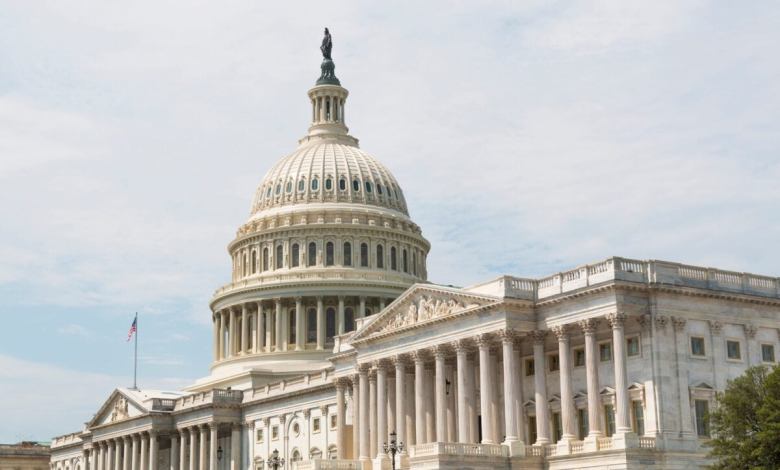
Senate Passes Five-Year FAA Reauthorization Bill
The $105 billion bipartisan bill was overwhelmingly approved in a vote of 88-4.


The $105 billion bipartisan bill was overwhelmingly approved in a vote of 88-4.
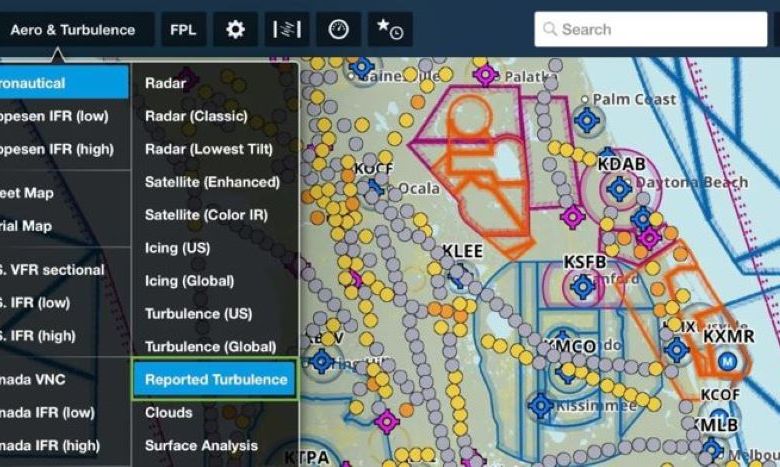
ForeFlight estimates its Reported Turbulence layer offers 50 times more turbulence reports than manual PIREPs.

The New York’s City Council Committee on Economic Development included proposals in its agenda to implement a noise tax on ‘non-essential’ helicopter and seaplane operations.
The hearing will feature a panel of experts who released a report critical of Boeing’s safety culture in February.

According to FAA pilot-production data, the U.S. is consistently certifying a greater number of airline pilots on a monthly basis compared to pre-pandemic levels, the pilot union said.
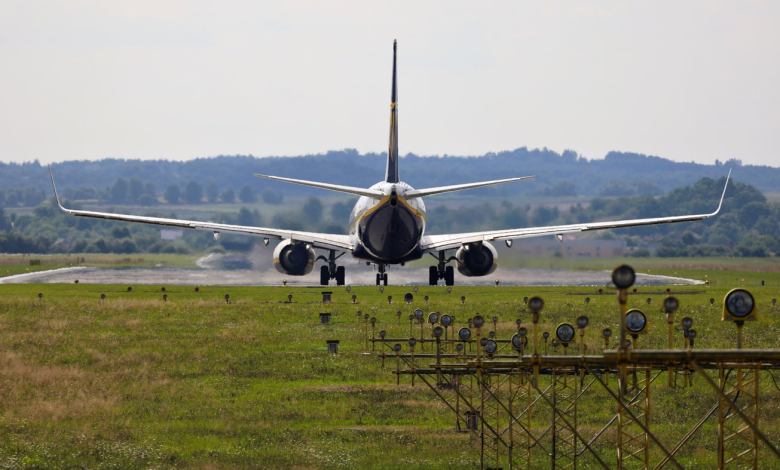
The FAA has outlined plans to deploy Approach Runway Verification technology at several airports across the U.S. this year through 2025.
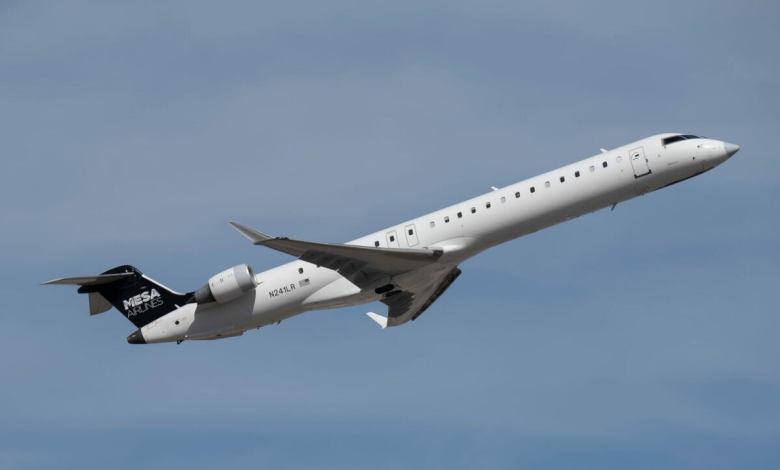
Mesa Airlines unveiled its new Independent Pilot Development (IPD) program on October 9—offering aspiring pilots a more streamlined approach to building flight time.
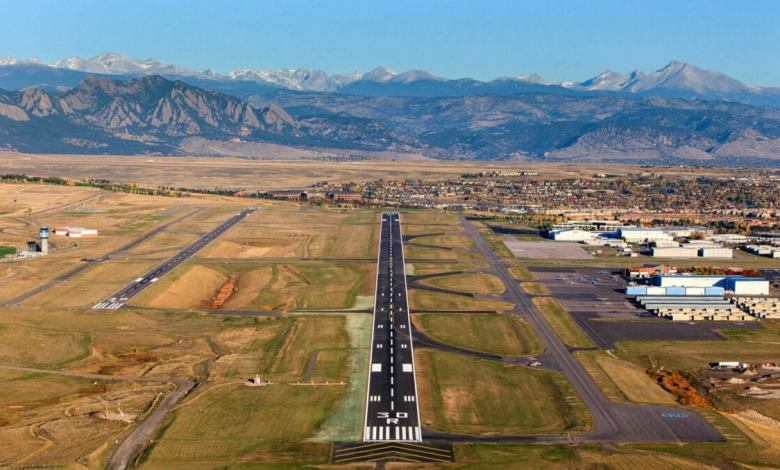
Rocky Mountain Metropolitan Airport is looking to transition to offering only unleaded aviation fuel three years before the FAA’s 2030 deadline.

The decision to ban any aircraft weighing less than 600 pounds was made following two accidents that occurred in the past 18 months.
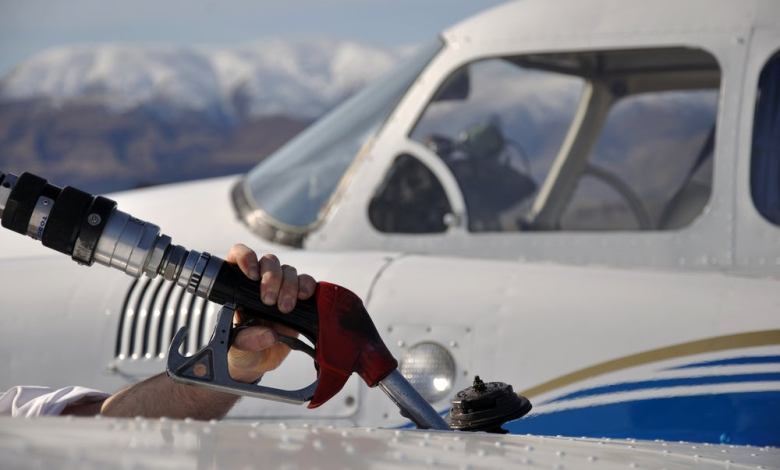
The University of North Dakota program expects the switch to UL94 will improve maintenance costs for its aircraft and lead to more productivity for student pilots and flight instructors.

Get the latest stories & special offers delivered directly to your inbox.
SUBSCRIBE