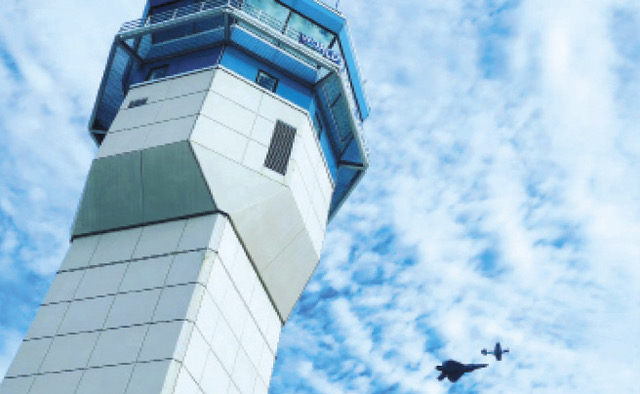
For a few days a year, Oshkosh is the busiest airport in the world.
Key Takeaways:
AirVenture's air traffic control (ATC) requires extensive, year-round planning and a specialized selection process for controllers, prioritizing experienced "veterans" to manage the event's high-density traffic.
Traffic management at AirVenture is highly structured, utilizing unique procedures at key locations like Fisk for VFR arrivals and Fond du Lac for diversions, often relying on visual spotting and strict adherence to specific flight parameters.
To safely accommodate the extraordinary volume of aircraft, the FAA implements critical waivers, including reduced runway separation, minimized pilot radio readbacks, and expanded "line up and wait" procedures allowing multiple aircraft on the runway simultaneously.
Have you flown into AirVenture? You’ve heard stories about the stressful mixed density of traffic across all performance levels with pilots of widely varying skills. In this first of two articles I’ll explore what it takes to control all that traffic in 10 days.
The ATC planning for AirVenture is extensive and nearly never stops.
CREATE A FREE ACCOUNT
Sign up to keep reading
Create a free account to continue. Already a member? Sign in below.