













Register

Angle of Attack

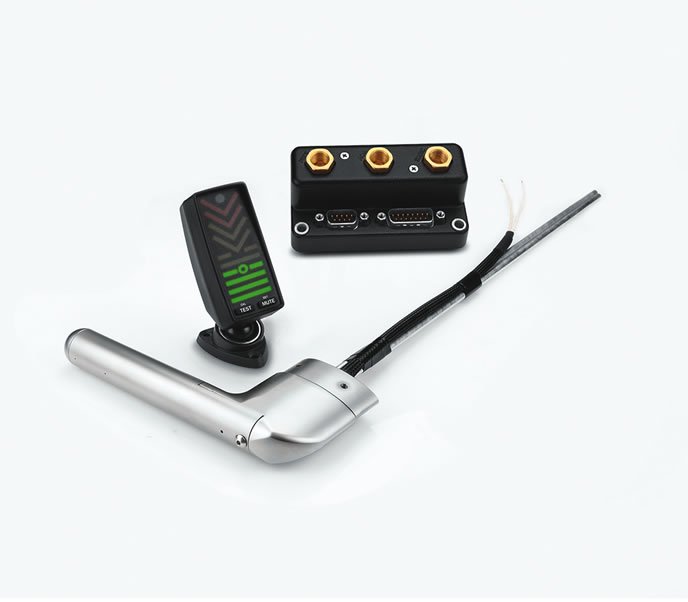
Research by the General Aviation Joint Steering Committee, a group chartered by the FAA to improve GA safety, attributed 40 percent of fatal GA accidents to loss of control in flight. That is more than the next six causes, combined. Many of these accidents resulted from inadvertent stalls and spins. The groups top recommendation for improving safety was installing AOA indicators in GA airplanes.

When it comes to flying a wing, only one thing matters-angle of attack (AOA). For airplanes, we add power to that wing and get performance. While power is accurately displayed via engine instruments, AOA is an enigma fleetingly glimpsed through airspeed and attitude. The books state that airplanes can stall at any attitude, yet our training confuses that information. Practicing stalls at one G teaches us that stalls occur when a certain attitude is reached. The results are troubling.


But, just slapping an AOA indicator on the glareshield wont magically solve these problems and make you a better or safer pilot. Strategic planning and tactical techniques enable AOA systems to effectively battle lift.

Gemini Sparkle

Key Takeaways:

  • Loss of control in flight, often due to inadvertent stalls, is the leading cause of fatal GA accidents, with Angle of Attack (AOA) indicators recommended as a primary safety solution.
  • AOA is the true determinant of lift and stall, unlike airspeed which is a historically inaccurate proxy, making AOA indicators crucial for understanding aircraft limits and optimizing performance regardless of weight.
  • Implementing AOA indicators enhances safety by providing early stall warnings and reduces the "startle effect," while also improving landing consistency and optimizing performance for best climb, range, and glide.
  • For optimal effectiveness, AOA indicators should be utilized as supplemental safety and performance tools, as attempting to use them as primary instruments can lead to unstable flight and limited benefits in general aviation.
See a mistake? Contact us.

Research by the General Aviation Joint Steering Committee, a group chartered by the FAA to improve GA safety, attributed 40 percent of fatal GA accidents to loss of control in flight. That is more than the next six causes, combined. Many of these accidents resulted from inadvertent stalls and spins. The group’s top recommendation for improving safety was installing AOA indicators in GA airplanes.

When it comes to flying a wing, only one thing matters—angle of attack (AOA). For airplanes, we add power to that wing and get performance. While power is accurately displayed via engine instruments, AOA is an enigma fleetingly glimpsed through airspeed and attitude. The books state that airplanes can stall at any attitude, yet our training confuses that information. Practicing stalls at one G teaches us that stalls occur when a certain attitude is reached. The results are troubling.

Ready to Sell Your Aircraft?

List your airplane on AircraftForSale.com and reach qualified buyers.

List Your Aircraft
AircraftForSale Logo | FLYING Logo
Pilot in aircraft
Sign-up for newsletters & special offers!

Get the latest stories & special offers delivered directly to your inbox.

SUBSCRIBE