











According to the AOPA Air Safety Foundations 2007 Nall Report, you have a 57.4 percent chance of dying if you lose control while maneuvering an airplane, up from 50.5 percent in the reports 2005 edition. Maneuvering describes a host of flight operations including aggressive turns from base to final, confined-area course 288
Aircraft Turn Dynamics
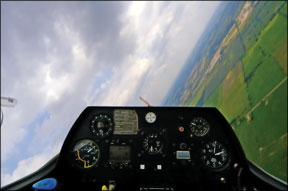
According to the AOPA Air Safety Foundations 2007 Nall Report, you have a 57.4 percent chance of dying if you lose control while maneuvering an airplane, up from 50.5 percent in the reports 2005 edition. Maneuvering describes a host of flight operations including aggressive turns from base to final, confined-area course reversals and retreats to the runway following an engine failure. In other words, turns. Why cant Johnny turn safely? One reason might be losing understanding of and appreciation for the dynamics of a turn, regardless of bank angle, airspeed or pitch. Lets take a look

Key Takeaways:
- Loss of control during maneuvering, particularly turns, carries a high fatality rate (57.4%) often due to pilots misunderstanding the dynamic forces involved.
- Turns increase the aircraft's load factor and stall speed, requiring pilots to generate extra lift; in confined spaces, safe turning involves managing altitude or using flaps to maintain a margin above stall.
- Most steep turns are unnecessary, and many fatal stall-spin accidents result from poor pilot decision-making and technique, such as attempting to correct an overshoot with a steep turn instead of going around.
- Properly understanding and utilizing the rudder is crucial for coordinated turns, a skill often misunderstood, which becomes especially critical at low altitudes where margins for error are minimal.
Key takeaways sponsored by Aviator Pro | Start Your Training ->
See a mistake? Contact us.

