











Conventional airplanes have three primary flight controls: ailerons to manage rolling about the longitudinal axis, elevators/stabilators to establish and maintain the desired pitch about the lateral axis, and a rudder to deal with any yawing moments around the vertical axis. All three of these axes meet and pass through the airplanes center of gravity and, when used correctly, are coordinated to produce smooth, efficient flight. If one spends much time listening to the old-timers populating FBO pilot lounges, todays pilots dont know how to use the rudder to 288
About The Vertical Axis
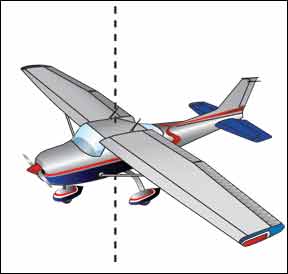
Conventional airplanes have three primary flight controls: ailerons to manage rolling about the longitudinal axis, elevators/stabilators to establish and maintain the desired pitch about the lateral axis, and a rudder to deal with any yawing moments around the vertical axis. All three of these axes meet and pass through the airplanes center of gravity and, when used correctly, are coordinated to produce smooth, efficient flight. If one spends much time listening to the old-timers populating FBO pilot lounges, todays pilots dont know how to use the rudder to manage yaw, especially when flying an older airplane or one with a tailwheel.

Key Takeaways:
- Many modern pilots underutilize the rudder, yet understanding and counteracting various sources of yaw is critical for coordinated and efficient flight, especially in certain aircraft types.
- Yaw is primarily caused by aerodynamic forces like adverse yaw (from aileron deflection) and propeller-related effects including engine torque, slipstream, P factor (asymmetric thrust), and gyroscopic precession.
- These yawing moments are often more pronounced in high-power, low-airspeed situations, and mastering rudder use to compensate for them leads to significantly improved piloting skills, smoother maneuvers, and enhanced aviation safety.
Key takeaways sponsored by Aviator Pro | Start Your Training ->
See a mistake? Contact us.

