FSFs Recommended Elements Of a Stabilized Approach

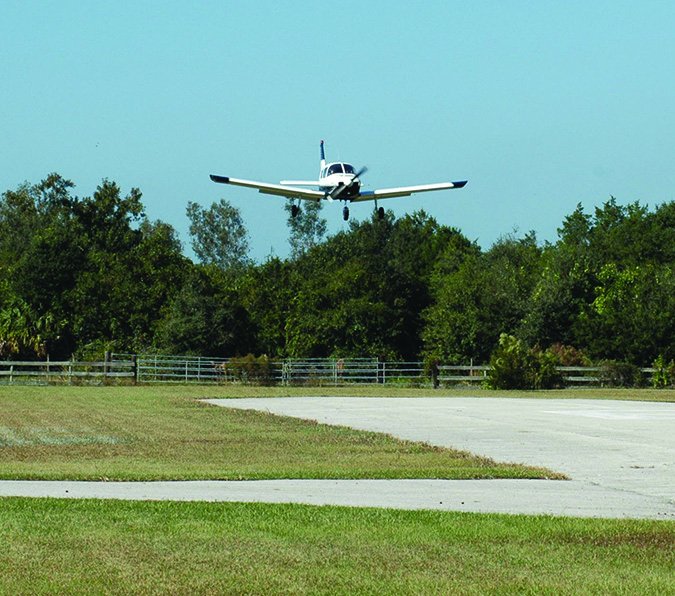
All flights must be stabilized by 1000 feet above airport elevation in instrument meteorological conditions (IMC) and by 500 feet above airport elevation in visual meteorological conditions (VMC). An approach is stabilized when all of the following criteria are met: 1. The aircraft is on the correct flight path; [IMGCAP(1)] 2. Only small changes in heading/pitch are required to maintain the correct flight path; 3. The aircraft speed is not more than VREF + 20 knots indicated airspeed and…

Gemini Sparkle

Key Takeaways:

  • All flights must achieve a stabilized approach by 1000 feet above airport elevation (AAE) in instrument meteorological conditions (IMC) and by 500 feet AAE in visual meteorological conditions (VMC).
  • A stabilized approach requires the aircraft to be on the correct flight path with minimal changes, within specific speed limits (VREF to VREF + 20 knots), in the correct landing configuration, with a sink rate no greater than 1000 fpm, appropriate power settings, and all briefings/checklists completed.
  • Specific approach types, such as ILS, have additional stabilization criteria, and any approach that becomes unstabilized below the specified altitudes (1000 ft AAE in IMC or 500 ft AAE in VMC) requires an immediate go-around.
See a mistake? Contact us.

All flights must be stabilized by 1000 feet above airport elevation in instrument meteorological conditions (IMC) and by 500 feet above airport elevation in visual meteorological conditions (VMC). An approach is stabilized when all of the following criteria are met:

1. The aircraft is on the correct flight path;

2. Only small changes in heading/pitch are required to maintain the correct flight path;
3. The aircraft speed is not more than VREF + 20 knots indicated airspeed and not less than VREF;
4. The aircraft is in the correct landing configuration;

5. Sink rate is no greater than 1000 feet per minute; if an approach requires a sink rate greater than 1000 feet per minute, a special briefing should be conducted;
6. Power setting is appropriate for the aircraft configuration and is not below the minimum power for approach as defined by the aircraft operating manual;
7. All briefings and checklists have been conducted;
8. Specific types of approaches are stabilized if they also fulfill the following:

a) Instrument landing system (ILS) approaches must be flown within one dot of the glideslope and localizer; a Category II or
b) Category III ILS approach must be flown within the expanded localizer band; during a circling approach, wings should be level on final when the aircraft reaches 300 feet above airport elevation;
c) Unique approach procedures or abnormal conditions requiring a deviation from the above elements of a stabilized approach require a special briefing.
9. An approach that becomes unstabilized below 1000 feet above airport elevation in IMC or below 500 feet above airport elevation in VMC requires an immediate go-around.

Source: Flight Safety Foundation Approach-and-landing Accident Reduction (ALAR) Task Force (V1.1 November 2000)

Ready to Sell Your Aircraft?

List your airplane on AircraftForSale.com and reach qualified buyers.

List Your Aircraft
AircraftForSale Logo | FLYING Logo
Pilot in aircraft
Sign-up for newsletters & special offers!

Get the latest stories & special offers delivered directly to your inbox.

SUBSCRIBE