













Register

Finding The Slot

If you were investigating a runway overrun mishap-to discover precisely what led to the accident for the sole purpose of helping other pilots avoid similar events in the future-where would you focus your attention? What might be the deciding factor? What one thing would have broken the accident chain and prevented the crash?

Gemini Sparkle

Key Takeaways:

  • The primary cause of runway overruns is an aircraft not being "in the slot" on short final, a critical set of conditions that must be met for a safe landing.
  • "Being in the slot" means the aircraft, by a specific altitude (e.g., 500 feet AFE), has the correct airspeed/Angle of Attack (AoA), attitude, configuration (gear, flaps, checklist complete), expected power, and is on the precise glidepath to the touchdown zone.
  • If any of these "in the slot" conditions are not fully met on short final, pilots must execute a go-around to avoid increased risk of an overrun, rather than attempting to salvage an unstabilized approach.
See a mistake? Contact us.

If you were investigating a runway overrun mishap—to discover precisely what led to the accident for the sole purpose of helping other pilots avoid similar events in the future—where would you focus your attention? What might be the deciding factor? What one thing would have broken the accident chain and prevented the crash?

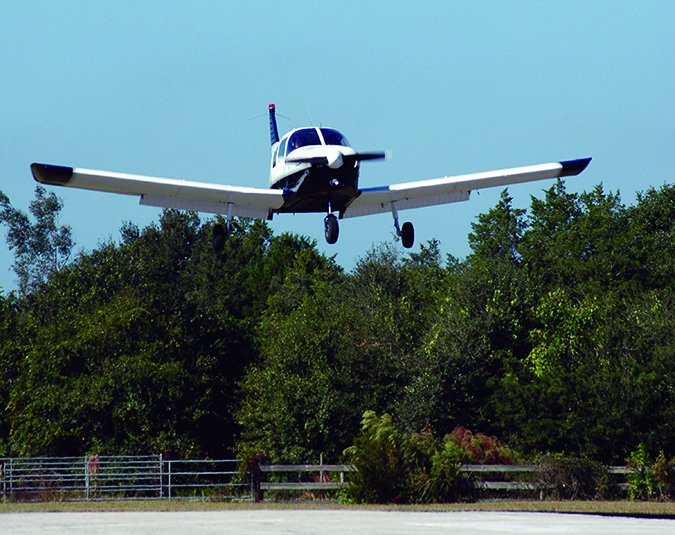
Any number of possibilities might come to mind: braking action, landing hot (too fast), landing long (touching down farther along the runway than optimal), even factors like pilot fatigue. In the final analysis, the one critical factor in almost all runway overruns is the aircraft was not in the slot in the seconds before touchdown.


Ready to Sell Your Aircraft?

List your airplane on AircraftForSale.com and reach qualified buyers.

List Your Aircraft
AircraftForSale Logo | FLYING Logo
Pilot in aircraft
Sign-up for newsletters & special offers!

Get the latest stories & special offers delivered directly to your inbox.

SUBSCRIBE