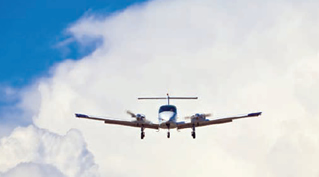
Thunderstorms are a perennial topic whenever pilots get together to discuss weather, especially in summertime. Often, the conversation drifts from detection and avoidance to penetration and how to keep the shiny side up once we’re inside one. War stories inevitably are told, always followed by some version of the “don’t try this at home” admonition.
The primary advice for pilots is to completely avoid thunderstorms ("just say 'no'") instead of attempting penetration.
Effective detection involves a combination of visual observation, thorough pre-flight weather review, and on-board tools like sferics, data-linked Nexrad, or airborne radar.
All detection tools should be used strategically for early and wide deviation around storms, maintaining VFR conditions and a safe distance (e.g., 20 miles).
Thunderstorms are a perennial topic whenever pilots get together to discuss weather, especially in summertime. Often, the conversation drifts from detection and avoidance to penetration and how to keep the shiny side up once we’re inside one. War stories inevitably are told, always followed by some version of the “don’t try this at home” admonition.
CREATE A FREE ACCOUNT
Sign up to keep reading
Create a free account to continue. Already a member? Sign in below.