











I love clouds; I always have, even as a child. When I learned to fly, I came to understand what they could tell me-as well as what they could do to me. Then, as I earned the thin suit of armor we call an instrument rating, I could not only look upon clouds from my new perspective, I could get up close and personal with them. 288
Flying On-Top of The CloudsTips
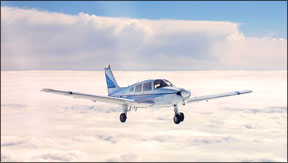
I love clouds; I always have, even as a child. When I learned to fly, I came to understand what they could tell me-as well as what they could do to me. Then, as I earned the thin suit of armor we call an instrument rating, I could not only look upon clouds from my new perspective, I could get up close and personal with them. Soon, I learned getting above them offered the best of many worlds, including greater visibility, better weather, a smoother ride and more advance notice of challenging weather ahead. But I also learned getting and staying on top of a cloud deck can put you someplace youd rather not be, even with an instrument rating.

Key Takeaways:
- Flying above cloud decks offers significant operational advantages for pilots, including improved visibility, smoother air, avoiding hazardous weather and icing, and utilizing favorable winds.
- However, this practice carries inherent risks, such as getting trapped above a solid cloud deck due to mechanical failure, adverse weather development below, or challenging terrain.
- Safe "on top" operations require comprehensive preflight weather briefings, continuous in-flight monitoring (PIREPs, Flight Watch), a solid understanding of cloud dynamics (e.g., rapid upward growth), and robust contingency plans for potential problems.
Key takeaways sponsored by Aviator Pro | Start Your Training ->
See a mistake? Contact us.

