











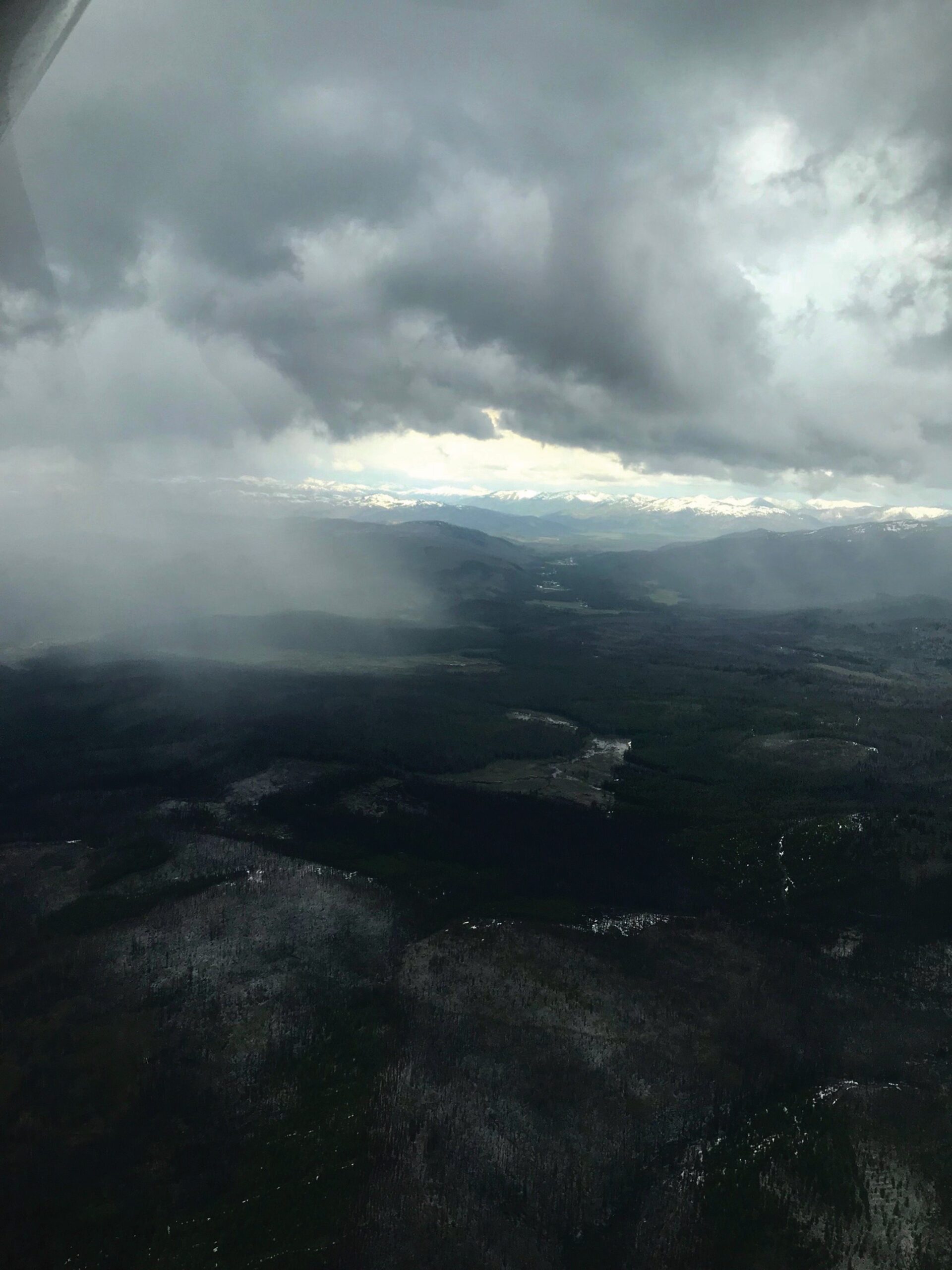


In my view, there are four basic categories of aviation weather threats: low clouds and reduced visibility; turbulence and low-level wind shear; airframe ice; and thunderstorms (which may contain the three other hazards in one nasty package). When evaluating weather for a planned flight, I look at observations and forecasts with each of these specific hazards in mind: what is are the chances I’ll encounter each threat and how bad will each be? How close to (or beyond) the limitations of the regulations, my capabilities and the airplane’s performance would I be if I attempt the flight?
Just as important, what can I do to reduce my exposure to the threat? Is it within my capabilities, or should I avoid it altogether? I’m not just looking at the weather briefing results; I’m quantifying each report and measuring each observation and forecast against objective go/no-go criteria. While developing a presentation on this overall topic, I looked for reports of weather-related aircraft accidents in my local area to use as examples. As I narrowed my search, I realized that these accidents contain some common threads. Recognizing the things these accidents share better enable you to make an objective go/no-go decision.

