











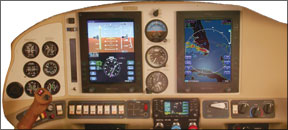
In March, the National Transportation Safety Board (NTSB) released a brief statement stating the results of a study it conducted into the relative safety of general aviation airplanes equipped with glass-panel technologies. As we reported in our April issue, the NTSB concluded the last decades glass-cockpit revolution has not resulted in enhanced safety for the period and aircraft it studied. It came to such a conclusion, in part, because it found single-engine airplanes manufactured 288
Dissecting The NTSBs Glass-Panel Study
In March, the National Transportation Safety Board (NTSB) released a brief statement stating the results of a study it conducted into the relative safety of general aviation airplanes equipped with glass-panel technologies. As we reported in our April issue, the NTSB concluded the last decades glass-cockpit revolution has not resulted in enhanced safety for the period and aircraft it studied. It came to such a conclusion, in part, because it found single-engine airplanes manufactured between 2002 and 2006 and equipped with glass cockpits had a higher fatal accident rate than similar aircraft with conventional instruments. At that time, very little else was known about the study, including the specific aircraft models involved, its methodology and other metrics, raising many questions. Since our April issue was finalized, the NTSB has released the full 91-page study results, including a separate seven-page letter detailing a series of recommendations to the FAA. These documents may be retrieved from the NTSB Web site using links published in the box in the upper right corner of the opposite page.

Key Takeaways:
- The NTSB study found that single-engine general aviation aircraft manufactured between 2002-2008 and equipped with glass cockpits had a higher fatal accident rate than similar aircraft with conventional instruments.
- Surprisingly, pilots involved in glass-cockpit aircraft accidents were found to have higher levels of pilot certification and more total flight experience compared to those in conventional aircraft accidents.
- The NTSB highlighted a lack of specific FAA training requirements and assessment standards for pilots operating glass-cockpit equipped piston-powered aircraft, leading to varied training experiences.
- Industry organizations like GAMA and AOPA criticized the NTSB study's methodology, arguing it didn't compare "apples-to-apples" and failed to consider different mission profiles or existing industry efforts addressing safety.
Key takeaways sponsored by Aviator Pro | Start Your Training ->
See a mistake? Contact us.

