













Register

Say More With Less

People are naturally social creatures, eager to converse with their own kind. While friendly chit-chat is great during quality time with the friends and family, when you key up a radio frequency, its time to pare back the language and cut to the chase.

Gemini Sparkle

Key Takeaways:

  • Pilots flying IFR must use concise and professional radio communication to ensure flight safety and efficient air traffic management, as ATC depends on brief, accurate transmissions for critical flight information.
  • Specific flight phases require precise radio calls, including departure (current/assigned altitude, heading), descent (current/assigned altitude, vital for ATC due to varying arrival strip details), and missed approaches (procedure execution, altitude, fix/heading).
  • Adopting succinct phraseology allows ATC to quickly verify compliance, reconcile radar data, and manage traffic effectively, underscoring that efficient communication is a mandatory skill for IFR operations.
See a mistake? Contact us.

People are naturally social creatures, eager to converse with their own kind. While friendly chit-chat is great during quality time with the friends and family, when you key up a radio frequency, it’s time to pare back the language and cut to the chase.

Student pilots are taught to aviate, navigate and communicate—in that order. But once you start working on your instrument rating, your communications must be kicked up a notch. If you want to fly IFR, getting comfortable on the radio is not optional. ATC is expecting to hear certain things from you during different phases of your flight. Why are they important and what is the best way to say them?


Ready to Sell Your Aircraft?

List your airplane on AircraftForSale.com and reach qualified buyers.

List Your Aircraft
AircraftForSale Logo | FLYING Logo
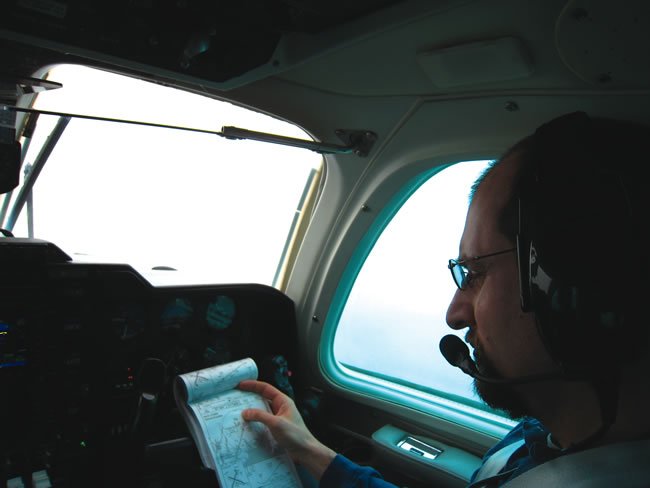
Pilot in aircraft
Sign-up for newsletters & special offers!

Get the latest stories & special offers delivered directly to your inbox.

SUBSCRIBE