













Register

Flying by Vertical Angles

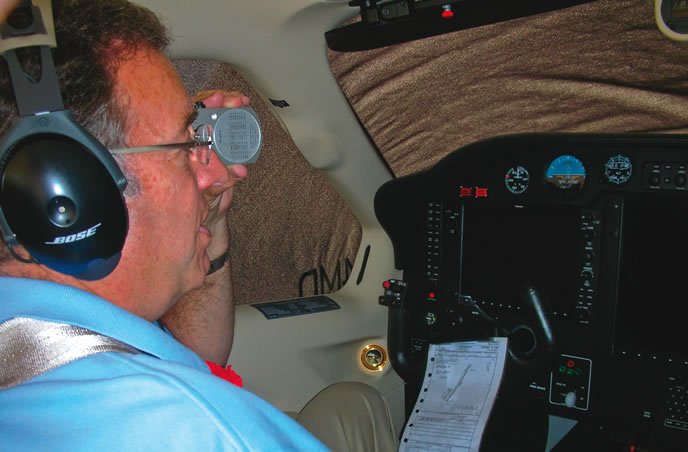
Aircraft performance parameters are typically expressed as measurements of speed (indicated and true), altitude and vertical speed. Often overlooked is angle as an expression of performance. Angles are a terrific tool for estimating glide and approach performance, avoiding clouds and storms and avoiding obstacles and terrain on takeoff. There are two related subjects: how to measure angles while in flight, and how measured angles can solve in-flight problems. Lets start with measurement.

Gemini Sparkle

Key Takeaways:

  • Angles are an underutilized but crucial performance metric for pilots, offering significant benefits for estimating glide, avoiding obstacles/weather, and planning approaches.
  • Accurate measurement of these critical small angles (1-15 degrees) requires specialized tools like clinometers for vertical angles and handheld sighting compasses for horizontal angles.
  • Pilots can calculate and apply these measured angles to critical flight scenarios, including determining engine-out glide range, ensuring terrain clearance on takeoff, planning optimal descents, and making informed decisions about cloud and storm avoidance.
See a mistake? Contact us.

Aircraft performance parameters are typically expressed as measurements of speed (indicated and true), altitude and vertical speed. Often overlooked is angle as an expression of performance. Angles are a terrific tool for estimating glide and approach performance, avoiding clouds and storms and avoiding obstacles and terrain on takeoff.

There are two related subjects: how to measure angles while in flight, and how measured angles can solve in-flight problems. Let’s start with measurement.


Ready to Sell Your Aircraft?

List your airplane on AircraftForSale.com and reach qualified buyers.

List Your Aircraft
AircraftForSale Logo | FLYING Logo
Pilot in aircraft
Sign-up for newsletters & special offers!

Get the latest stories & special offers delivered directly to your inbox.

SUBSCRIBE