













Register

When Low Fuel Becomes No Fuel

One of the most famous and tragic of fuel-exhaustion crashes occurred on Jan. 25, 1990. Upon arrival in the New York area after a flight from Bogot, the 707 was placed into a hold for an hour and 27 minutes due to fog at JFK. The pilots were not native English speakers and never used the actual word emergency in describing their fuel situation to ATC, using only minimum fuel instead and never stating their fuel state in minutes. During that time, they burned away all the fuel they needed to make Boston, their alternate.

Gemini Sparkle

Key Takeaways:

  • A 1990 Avianca crash resulting in 73 deaths was attributed to fuel exhaustion, exacerbated by language barriers and pilots not explicitly communicating an "emergency" fuel state to ATC.
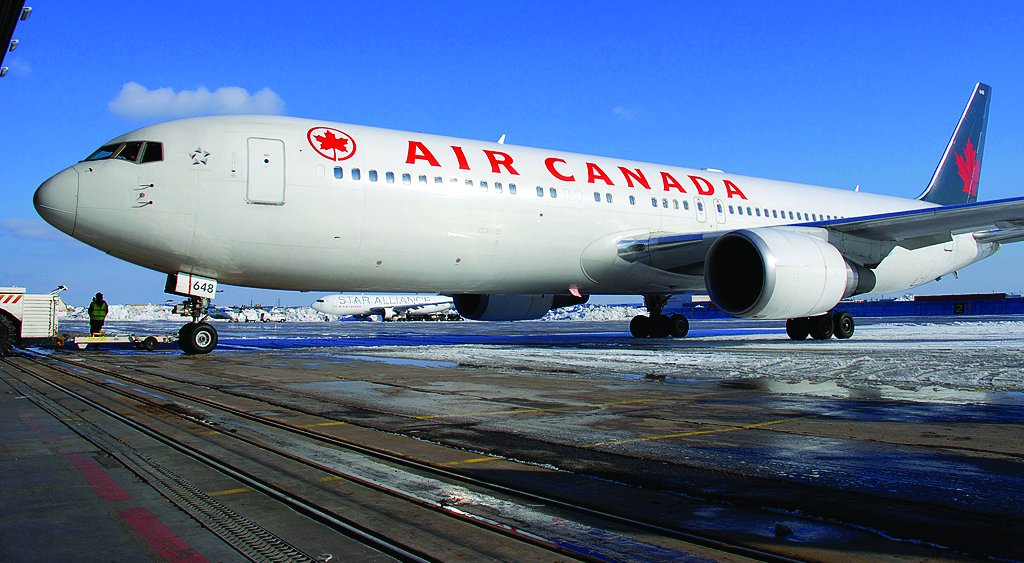
  • The 1983 Air Canada "Gimli Glider" incident saw a Boeing 767 run out of fuel mid-flight due to a mix-up between metric and imperial fuel measurements and an inoperable fuel computer.
  • Despite total engine failure, the Air Canada flight was safely landed by an experienced glider pilot who deadsticked the 767 to an old airbase, preventing fatalities.
See a mistake? Contact us.

One of the most famous and tragic of fuel-exhaustion crashes occurred on Jan. 25, 1990. Upon arrival in the New York area after a flight from Bogot, the 707 was placed into a hold for an hour and 27 minutes due to fog at JFK. The pilots were not native English speakers and never used the actual word “emergency” in describing their fuel situation to ATC, using only “minimum fuel” instead and never stating their fuel state in minutes. During that time, they burned away all the fuel they needed to make Boston, their alternate.

Photo by Chris Geraghty

Ready to Sell Your Aircraft?

List your airplane on AircraftForSale.com and reach qualified buyers.

List Your Aircraft
AircraftForSale Logo | FLYING Logo
Pilot in aircraft
Sign-up for newsletters & special offers!

Get the latest stories & special offers delivered directly to your inbox.

SUBSCRIBE
