











Aerodynamics 101 teaches us about angle of attack and that all wings have a critical one at which they will stall. Afterward, were treated to a discussion about accelerated stalls and how the airplane will enthusiastically stop flying at an airspeed sometimes well above its straight-ahead stalling speed. Were also taught about stall-warning systems and how they are designed to alert us when were approaching that critical angle of attack. 288
Flying AOA
Aerodynamics 101 teaches us about angle of attack and that all wings have a critical one at which they will stall. Afterward, were treated to a discussion about accelerated stalls and how the airplane will enthusiastically stop flying at an airspeed sometimes well above its straight-ahead stalling speed. Were also taught about stall-warning systems and how they are designed to alert us when were approaching that critical angle of attack.

Key Takeaways:
- Conventional stall warning systems and airspeed indicators are inadequate for safe and optimal flight, particularly when operating near the critical angle of attack, as they provide delayed or unreliable information due to varying flight conditions.
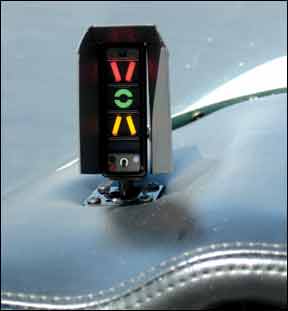
- Angle of Attack (AoA) indicators offer a critical safety improvement by continuously monitoring the wing's proximity to its constant critical AoA, providing pilots with reliable, real-time information that airspeed cannot.
- Despite the FAA's long-standing recognition of their value, only recent advancements in affordable electronics have made AoA indicators practical for general aviation, addressing a significant cause of fatal stall/loss of control accidents.
Key takeaways sponsored by Aviator Pro | Start Your Training ->
See a mistake? Contact us.

