











I spent a weekend recently helping prepare a pilot for his commercial pilot practical test. He is a long-time instrument pilot and highly experienced in his turbocharged Beech Bonanza. One of the hardest parts of his training was getting him to bank beyond a standard-rate turn-everything hed practiced for years involved making small control inputs, and he needed to regain comfort with the more dynamic maneuvering required for the test. 288
Real-World Steep Turns
I spent a weekend recently helping prepare a pilot for his commercial pilot practical test. He is a long-time instrument pilot and highly experienced in his turbocharged Beech Bonanza. One of the hardest parts of his training was getting him to bank beyond a standard-rate turn-everything hed practiced for years involved making small control inputs, and he needed to regain comfort with the more dynamic maneuvering required for the test. As we practiced steep turns, getting closer and closer to halving the minimum practical test tolerances, the question came up: Besides demonstration of a "circus trick" in order to earn his commercial certificate, what is the purpose of performing steep turns? Its a good question many students and rated pilots ask, and one deserving a detailed response.
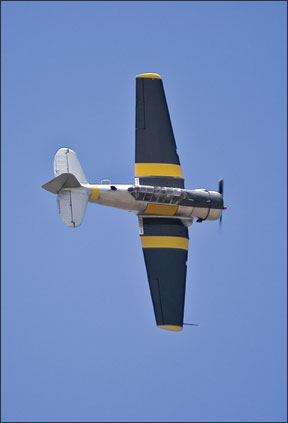

Key Takeaways:
- Steep turns are not merely a "circus trick" for pilot tests but teach critical aircraft control and hazard recognition skills for real-world flying.
- Mastering steep turns helps pilots understand and avoid dangers such as accelerated and cross-controlled stalls, and the rapid descent of an incipient graveyard spiral, especially pertinent in traffic patterns and circling approaches.
- Practicing steep turns enhances a pilot's instrument scan, control sensitivity, and overall stick-and-rudder proficiency, which are vital for handling emergencies like partial-panel flight or an engine failure.
Key takeaways sponsored by Aviator Pro | Start Your Training ->
See a mistake? Contact us.

