













Register

Against the Flow

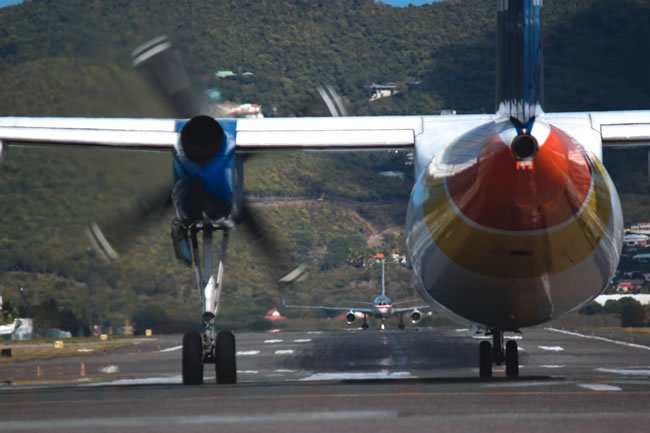
Change is certainly a constant in aviation. Beyond aircraft technological advances, the rules that govern how air traffic control handles those aircraft are also frequently adjusted. One area in particular thats seen significant discussion and change in the past three years is opposite direction operations (ODO). The official Pilot/Controller Glossary defines ODO: Aircraft are operating in opposite directions when: a. They are following the same track in reciprocal directions; or b. Their tracks are parallel and the aircraft are flying in reciprocal directions; or c. Their tracks intersect at an angle of more than 135 degrees.

Gemini Sparkle

Key Takeaways:

  • Before 2012, Opposite Direction Operations (ODOs), involving aircraft converging head-on, were flexibly managed by air traffic controllers using their judgment to accommodate varied runway requests and mixed traffic.
  • A significant communication breakdown and subsequent close-call incidents at Reagan National Airport in July 2012 prompted the FAA to suspend all ODOs at major airports nationwide.
  • The FAA later reinstated ODOs under new, more stringent procedures, mandating explicit traffic calls, designated cutoff distances for aircraft, and strict, recorded coordination protocols.
  • These revised regulations, while enhancing safety and clarity, have reduced the operational flexibility and convenience previously available to controllers and pilots for managing air traffic.
See a mistake? Contact us.

Change is certainly a constant in aviation. Beyond aircraft technological advances, the rules that govern how air traffic control handles those aircraft are also frequently adjusted.

One area in particular that’s seen significant discussion and change in the past three years is opposite direction operations (ODO). The official Pilot/Controller Glossary defines ODO: “Aircraft are operating in opposite directions when: a. They are following the same track in reciprocal directions; or b. Their tracks are parallel and the aircraft are flying in reciprocal directions; or c. Their tracks intersect at an angle of more than 135 degrees.”


Ready to Sell Your Aircraft?

List your airplane on AircraftForSale.com and reach qualified buyers.

List Your Aircraft
AircraftForSale Logo | FLYING Logo
Pilot in aircraft
Sign-up for newsletters & special offers!

Get the latest stories & special offers delivered directly to your inbox.

SUBSCRIBE