













Register

Autumn Changes

Fall conjures memories of bright blue skies, cool mornings and generally good daytime flying. But in aviation, looks can be deceiving. New air masses are on the move, the jet stream begins to flex its muscle over much of the United States, fronts are marching southward, and theres likely a tropical storm in the Caribbean or the Gulf. How does this affect your flying and how can you avoid an unplanned turn of events?

Gemini Sparkle

Key Takeaways:

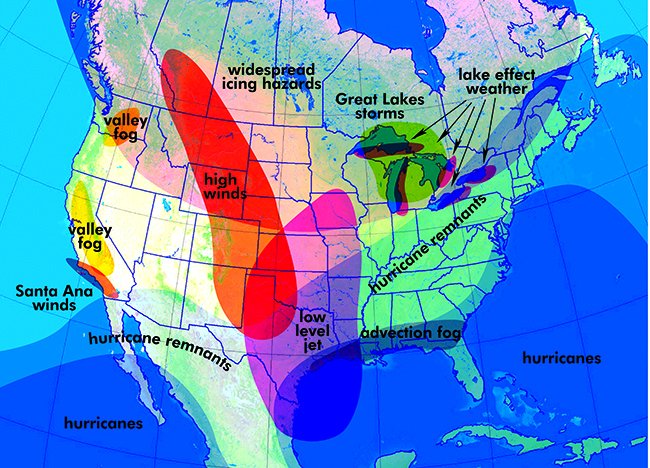
  • Fall weather can be deceptively hazardous for pilots, with various types of fog (valley, advection, radiation) becoming prominent and posing significant IMC risks, especially in regions like California's valleys and the Gulf Coast.
  • Increased threats come from strong winds, including high winds associated with deep surface lows, localized Santa Ana winds, and low-level jets causing wind shear, which can also generate dust storms or fuel wildfires.
  • Pilots must also prepare for the widespread impacts of hurricane remnants (heavy rain, thunderstorms, and icing hundreds of miles inland) and increased airframe icing risks due to lower freezing levels and the complexities of supercooled water, alongside rapidly developing frontal systems in areas like the Great Lakes.
See a mistake? Contact us.

Fall conjures memories of bright blue skies, cool mornings and generally good daytime flying. But in aviation, looks can be deceiving. New air masses are on the move, the jet stream begins to flex its muscle over much of the United States, fronts are marching southward, and there’s likely a tropical storm in the Caribbean or the Gulf. How does this affect your flying and how can you avoid an unplanned turn of events?

FAT Is for Fog

Ready to Sell Your Aircraft?

List your airplane on AircraftForSale.com and reach qualified buyers.

List Your Aircraft
AircraftForSale Logo | FLYING Logo
Pilot in aircraft
Sign-up for newsletters & special offers!

Get the latest stories & special offers delivered directly to your inbox.

SUBSCRIBE
